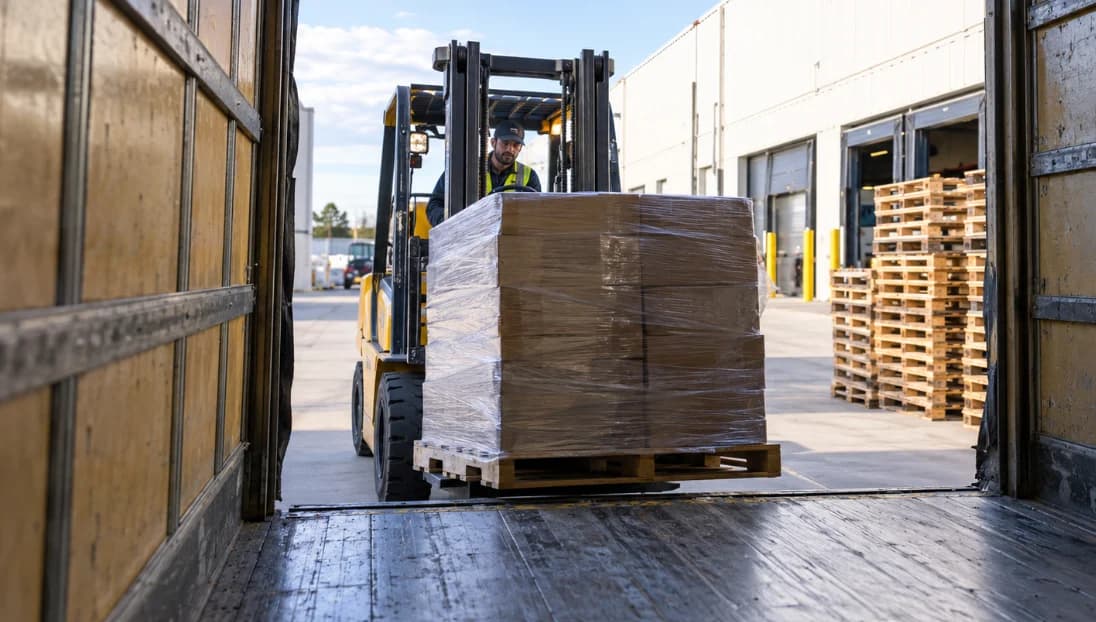
For a Denver warehouse relocation, plan pallet removal alongside the move-out schedule. First identify which pallets will go to the new facility, which can be sold or recycled, and which need a different return process. If pallets keep accumulating during the transition, a drop trailer gives your team a designated place to load them; a one-time pickup may suit a temporary surplus near the end of the move. At The Pallet Squad, we handle pallet pickup and drop trailer service in Denver, and the right fit depends on your volume and timing.
Start with a pallet count and a clear decision
Before moving pallets, get a rough count of what’s on-site and where it sits. Separate pallets your team plans to keep for ongoing operations from excess pallets that can leave the building. Include pallets at receiving, in storage, and outside the facility so the move plan reflects the full inventory.
Then decide how each group should be handled. Some pallets may be useful at the new location. Reusable surplus may qualify for purchase, while unwanted or damaged wood pallets may need pickup and recycling. Keep pallets with unclear ownership or special return requirements out of the removal area until someone checks them.
This early sort prevents a common move-out snag: loading pallets onto a truck for the new facility, then discovering the same space is needed for pallets scheduled for removal. Mark the groups clearly and share the plan with the people handling receiving, shipping, and the move.
Choose pallet removal for warehouse relocation based on timing
A warehouse move creates two kinds of pallet volume. There’s the surplus already on-site, and there are pallets that continue arriving as the facility winds down. Those flows may call for different removal plans.
A one-time pickup can fit a defined surplus when the warehouse can stage pallets in one approved area until collection. It may also suit the last remaining pallets after the operation stops receiving freight.
If pallets keep coming in throughout the move-out period, recurring removal or a drop trailer may fit better. With drop trailer service, we place an empty enclosed 53-foot trailer at the facility. Your team loads unwanted wood pallets as they accumulate, and we coordinate pickup and replacement according to the service arrangement. The trailer holds up to 600 pallets, depending on their size, mix, and how they’re loaded.
Our Denver pallet service page lists pickup and drop trailer options for local businesses. A quote can confirm which setup fits your location and expected volume.
Work backward from the move-out date
Don’t wait until the last day to decide what happens to the pallets. Build removal into the move calendar, alongside inventory transfers and the final shipping schedule.
Start by estimating how many pallets the warehouse will generate each week before the move. Consider whether receiving will taper off gradually or continue at a normal pace until a specific date. A steady stream of incoming freight may build a new surplus even after the initial pallet count, especially if the team is already occupied with relocation tasks.
Next, identify when the removal area needs to be clear. If the moving crew needs access to a dock or staging zone, schedule pallet removal before that space becomes part of the move. Leave time to review the final count and address any pallets that don’t belong in the recycling load.
The pickup date and service availability need confirmation with the provider. Share the move timeline early so the pickup plan can account for the facility’s operating schedule.
Make room for the trailer and the move
A drop trailer needs a practical place to sit. Before arranging one, walk the yard during a busy shift and consider how the trailer will fit alongside active doors, equipment routes, and other staged freight. Your staff also needs a workable path to move pallets from where they leave use to the trailer.
Think through how that arrangement will change as the move progresses. A trailer location that works during normal operations could block a moving truck or a temporary loading area later. If the yard layout will change, agree on a plan for the trailer before the relocation begins.
OSHA’s warehousing guidance recommends keeping adequate clearances in aisles, at loading docks, and along passages used for material handling. Use your facility’s safety procedures when deciding where to stage pallets and position equipment.
Give each shift the same loading instructions
Relocation projects often involve several teams working on different schedules. Make the pallet process easy to follow across shifts. Show employees where to put approved pallets, which pallets should stay in inventory, and what to do when ownership or condition is unclear.
If you use a drop trailer, identify the kinds of wood pallets that belong in it and who can answer questions. Keep the trailer’s loading area clear enough for the equipment and traffic that use it. A short written instruction at the collection point can keep the process consistent while managers focus on other parts of the move.
For a one-time pickup, use the same approach in the staging area. Keep removal pallets separate from anything the moving crew will transport. Labeling the areas or using clear floor markings can reduce mix-ups when several work zones are active.
Keep the new facility’s pallet needs separate
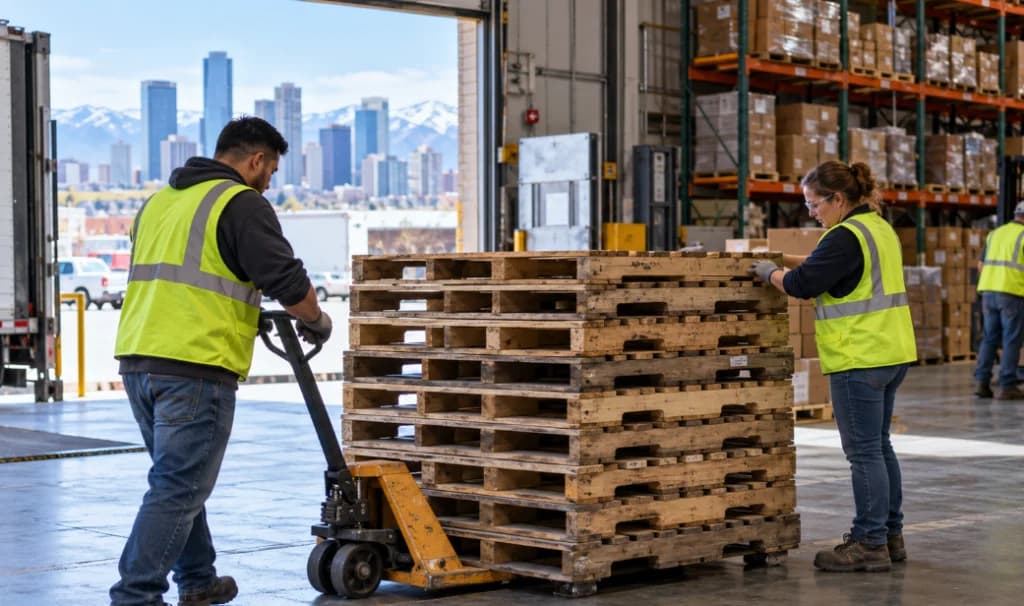
A relocation can create an opportunity to reset how pallets move through the operation. But don’t treat every pallet on the old site as surplus. Confirm which sizes and conditions the new facility needs for its equipment and customers, then reserve those pallets for the move.
If the new warehouse will need a supply of pallets on opening day, plan that order separately from the removal schedule. The Pallet Squad supplies wood pallets nationwide and also handles used pallet pickup and drop trailer service. Keeping the incoming supply plan and outgoing pallet removal plan distinct makes each schedule easier to confirm.
For removal planning, our pallet pickup service covers one-time and recurring options. Facilities with larger, ongoing pallet volume can review drop trailer pallet recycling to understand how the on-site trailer arrangement works.
What to share when requesting service
When you contact us, include the Denver facility address, an approximate pallet count, common pallet sizes, general condition, and the dates when the area needs to be cleared. Photos can give us additional context about the pallet mix and staging setup.
Also let us know whether the pallets will arrive steadily during the relocation or whether you have one existing pile to remove. That distinction helps us discuss a one-time pickup, recurring removal, or a drop trailer based on the actual flow at the site.
At The Pallet Squad, we coordinate pallet pickup and drop trailer service for businesses in Denver and nationwide. Share your estimated volume and move-out timeline through our quote form so we can review the removal options for your facility.
A good relocation plan gives every pallet a clear next step: move it, keep it in inventory, or send it for pickup and recycling. Decide those destinations early, then schedule removal around the space and timing your move requires.