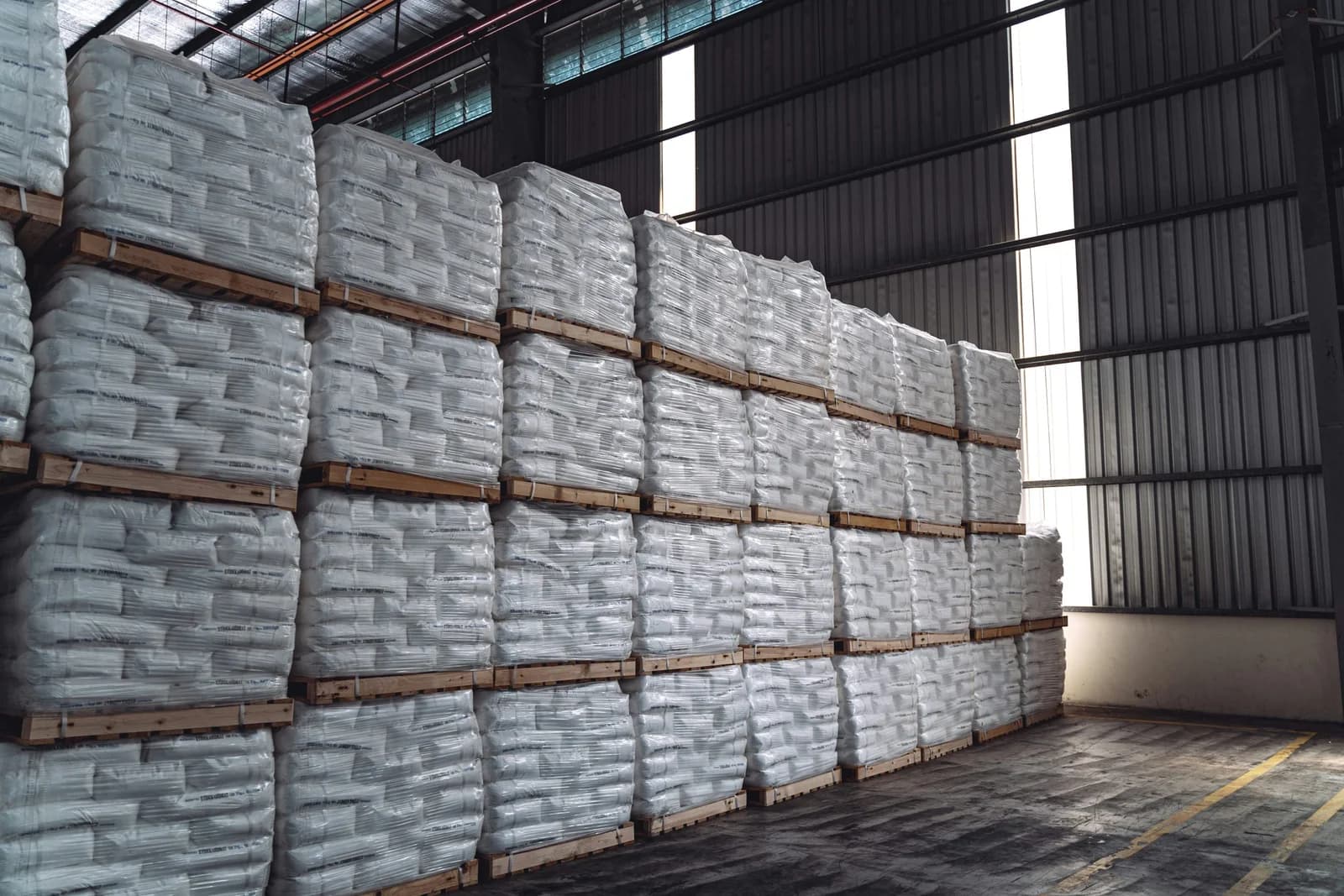
For many supply chain and warehouse operations, managing pallet inventories remains an afterthought. But as costs rise and operations scale, those “just pallets” quickly turn into a major asset category that can either drive efficiency or drain profits.
From physical audits to tech-driven tracking, this guide breaks down the best practices for managing your pallet inventory so you can stay in control, reduce loss, and improve overall supply chain performance.
Why Pallet Inventory Management Matters More Than You Think
Every pallet that goes missing or sits idle represents wasted money, space, and operational potential. And with large companies cycling through thousands, sometimes tens of thousands, of pallets each month, the impact adds up fast.
📊 Consider This:
- A new wooden pallet costs between $12–$18
- Losing 1,000 pallets per year = $15,000+ in avoidable costs
- Idle pallets take up valuable floor or racking space
- Untracked pallets often delay shipments or confuse workflows
1. Conduct Regular Physical Counts
Just like products or raw materials, pallets need to be physically counted on a scheduled basis. A structured approach to counting helps ensure accurate reporting, reduces shrinkage, and identifies bottlenecks in the system.
Best Practices:
- Set a cycle count schedule: Weekly or bi-weekly counts by zone
- Standardize how pallets are counted: Full stacks? Nested? Broken pallets separated?
- Designate responsible staff: Assign specific team members to track and verify
- Reconcile data immediately: Compare against software or manual logs right away
Quick Tip: Rotate count responsibilities between teams to avoid pattern blind spots or process fatigue.
2. Use Software Solutions to Track Movement and Status
Manual spreadsheets just don’t cut it anymore, especially for operations managing hundreds or thousands of pallet transactions per week. Software tools allow for real-time tracking, audit trails, and inventory optimization.
Features to Look For:
- Inbound/outbound tracking linked to shipments or PO numbers
- RFID or barcode scanning for pallet ID and movement
- Status tagging (e.g., good, repair, damaged, in-use, idle)
- Geolocation tagging for multi-site operations
Popular Tools: Pallet inventory modules can be found in WMS platforms like NetSuite, SAP, Fishbowl, or standalone pallet management systems.
Bonus Insight: Companies using digital tracking systems report 15–30% reduction in pallet loss within the first year.
3. Reduce Idle and Unused Pallet Accumulation
Idle pallets might not be “lost,” but they’re not adding value either. Every stack of pallets sitting unused in a corner is tying up space that could otherwise support operations or revenue-generating activities.
How to Minimize Idle Inventory:
- Implement FIFO rotation (first in, first out) for pallet use
- Create a return and reuse program with vendors and customers
- Work with a pallet logistics provider (like The Pallet Squad) for pick up, repair, and redistribution
- Set thresholds for idle inventory and trigger reallocation or recycling when exceeded
Real-World Fix: One regional DC reclaimed 1,200 sq. ft. of floor space by reallocating idle pallets on a monthly cycle.
4. Improve Communication Across Departments and Sites
One of the most overlooked aspects of managing pallet inventories is internal miscommunication. When shipping, receiving, and procurement teams aren’t aligned, pallets get double-counted, misplaced, or underutilized.
To Streamline Communication:
- Use shared inventory dashboards updated daily or weekly
- Train staff on pallet tagging and movement protocols
- Establish ownership accountability for each stage of the pallet lifecycle
- Standardize reporting templates across all departments and locations
Collaboration Reminder: In larger organizations, a single miscommunication can result in entire truckloads of missing or delayed pallets.
5. Partner with a Pallet Logistics Provider
If you’re managing multiple locations or high pallet turnover, working with a professional pallet logistics provider can take the guesswork out of inventory management.
At The Pallet Squad, we help clients:
- Track inbound and outbound pallets by facility
- Provide replenishment alerts
- Offer recycling, repair, and custom pallet services
- Reduce shrinkage with professional oversight
🤝 Strategic Move: Outsourcing pallet logistics can reduce internal workload and give you access to scalable expertise.
Conclusion: Pallet Inventory is More Than a Line Item—It’s a Supply Chain Lever
Managing pallet inventories isn’t just about avoiding loss, but about increasing visibility, efficiency, and space utilization across your operation. Whether you’re overseeing one warehouse or a dozen, tightening your pallet tracking processes can lead to fewer disruptions, more accurate data, and better bottom-line results.
Ready to Take Control of Your Pallet Inventory?
Let The Pallet Squad help you streamline pallet sourcing, tracking, and recovery across your supply chain. We offer smart pallet solutions backed by national coverage, flexible programs, and a hands-on logistics team ready to help.