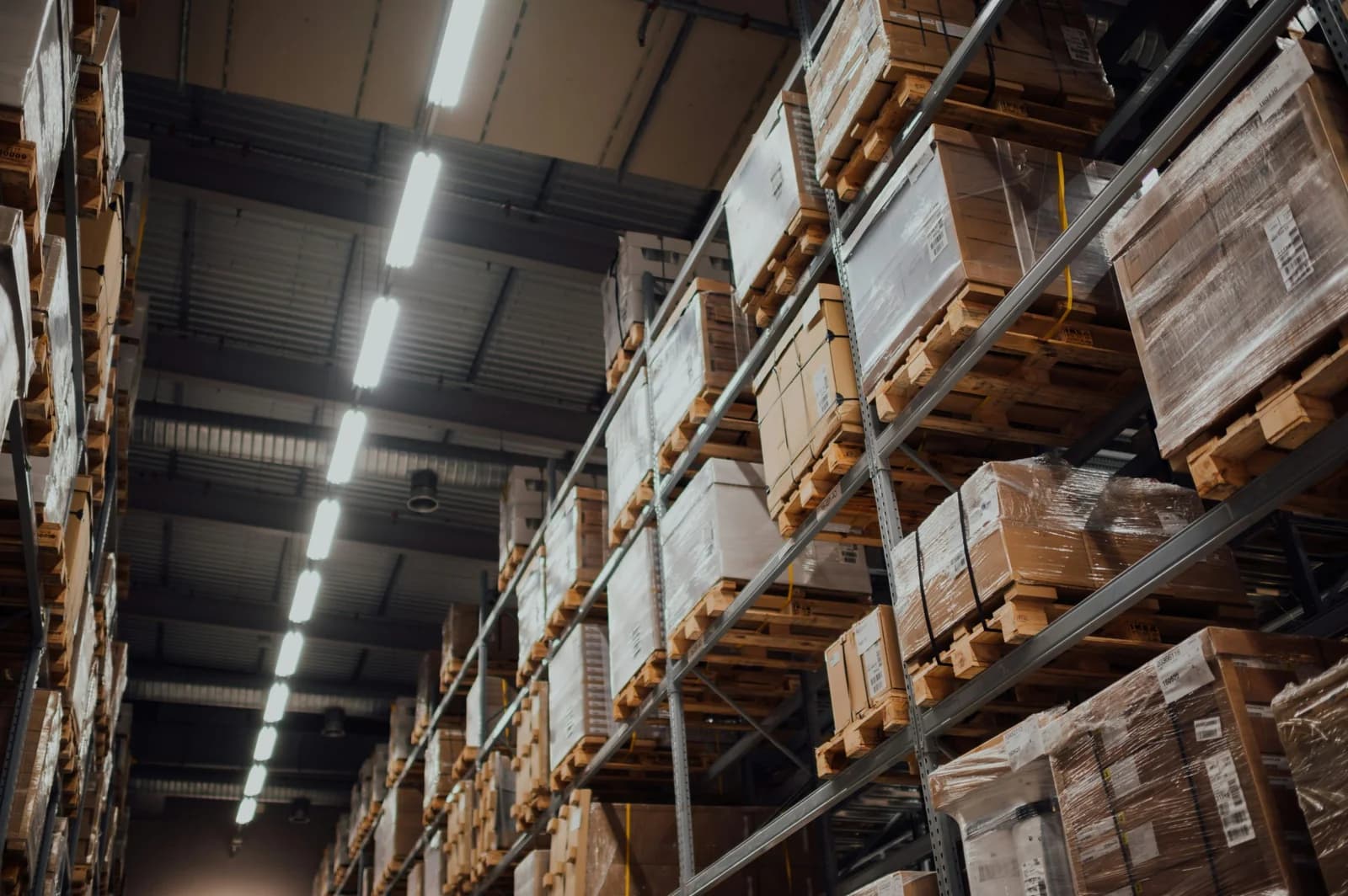
Third-party logistics (3PL) warehouses operate in one of the most complex pallet environments in the supply chain. Unlike single-brand distribution centers, 3PL facilities manage freight for multiple customers, each with different pallet specs, shipping lanes, load weights, compliance requirements, and delivery expectations.
Without a structured pallet strategy, that complexity quickly turns into confusion:
- Mixed pallet grades on the dock
- Shortages for one account, while others have a surplus
- Inconsistent billing for pallet costs
- Yard congestion from returned pallets
- Emergency pallet orders during peak cycles
That’s why pallets for 3PL warehouses require more than basic purchasing. They require a defined pallet program that supports flexibility, consistency, and cost control across diverse customer accounts.
This guide explains how 3PLs can build pallet programs that handle mixed customer requirements without operational chaos.
Why Pallet Management Is Harder in 3PL Warehouses
3PL facilities face pallet challenges that traditional warehouses don’t:
1. Multiple pallet specifications
One customer may require new pallets. Another may accept recycled Grade A. A third may ship export loads requiring heat-treated pallets.
2. Different freight profiles
- Heavy industrial parts
- Consumer packaged goods
- Food and beverage loads
- Retail replenishment shipments
Each freight type places different stress on pallets.
3. High inbound and outbound variability
3PL warehouses frequently receive goods on one pallet type and must ship them out on another.
4. Billing complexity
Pallet costs may be:
- absorbed into contracts
- billed back to clients
- managed as a pass-through expense
Without structure, pallet decisions create margin leakage.
The Foundation: Standardize What You Can
The first step in managing pallets for 3PL warehouses is to reduce unnecessary variation.
Even when customers have different needs, 3PLs can standardize:
- Core pallet sizes (e.g., 48×40 for domestic shipments)
- Approved pallet grades for each service tier
- Minimum strength requirements
- Inspection and rejection criteria
- Receiving protocols for inbound pallets
By defining a baseline standard, operations teams reduce confusion and prevent mixed-quality loads from circulating through the warehouse.
Standardization simplifies training, improves safety, and stabilizes supply.
Segment Pallet Programs by Customer Type
Rather than treating every pallet order as a one-off request, high-performing 3PLs segment their pallet programs.
Tier 1: Standard Distribution Clients
- Recycled Grade A or Grade B pallets
- High-volume outbound shipping
- Focus on cost efficiency and reliable replenishment
Tier 2: High-Value or Sensitive Freight
- Reinforced pallets
- Stricter inspection standards
- Lower tolerance for damage risk
Tier 3: Export or Compliance-Based Clients
- Heat-treated pallets
- Verified markings
- Documented compliance procedures
Segmenting accounts allows the 3PL to control pallet specs without constantly reinventing the process.
Implement Centralized Pallet Inventory Tracking
In multi-client 3PL warehouses, pallet inventory easily becomes fragmented.
Common problems include:
- Pallets allocated to one account are being used for another
- Confusion about who “owns” certain pallets
- Inaccurate counts across shifts
- Overstocking one type while running short on another
A centralized pallet tracking approach improves control:
- Set minimum and maximum pallet levels
- Assign pallet categories by client or grade
- Track inbound vs outbound pallet flow
- Review weekly usage patterns
Even basic tracking systems reduce emergency purchasing and improve billing accuracy.
Use Scheduled Replenishment to Prevent Shortages
Because 3PL volume fluctuates, relying solely on reactive pallet orders creates instability.
Scheduled pallet delivery programs help by:
- Maintaining buffer inventory
- Reducing rush orders
- Improving dock scheduling
- Stabilizing freight costs
- Providing predictable budgeting
For high-volume 3PL operations, combining scheduled delivery with emergency backup support creates operational security.
Manage Inbound Pallet Variability
Inbound freight arriving on inconsistent pallets is one of the biggest challenges for 3PLs.
Strategies to manage it:
- Inspect inbound pallets immediately
- Separate reusable, repairable, and scrap pallets
- Define which inbound pallets can be reused for outbound shipments
- Establish clear rejection standards
This prevents low-grade or damaged pallets from contaminating outbound loads and protects service levels.
Integrate Pickup and Recycling Programs
3PL facilities generate large volumes of broken or surplus pallets. Without structured removal, yards become congested quickly.
A formal pickup and recycling program:
- Removes scrap pallets consistently
- Reduces disposal costs
- Frees up yard space
- Extends pallet lifecycle through repair
- Supports sustainability reporting
For multi-client environments, scheduled pickup prevents chaos before it starts.
Align Pallet Programs With Billing Models
Because pallet costs often affect 3PL margins, billing clarity matters.
Common approaches include:
- Built-in pallet cost within client pricing
- Separate pallet line-item billing
- Pallet management fees
- Pallet exchange programs
The key is transparency. A structured pallet program allows 3PLs to:
- Accurately track pallet usage by account
- Prevent cross-account subsidizing
- Protect profit margins
Without structure, pallet costs quietly erode revenue.
Support Multi-Location 3PL Networks
Many 3PL companies operate multiple warehouses across different regions. Inconsistent pallet programs across facilities create:
- Uneven quality standards
- Price variability
- Confusion between client accounts
- Increased administrative work
Centralized pallet management across all facilities ensures:
- Standard specs
- Consistent grading
- Unified supplier relationships
- Better pricing leverage
- Reduced emergency transfers between sites
Consistency across locations is especially important for national 3PL providers.
Key Metrics 3PLs Should Track
To maintain control over pallets for 3PL warehouses, monitor:
- On-time pallet delivery performance
- Pallet damage rates
- Replacement frequency
- Pallet cost per outbound load
- Inventory variance between physical counts and system counts
- Pickup frequency and yard capacity
Tracking these KPIs helps prevent surprises and supports continuous improvement.
Managing pallets for 3PL warehouses isn’t about buying more inventory, it’s about building a structured program that balances flexibility with control.
A strong pallet program for 3PL operations includes:
- Standardized pallet specs
- Account segmentation
- Centralized inventory tracking
- Scheduled replenishment
- Structured pickup and recycling
- Clear billing alignment
When pallet management is organized and intentional, 3PL warehouses can handle mixed customer requirements without chaos, while protecting margins, improving efficiency, and maintaining reliable service levels.
Contact The Pallet Squad
If your 3PL warehouse needs a structured pallet program that supports mixed customer requirements, contact The Pallet Squad for consistent supply, delivery, pickup, and recycling solutions designed for high-volume, multi-client operations.