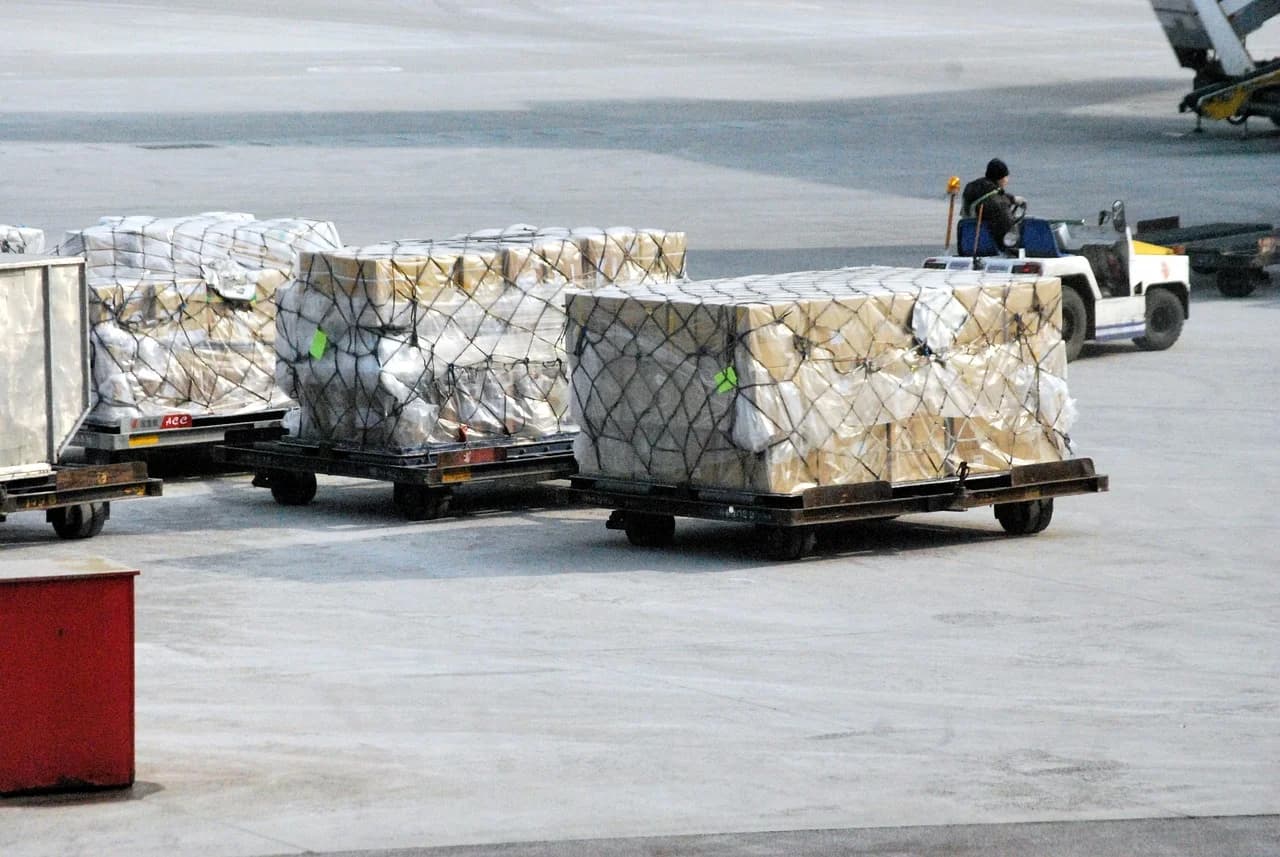
Pallet shrink rarely shows up as a dramatic event. It happens slowly. A few pallets don’t return from a customer site. A carrier drops a trailer and empties never come back. A yard stack gets mixed with scrap. Over time, thousands of dollars disappear, and no one can clearly explain where the loss occurred.
For high-volume operations, pallet loss prevention isn’t optional. It’s a cost-control strategy that directly impacts procurement budgets, warehouse efficiency, and sustainability goals.
If your company ships regularly to distributors, retailers, job sites, or cross-dock partners, pallets are constantly leaving your direct control. Without practical systems in place, shrink becomes “normal.” The goal of pallet loss prevention is simple: reduce disappearance across carriers and customer sites without disrupting operations.
This guide outlines practical, real-world controls that operations managers can implement immediately.
Why Pallet Loss Happens in the First Place
Before building prevention systems, it’s important to understand how pallets disappear.
Common causes include:
- No tracking after outbound shipment
- Customer sites not staging pallets for return
- Carriers mixing pallets between loads
- Yard disorganization and scrap contamination
- Unclear ownership between partners
- No retrieval program in place
- Infrequent inventory audits
Most pallet loss isn’t theft, it’s a lack of visibility and accountability.
The True Cost of Pallet Shrink
Pallet shrink impacts more than replacement costs.
Loss leads to:
- Increased new pallet purchasing
- More emergency orders
- Budget unpredictability
- Inventory shortages at key facilities
- Reduced sustainability performance
- Higher freight costs from last-minute replenishment
If you’re consistently buying more pallets than your shipment volume suggests you should need, loss is likely the reason.
7 Practical Pallet Loss Prevention Controls
1. Standardize Outbound Pallet Documentation
Many operations ship pallets out without documenting the pallet count attached to each load.
Implement a simple outbound control:
- Record pallet quantity on the bill of lading
- Note pallet type (new, recycled, heat-treated, etc.)
- Confirm count with driver at pickup
Even basic documentation improves accountability and provides reference points when investigating discrepancies.
2. Establish Clear Pallet Ownership Policies
Confusion over ownership is one of the biggest drivers of pallet loss.
Clarify:
- Are pallets exchange-based?
- Does the customer keep them?
- Are they expected to be returned?
- Who pays if they aren’t returned?
If expectations aren’t defined contractually or operationally, pallets are unlikely to come back.
3. Create Customer Return Agreements
For recurring shipments, pallet return expectations should be discussed upfront.
Strong return agreements include:
- Defined staging areas at customer sites
- Agreed pickup frequency
- Contact person responsible for the release
- Condition standards for return
The more predictable the process, the higher the recovery rate.
4. Implement a Structured Pallet Retrieval Program
One of the most effective pallet loss prevention strategies is a formal retrieval system.
A pallet retrieval program typically includes:
- Scheduled pickup routes
- Consolidated collection from multiple customer sites
- Sorting and grading upon return
- Repair and reintegration into inventory
Retrieval reduces shrink by turning passive losses into active recovery.
It also reduces:
- Yard clutter at customer facilities
- Disposal costs
- New pallet purchases
5. Improve Yard Organization at Your Own Facilities
Not all pallet loss happens off-site. Internal disorganization contributes to shrinkage.
Common internal causes:
- Usable pallets mixed with scrap
- Infrequent physical counts
- Stacks stored in remote areas
- No separation between grades
Basic yard controls include:
- Clearly marked pallet zones
- Segregated scrap vs reusable pallets
- Routine weekly visual inspections
- Controlled stacking limits
A clean yard makes discrepancies easier to detect.
6. Conduct Regular Pallet Inventory Audits
Without periodic audits, pallet loss goes unnoticed.
Implement:
- Monthly or quarterly physical counts
- Reconciliation against purchasing records
- Tracking of pallets shipped vs pallets returned
- Review of abnormal loss trends
Audits don’t need to be complicated, but they must be consistent.
When teams know counts are monitored, accountability improves naturally.
7. Track Loss by Carrier and Customer
Shrink often follows patterns.
If certain carriers or customer sites consistently fail to return pallets, tracking will reveal it.
Metrics to monitor:
- Return rate by customer
- Return rate by carrier
- Loss per shipment lane
- Recovery percentage from retrieval routes
Data-driven pallet loss prevention helps identify where additional controls are needed.
Advanced Controls for High-Volume Operations
For companies managing thousands of pallets across multiple sites, additional measures may be appropriate:
Barcode or RFID tagging
Helps track pallet movement between facilities and customer locations.
Centralized pallet management
Consolidates purchasing, tracking, and reporting under one system.
Standardized pallet programs across locations
Reduces confusion between facilities and prevents cross-site loss.
Dedicated pallet coordinators
Assign responsibility instead of leaving pallet management fragmented.
These controls are especially valuable in multi-location distribution networks.
Balancing Cost and Control
Not every pallet can or should be recovered. The goal of pallet loss prevention isn’t perfection, it’s reducing unnecessary shrink to a manageable level.
Strong pallet loss prevention programs aim to:
- Reduce replacement purchases
- Increase return rates
- Improve accountability
- Maintain consistent pallet availability
- Support sustainability initiatives
Even modest improvements in recovery percentage can translate into significant annual savings.
Pallet loss prevention isn’t about chasing every missing pallet; it’s about building practical controls that reduce disappearance across carriers and customer sites.
By implementing:
- Outbound documentation
- Clear ownership agreements
- Customer return policies
- Structured retrieval programs
- Yard organization standards
- Regular inventory audits
- Data-driven tracking
You transform pallets from an uncontrolled expense into a managed asset.
For operations teams shipping at scale, the difference between reactive replacement and proactive prevention is measurable in cost, efficiency, and supply stability.
Contact The Pallet Squad
If you’re looking to strengthen your pallet loss prevention strategy with structured retrieval, pickup, and recycling programs, contact The Pallet Squad to build a system that reduces shrink and stabilizes your pallet supply.