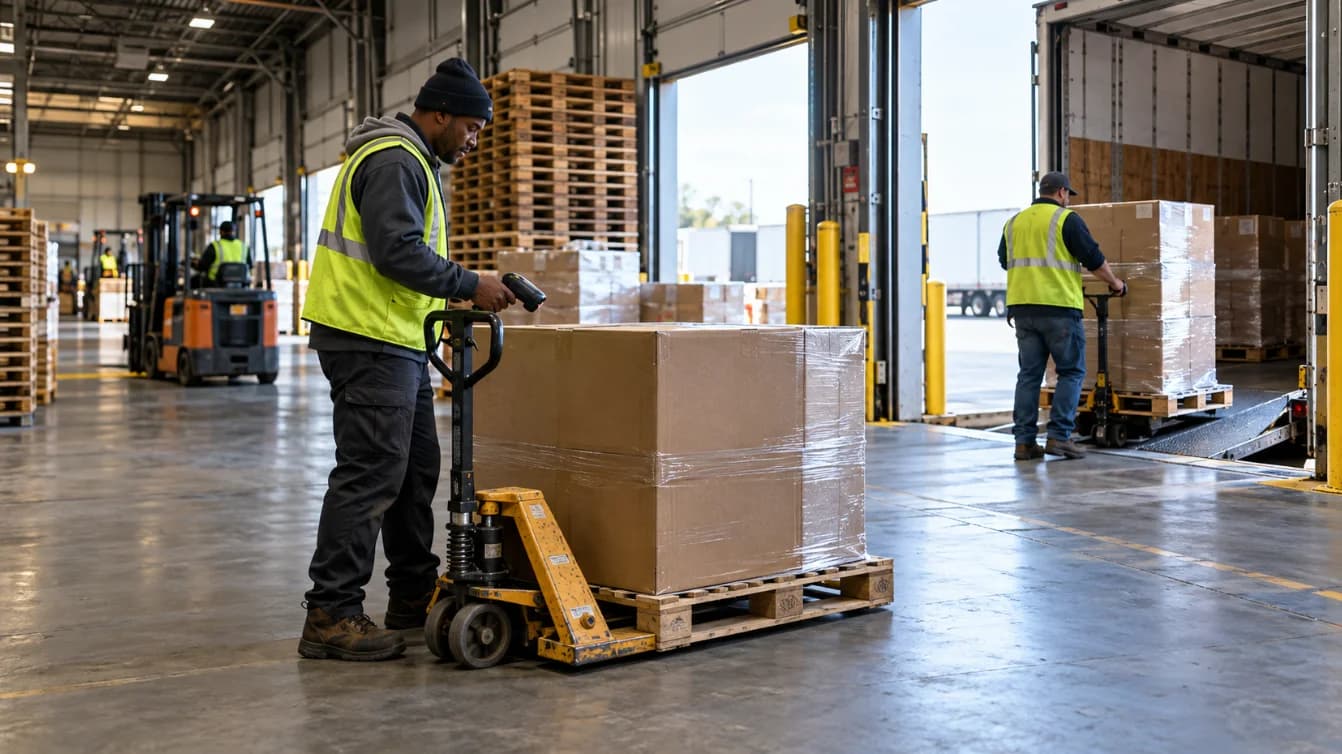
Indianapolis cross-docks can manage pallet turnover by deciding where each wood pallet goes as soon as a load is unloaded: back into usable inventory, to an outbound order, or into a designated recycling stream. That keeps extra pallets from collecting beside active dock doors while employees are trying to move freight. At The Pallet Squad, we work with businesses in Indianapolis on pallet pickup and drop-trailer service for ongoing pallet removal.
Why pallet turnover needs a clear route at a cross-dock
Cross-dock teams move freight from inbound to outbound quickly, often with limited time and staging space between the two. Pallets that arrive with inbound product can be ready for reuse, assigned to an outbound shipment, or left over after product moves onward. If employees don’t know which path to use, those pallets can wind up in temporary stacks that take up room and need to be moved again.
The first step is to make the decision at the point where a pallet leaves active use. Keep pallets approved for reuse in the appropriate inventory area. Route pallets assigned to an outbound load with that order. Set aside excess or unwanted wood pallets for removal or recycling. Your facility’s own rules should determine which pallets qualify for each route.
That decision point matters because a pallet waiting for a decision can be mistaken for available stock or moved into a busy staging lane. A simple sign or floor marking can show employees where approved pallets go and where excess pallets should wait for removal.
Sort pallets during inbound unloading
Build the pallet decision into the receiving process. As a team unloads a trailer, employees can identify pallets that the facility intends to reuse, those already allocated for outbound movement, and those that should enter the removal stream. The specific criteria will depend on the pallet requirements for your operation and customers.
Keep pallets with unclear ownership or requirements out of the recycling area until someone reviews them. A pallet that belongs to another company or needs to follow a separate return process should not enter a general removal stream by mistake.
Avoid creating a separate stack in every receiving lane. Choose a collection point that employees can reach without blocking a dock door, aisle, or the route to outbound staging. The U.S. Occupational Safety and Health Administration’s warehousing guidance covers safe material handling and clear access in work areas. Each facility should apply its own safety procedures and layout requirements when choosing where pallets go.
Keep excess pallets out of outbound staging
Outbound staging needs to stay available for freight that has a scheduled destination. When unwanted pallets share that space, employees may have to shift them before they can stage a load. That adds handling at the point where teams are working to get orders onto trailers.
Set a visible limit for temporary pallet staging and name the person or role responsible for moving excess pallets to the designated collection point. If the same pile routinely reaches that limit before removal, the collection process may need a more regular schedule or a different setup.
It also helps to record how many pallets accumulate during a normal operating period. A quick count by shift or day can show whether volume stays steady, spikes around certain inbound lanes, or changes with the outbound schedule. That information makes it easier to plan removals around actual pallet flow.
When a drop trailer fits the cross-dock workflow
For a cross-dock that produces unwanted pallets regularly, a drop trailer gives employees a designated place to load them as they accumulate. Instead of building a temporary stack and arranging removal after it grows, the team can move approved pallets toward the trailer as part of its normal process.
Our drop-trailer pallet recycling service places an empty enclosed 53-foot trailer at a facility for ongoing use. Employees load eligible wood pallets as they accumulate, and we coordinate removal and trailer replacement according to the service arrangement. The Pallet Squad lists capacity of up to 600 pallets per trailer; the actual amount depends on pallet size, mix, and how the trailer is loaded.
A drop trailer also needs a workable place in the yard. Consider tractor access, dock activity, and the distance employees would travel to load it. The trailer location should fit the facility’s traffic pattern and keep pallet handling from interfering with active freight movement.
If a cross-dock generates excess pallets only occasionally, a scheduled pallet pickup service may be a better fit. The useful comparison is how often pallets accumulate, how much room they occupy between removals, and how frequently employees have to move them before pickup.
Set an exchange trigger based on volume
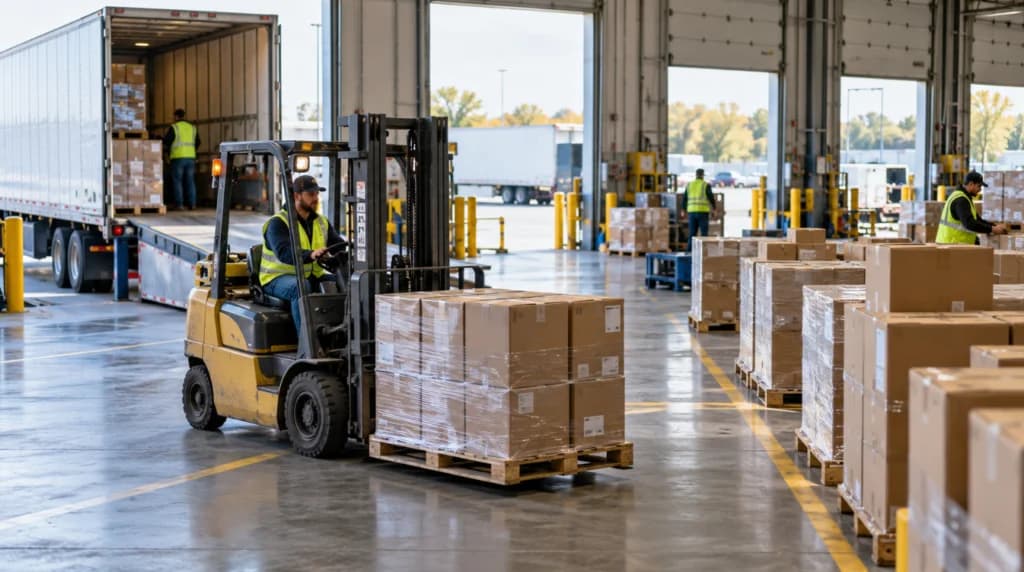
A trailer exchange plan should reflect how quickly your facility fills the trailer. Track the approximate number of pallets loaded and how long it takes the trailer to reach the point when you want it removed. If inbound volume changes from week to week, note what caused the difference so a short-term spike doesn’t become the basis for every future exchange.
Agree internally on who monitors the trailer and who contacts the service provider when it approaches the agreed removal point. That keeps the process from depending on one employee noticing a full trailer during a busy shift.
When you request service, share your Indianapolis facility location, estimated pallet volume, common pallet sizes, how often pallets accumulate, and the space available for a trailer. Those details give us a clearer starting point for discussing the right pickup or drop-trailer arrangement. Our Indianapolis pallet services page describes local pallet pickup, recycling, and drop-trailer options.
Make pallet removal part of the load handoff
Cross-dock pallet turnover works best when employees know where a pallet goes as soon as it leaves active use. Keep reusable inventory identifiable, protect outbound staging from excess stacks, and give unwanted pallets a designated route out of the facility. Then use actual pallet counts to decide whether occasional pickup or ongoing trailer service fits the operation.
At The Pallet Squad, we coordinate pallet pickup and drop-trailer service for businesses nationwide, including Indianapolis. If your cross-dock regularly has wood pallets left over between inbound and outbound loads, request a quote with your location, approximate volume, pallet sizes, and expected frequency. That information helps us discuss a practical removal schedule for your facility.