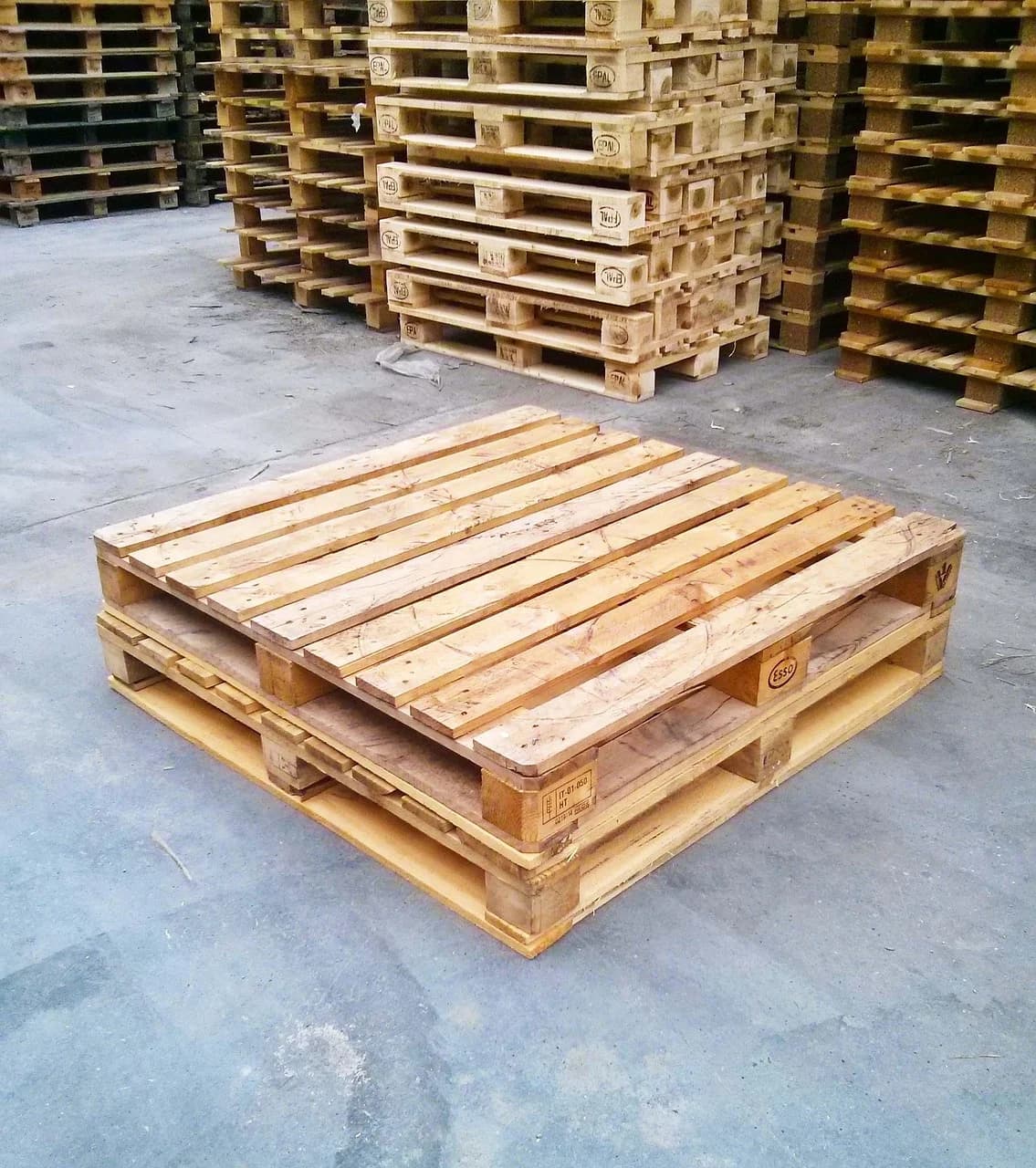
In today’s supply chain economy, pallets represent one of the most essential, and overlooked, cost factors in logistics. For operations managers juggling budgets, procurement, and warehouse flow, buying pallets in bulk can yield significant savings.
Yet, bulk purchasing only delivers value when it’s backed by strategy. This guide outlines seven proven pallet procurement strategies that help businesses reduce expenses, stabilize supply, and improve long-term efficiency, all while strengthening supplier relationships.
1. Understand Your True Pallet Cost Structure
Before pursuing bulk savings, you must know what you’re really paying for. The average price of a new 48×40 wood pallet in the U.S. fluctuates between $10–$18, while recycled pallets typically cost 30–50% less. However, the total cost includes more than the purchase price:
- Transportation fees (up to 25% of total cost)
- Storage and handling expenses
- Repair, disposal, and recycling costs
- Administrative overhead from multiple small orders
When you evaluate your pallet cost savings, include these indirect expenses. A well-negotiated bulk contract can lower total ownership costs by 15–25% annually compared to on-demand buying.
2. Negotiate Long-Term Contracts with Volume Commitments
Bulk discounts don’t come from a single order, they come from consistency. By offering your supplier predictable volume over six to twelve months, you gain leverage to negotiate:
- Lower per-unit rates for higher volume tiers
- Locked-in pricing to protect against market volatility
- Priority access during peak seasons when supply tightens
Operations managers who lock in long-term pallet supply agreements often report up to 20% cost stability improvements year-over-year. This not only simplifies budgeting but also reduces emergency purchases at inflated rates.
3. Diversify Suppliers to Strengthen Negotiation Power
Over-reliance on a single supplier increases vulnerability. Diversifying your pallet sources across two to three regional suppliers gives you flexibility and pricing leverage.
For instance:
- Use one vendor for new pallets.
- Another for recycled or refurbished pallets.
- A third for retrieval or drop-trailer services.
This approach ensures you always have supply coverage and bargaining power. Data from procurement case studies show that multi-supplier models can reduce total pallet costs by up to 12% while improving reliability.
4. Optimize Freight and Logistics Efficiency
Freight optimization is where many companies unlock their largest pallet cost savings. Shipping pallets across long distances often erodes bulk discounts, especially with rising diesel prices.
Best practices include:
- Partnering with geographically closer suppliers to reduce freight miles.
- Consolidating shipments, for example, receiving full truckloads (44,000–48,000 lbs) instead of partial loads.
- Using backhauls from your carriers to retrieve or deliver pallets.
A well-optimized freight network can cut transportation costs by 10–15% and shorten lead times. For multi-site businesses, coordinating deliveries to regional hubs multiplies these savings.
5. Standardize Pallet Specifications Across Facilities
Inconsistent pallet sizes or grades create hidden costs. If each warehouse orders slightly different specifications, you’ll end up paying more per pallet due to fragmented ordering and higher repair needs.
By standardizing your pallet specifications, such as 48×40 GMA Grade A recycled pallets, you simplify procurement and streamline logistics.
According to logistics data, standardization can:
- Reduce SKU complexity by 25–30%
- Lower damage rates by 15%
- Improve load efficiency by up to 10%
The result? Lower overall procurement and handling costs across the entire network.
6. Implement a Pallet Recycling and Retrieval Program
A proactive recycling program extends pallet lifespan and reduces your need for new purchases. Every repaired or reused pallet represents money saved.
Consider these numbers:
- A recycled pallet typically costs 40% less than a new one.
- Most quality pallets can be reused 6–10 times before full replacement.
- Closed-loop retrieval systems can cut new pallet orders by up to 50%.
Integrating a return and repair cycle through a national retrieval partner keeps pallets in circulation longer and supports sustainability goals, without compromising operational reliability.
7. Use Data and Analytics to Predict Pallet Demand
The final step in optimizing your pallet procurement strategy is analytics. Manual forecasting often leads to overstocking or shortages, both of which increase costs.
By using demand planning software or simple data dashboards, operations managers can:
- Track pallet usage per shipment or SKU
- Predict seasonal spikes (e.g., holiday distribution surges)
- Align inventory with production cycles
Data-driven forecasting helps you plan bulk orders months ahead, ensuring you buy pallets in bulk at the best market price rather than reactively during shortages.
Key Takeaways: Bulk Buying Done Right
| Strategy | Savings Potential | Key Benefit |
|---|---|---|
| Long-term contracts | 15–25% | Price stability & supplier priority |
| Supplier diversification | 10–12% | Risk reduction & flexibility |
| Freight optimization | 10–15% | Lower transport costs |
| Standardization | 5–10% | Simplified logistics |
| Recycling programs | 30–50% | Extended pallet life |
| Data forecasting | Variable | Predictive procurement efficiency |
When combined, these strategies can produce total pallet cost savings of 25–40% annually, a meaningful improvement to your bottom line.
Buying pallets in bulk is more than a procurement tactic, it’s a logistics strategy. By using data to forecast needs, standardizing specifications, optimizing freight, and building strong supplier partnerships, operations managers can transform pallet procurement into a cost advantage.
The companies that treat pallets as strategic assets, not just consumables, will continue to outperform competitors in cost control, efficiency, and sustainability.
Contact The Pallet Squad
For nationwide pallet supply and bulk purchasing solutions tailored to your business, contact The Pallet Squad today. Our team helps operations managers implement proven pallet procurement strategies that save money and strengthen supply chain reliability.