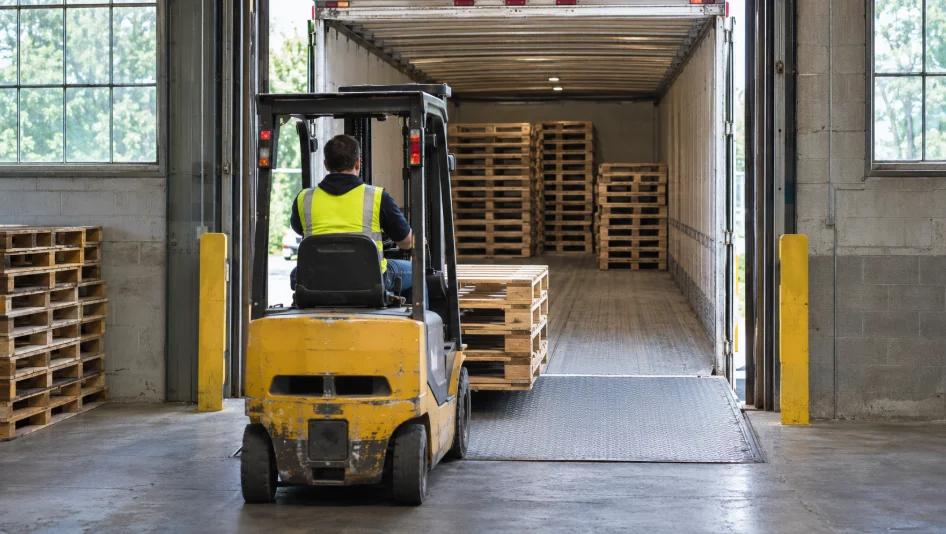
To confirm drop trailer pallet recycling at your warehouse, start with your exact facility address, weekly pallet volume, and available trailer space. A city listing gives you a starting point, but you still need confirmation that the service arrangement fits your location.
At The Pallet Squad, we coordinate pallet services nationwide, including drop trailer programs for warehouses and distribution centers with ongoing wood pallet volume.
If your team needs unwanted pallets picked up regularly, ask specifically about an onsite recycling trailer. That request tells us you’re looking for an ongoing collection program and gives the conversation a clearer starting point than a general question about pallet services in your city.
Confirm Drop Trailer Pallet Recycling at the Exact Address
Start with our pallet service location directory to look for your city or a nearby market. Then share the street address and ZIP code for the facility that needs service.
A business address and a warehouse entrance aren’t always the same place. An industrial property might use one address for its office and a separate gate for trucks. Include that distinction before anyone plans a trailer delivery.
If your city doesn’t appear in the directory, contact us with the address anyway. Our nationwide service network extends across markets, and an address gives us the information we need to review coverage.
Ask for confirmation of drop trailer service specifically. A conversation about pallet delivery or occasional removal doesn’t establish the details of a trailer that will remain onsite.
Describe the Pallets Your Facility Generates
Coverage starts with location, but the pallet stream matters too. Tell us approximately how many unwanted wood pallets your operation generates during a normal week and how that changes during busy periods.
Use actual counts where possible. If employees currently arrange removal whenever a staging area fills, review recent pickup dates and quantities. Those records give you a better estimate than the size of today’s pile.
Include common pallet dimensions and photos showing the overall condition. Explain whether most pallets remain reusable or whether the load contains a substantial amount of damaged material.
Keep your current backlog separate from ongoing volume. A warehouse with 1,000 pallets left from a cleanup project has a different requirement from one that generates that amount repeatedly. Both need removal, but only the second figure describes the continuing workload.
Make the Trailer Request Specific
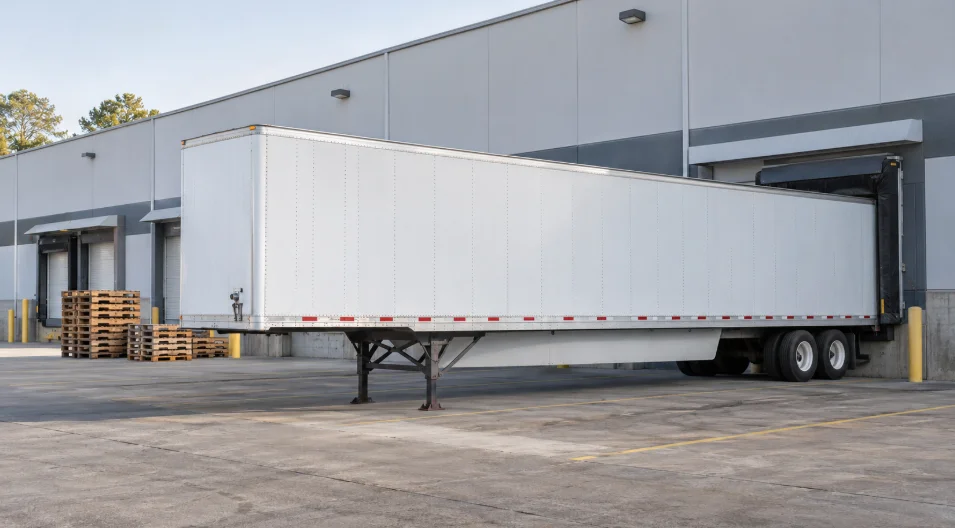
With our drop trailer pallet recycling service, we place an enclosed 53-foot trailer at a qualifying facility. Your employees load eligible wood pallets as they accumulate, and we coordinate removal and trailer replacement under the service arrangement.
When requesting coverage, explain that you want an empty trailer for pallet recycling. We also have a loaded trailer option for purchased pallets, so specifying the purpose avoids confusion.
If your facility needs both supply and removal, describe those needs separately. Don’t assume the same trailer will handle both activities without an agreed plan.
Ask what volume and exchange frequency would make sense for your address. A useful answer should connect your pallet generation rate with a workable collection arrangement, rather than stop at whether a truck can reach the property.
Check Whether the Site Can Host a Trailer
Before discussing a start date, identify where the trailer would sit and how employees would load it. We need a suitable dock position or level location with loading access, along with enough room for a tractor to place and collect the trailer.
Check the proposed location during normal operations. An empty yard on a quiet morning won’t show how outbound trailers, employee parking, or delivery queues affect access later.
Describe any gate restrictions, shared driveways, or appointment requirements. If a landlord or property manager controls trailer parking, confirm permission before committing that space.
Your facility should also review the placement under its safety procedures. OSHA’s materials handling standard addresses clear aisles and passageways, safe equipment clearances, and stable material storage. Apply those requirements when assessing the trailer location and the route employees will use to reach it.
Agree on Exchange Timing Before the First Drop
Local coverage doesn’t answer how an exchange will work at your warehouse. Confirm who requests removal, how much notice the arrangement requires, and which receiving hours apply.
Ask whether the program uses scheduled exchanges or requests based on trailer fill level. Then make sure your team knows when to contact the service provider.
Don’t build the process around an assumed same-day response. Get the timing directly from the agreed service terms.
For example, a facility that generates most of its unwanted pallets early in the week should explain that pattern before setting an exchange routine. An even weekly average can hide a concentrated loading period.
Name a primary contact and a backup at your facility. Both should know how to request an exchange and communicate access changes. That keeps a full trailer from waiting because the usual contact is away.
Confirm Accepted Pallets and Financial Terms
Before employees start loading, confirm which pallets belong in the recycling trailer. Describe mixed sizes, broken pallets, or unusual condition during the initial review.
Keep pallets with uncertain ownership outside the removal stream until your team resolves their status. Customer-owned pallets and pallets subject to a separate return arrangement need clear instructions.
Ask whether reusable pallets qualify for purchase and whether any removal charges apply. A city listing doesn’t establish a buyback price or guarantee no-cost service.
Get the terms for your particular pallet mix and location. Clarify how the arrangement handles a load that differs from the description you supplied.
If your facility only needs an initial backlog removed, explain that too. Our commercial pallet pickup service includes one-time and recurring removal, which gives us another option to discuss while reviewing your ongoing trailer needs.
Review Each Warehouse Separately
Companies with several warehouses should submit details for each address. Two facilities in the same metro area can have different pallet streams, access restrictions, and operating hours.
Avoid applying one site’s arrangement to every location before confirming the details. A distribution center with steady weekly volume may support a different program from a smaller warehouse that accumulates pallets slowly.
Give each site’s operations contact a chance to review the proposed setup. Purchasing may coordinate the request centrally, while the warehouse team knows which gate drivers must use and which dock positions remain available.
Keep a simple record for each address showing the confirmed service, accepted pallet mix, exchange process, and local contact. That gives managers something concrete to use when questions arise.
Send One Complete Coverage Request
A clear first message reduces follow-up questions. Include the exact address, typical weekly pallet count, common sizes, and photos. Describe your proposed trailer location and any truck access restrictions.
Also explain your timing. Separate the date you’d like service to begin from any urgent deadline for clearing existing pallets.
If you need pallet supply alongside recycling, include the order requirements as a separate part of the request. That lets us review the full operation without confusing purchased inventory with pallets awaiting removal.
To discuss coverage with The Pallet Squad, contact our team about a warehouse drop trailer. Ask us to confirm the address-specific arrangement, including trailer placement, accepted pallets, and exchange timing. Those details give your warehouse a usable service plan before the first trailer arrives.