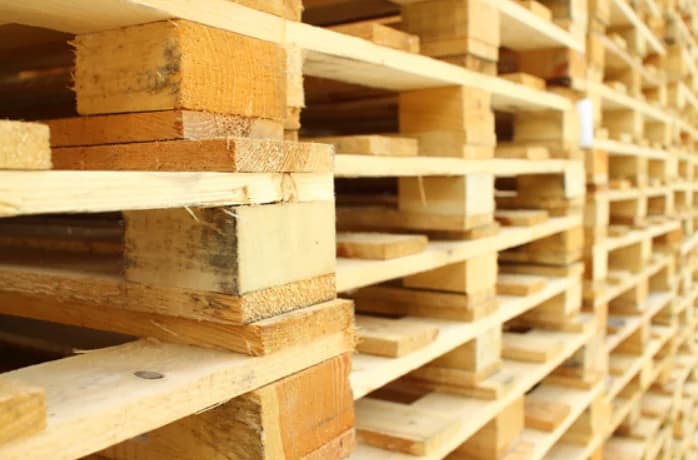
If you’ve ever searched “buy pallets near me”, there’s a good chance it wasn’t a casual request, it was urgent. Maybe pallet inventory ran lower than expected. Maybe outbound volume spiked. Or maybe a delivery showed up with inconsistent quality and suddenly your dock team was scrambling.
The challenge is that local pallet purchasing can look simple on the surface: find a supplier, get a price, place an order. But in real operations, pallet decisions directly impact shipping schedules, warehouse efficiency, and product protection. The wrong choice can lead to:
- Overpaying for pallets and freight
- Receiving weak or inconsistent pallet quality
- Late deliveries that stall outbound loads
- Increased product damage and safety risks
Below are 9 common mistakes buyers make when trying to buy pallets locally and how to avoid them.
Mistake #1: Only Comparing Price Per Pallet (Instead of Total Delivered Cost)
Many buyers make the decision based on the per-pallet price, but that’s only one piece of the cost.
When you buy pallets near you, your real cost includes:
- Delivery fees
- Fuel surcharges
- Minimum order charges
- Fees for partial loads
- Rush order pricing
A supplier quoting cheaper pallets may cost more overall if delivery pricing is inconsistent or unpredictable.
Fix it: Ask for the total delivered cost for your typical order size (including freight and surcharges). Compare suppliers using the same order quantities and delivery schedule.
Mistake #2: Not Confirming Pallet Grade Standards (Leading to Mixed Quality Loads)
One of the fastest ways to get burned when you buy pallets near you is receiving pallets that don’t match the grade you expected.
Some suppliers use broad labels like “good pallets” without clear grading standards. That can result in loads containing:
- Over-repaired pallets
- Cracked stringers
- Loose boards
- Weak deck structures
- Mixed grades in the same shipment
This inconsistency can cause product damage, load instability, and forklift handling issues.
Fix it: Confirm the pallet grades in writing (ex: Grade A recycled, Grade B recycled, or new). Ask for sample photos or a sample load before you commit to bulk purchasing.
Mistake #3: Ignoring Delivery Lead Times Until It’s Too Late
Local doesn’t always mean fast. A nearby supplier can still have long lead times if:
- Inventory is low
- Truck availability is limited
- They prioritize larger accounts
- They’re overloaded during peak demand
Late deliveries can create major operational consequences:
- Missed carrier appointments
- Idle labor
- Overtime to catch up
- Partial or delayed outbound shipments
Fix it: Ask for standard lead time and emergency lead time. If pallets are critical to your daily outbound schedule, choose a supplier that can offer scheduled replenishment instead of reactive ordering.
Mistake #4: Buying the Wrong Pallet Size for Your Load and Equipment
Many operations default to standard 48×40 pallets, even when their product doesn’t fit properly.
Common problems include:
- Product overhang causing edge damage
- Underutilized deck space wasting freight capacity
- Instability from uneven load distribution
- Handling issues with pallet jacks or tight docks
If your loads are heavy, long, or oddly shaped, the pallet size and design matter more than most buyers realize.
Fix it: Match pallets to real product dimensions and handling requirements. If overhang is frequent, consider custom sizes or reinforced designs that support the full footprint safely.
Mistake #5: Skipping a Sample Inspection Before Ordering in Bulk
A supplier’s pallet quality can vary significantly, even within the same grade category, especially with recycled pallets.
Ordering a truckload without inspecting samples can lead to:
- Broken boards across the load
- Pallets that aren’t racking-safe
- Nail issues that tear stretch wrap
- Weak entry points that fail during forklift lifts
Fix it: Always inspect sample pallets using a simple checklist:
✅ Solid stringers (no splitting)
✅ Tight boards (not loose or shifting)
✅ No major cracks or missing deck boards
✅ No protruding nails
✅ Stable construction when lifted
A 5-minute inspection prevents expensive rework and damage later.
Mistake #6: Not Asking About Inventory Capacity (Especially During Peaks)
Operations managers often assume “if they’re local, they’ll have supply.” But pallet availability can fluctuate fast based on:
- regional demand spikes
- seasonal shipping cycles
- lumber and repair capacity
- supplier yard inventory limits
When a supplier can’t support your volume, you’re forced into last-minute backup buying, usually at higher prices.
Fix it: Ask these capacity questions:
- How much inventory do you typically keep on hand for my pallet type?
- What volume can you support weekly?
- How do you handle peak demand periods?
A reliable supplier will have a clear answer and a plan.
Mistake #7: Overlooking Pick Up, Retrieval, or Recycling Services
Buying pallets is only half the equation. Used pallets don’t vanish, they accumulate behind the dock, break down, and create clutter.
If you don’t have a removal plan, your operation faces:
- yard congestion
- safety hazards
- disposal fees
- wasted labor time moving pallets around
A strong supplier relationship often includes options like:
- pallet pick up service
- pallet retrieval programs
- recycling and repair services
- buyback value for usable pallets
Fix it: Choose a supplier who can support both inbound pallet supply and outbound removal. That keeps your yard clean and helps recover value from used pallets.
Mistake #8: Ordering Too Often in Small Quantities (Overpaying for Freight)
Small, frequent pallet orders feel safer, but they’re often more expensive.
Ordering pallets in low quantities leads to:
- higher delivery cost per pallet
- more scheduling work
- greater risk of shortages between deliveries
- more emergency “rush” orders
Fix it: Buy pallets in bulk when possible and set a replenishment cadence. Even moving from two small orders per week to one larger scheduled delivery can reduce total freight cost.
Mistake #9: Choosing a Supplier Without Clear Communication and Service Standards
Many pallet problems aren’t caused by pallets, they’re caused by poor communication.
Late deliveries become worse when suppliers:
- don’t confirm ETAs
- don’t answer calls
- don’t notify you when delays happen
- change order quantities without warning
For operations teams, uncertainty is expensive.
Fix it: Choose a supplier who communicates clearly and consistently. Ask:
- Will I have a dedicated contact?
- Do you confirm delivery windows in advance?
- How do you handle short counts or quality issues?
The best suppliers behave like logistics partners, not just order takers.
Buying Pallets Locally Shouldn’t Feel Risky
Searching “buy pallets near me” should lead to a dependable supply solution, not a cycle of inconsistent quality and last-minute problems.
When you avoid these 9 mistakes, you gain:
- predictable pricing and delivered cost
- consistent pallet quality
- reliable delivery performance
- fewer product damages and load failures
- cleaner yards through pick up and recycling support
- fewer emergency purchases and better inventory control
The best pallet programs aren’t built on guesswork. They’re built on standards, reliability, and the right supplier partnerships.