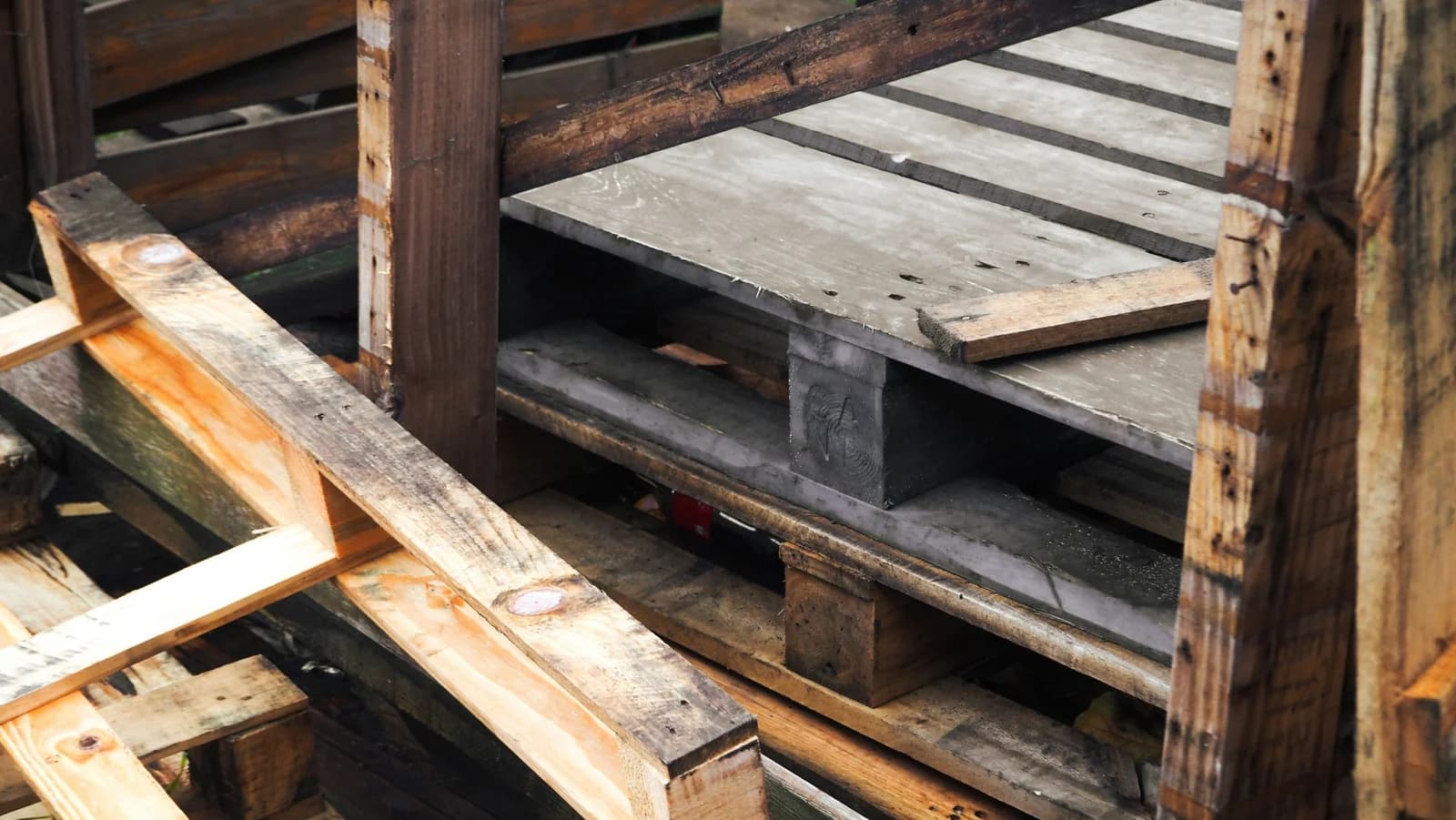
In the high-stakes world of logistics and materials handling, not every load demands pristine, brand-new equipment. Enter Grade B pallets—the workhorses of the pallet world. They might not win any beauty contests, but they consistently get the job done. For logistics managers, operations buyers, and business decision-makers focused on balancing cost, efficiency, and sustainability, buying Grade B pallets offers a compelling solution, provided you understand both their strengths and their limitations.
What Are Grade B Pallets?
Grade B pallets are previously used wooden pallets that have undergone at least one cycle of repair. They originate from Grade A pallets but have been reconditioned to restore functionality after wear or damage. Though they may contain plugs, plates, or companion stringers, they’re still structurally sound and functional for many commercial uses.
They typically meet the standard 48×40 GMA (Grocery Manufacturers Association) spec, but may vary slightly in appearance. Unlike Grade A pallets, which have no repairs or only minimal cosmetic flaws, Grade B pallets show visible signs of use, which is exactly what makes them affordable and widely available.
Where Grade B Pallets Excel
✅ Cost Efficiency
One of the most obvious advantages of Grade B pallets is cost. Businesses can expect to save 20–40% per pallet compared to Grade A options. For high-volume operations, this adds up fast. Whether you’re shipping regionally or managing internal warehouse logistics, using Grade B pallets helps stretch tight budgets without sacrificing performance.
✅ Eco-Friendliness and Sustainability
Grade B pallets are an essential part of the circular economy. Reusing and reconditioning wooden pallets keeps thousands of tons of wood out of landfills each year.
- ♻️ Over 95% of wood pallets are recycled or reused (according to the National Wooden Pallet & Container Association)
- 🌎 Using reclaimed pallets significantly reduces the carbon footprint of logistics operations
For businesses with sustainability goals or ESG reporting requirements, Grade B pallets offer a low-cost, high-impact win.
✅ Availability and Scalability
Because Grade B pallets are sourced from the vast pool of recycled and repaired inventory, they’re often more readily available in large quantities than new pallets, especially during high-demand periods. This makes them ideal for:
- Warehouses
- Manufacturing plants
- Distribution centers
- Seasonal operations
✅ Reliable Performance for Non-Sensitive Applications
Buying Grade B pallets can handle most standard loads just as well as Grade A ones, especially when weight and sanitary concerns are not primary issues. For industries shipping dry goods, consumer packaged goods, or industrial components, these pallets are usually more than sufficient.
Where Grade B Pallets Fall Short
Despite their utility, Grade B pallets are not one-size-fits-all. There are scenarios where they may not be the best fit or could even pose a risk.
⚠️ Inconsistent Appearance and Dimensions
Because they’ve been repaired, Grade B pallets may include mixed wood tones, varying board widths, and differing types of repairs (metal plates, stringers, etc.). While they generally meet standard dimensions, slight variations can occur, making them less ideal for:
- Automated palletizing systems
- Highly aesthetic retail displays
- Branding-conscious shipments
⚠️ Lower Load Capacity (Sometimes)
Although still usable, some Grade B pallets may have reduced structural integrity compared to new or Grade A pallets, especially if they’ve undergone multiple repairs. If your operation handles heavy loads (over 2,500 lbs) or fragile cargo, you may want to test sample pallets before large-scale use.
⚠️ Limited Export Use
For international shipping, particularly to countries that follow ISPM-15 regulations, the use of Grade B pallets can be tricky. If they aren’t heat-treated and stamped accordingly, they may not meet compliance standards.
- Tip: Always confirm that your Grade B pallets are HT (heat-treated) if planning to export.
⚠️ Not Ideal for Food or Pharma Use
Industries that require sanitary-grade pallets, such as food processing, pharmaceuticals, or health & beauty, should steer clear of Grade B. These pallets, having had prior use, may not meet FDA or GMP requirements. Even if cleaned, there’s a risk of contamination or inconsistent quality control.
How to Decide if Buying Grade B Pallets Are Right for You
Ask yourself:
- What am I shipping?
Dry goods, industrial items, or general merchandise = great fit. Perishables or sensitive goods = not ideal. - Where are my products going?
Domestic and short-haul = no problem. International = check heat treatment and compliance. - What are my cost and volume pressures?
If budget or pallet quantity is a concern, Grade B pallets offer a highly scalable, sustainable solution. - Is uniform appearance important?
If branding or automation is involved, you may want to consider Grade A or new pallets instead.
Tips for Getting the Most Out of Grade B Pallets
- Partner with a reputable supplier like The Pallet Squad to ensure quality and consistency
- Ask for samples before placing bulk orders to test compatibility with your systems
- Inspect regularly to catch damage early and avoid operational disruptions
- Request HT stamps if you’re using pallets for export
Final Thoughts: Functional, Not Flawless
Grade B pallets may not be perfect, but they don’t have to be. In a world where functionality, cost control, and sustainability matter more than cosmetics, these workhorse pallets offer tremendous value. With smart sourcing and a clear understanding of their best uses and limitations, Grade B pallets can support your operations without breaking the bank.
Looking to save money and boost your sustainability efforts without compromising on performance? Contact The Pallet Squad today to source high-quality Grade B pallets tailored to your business needs. With bulk availability, consistent quality, and expert logistics support, we’ve got your back, flaws and all.