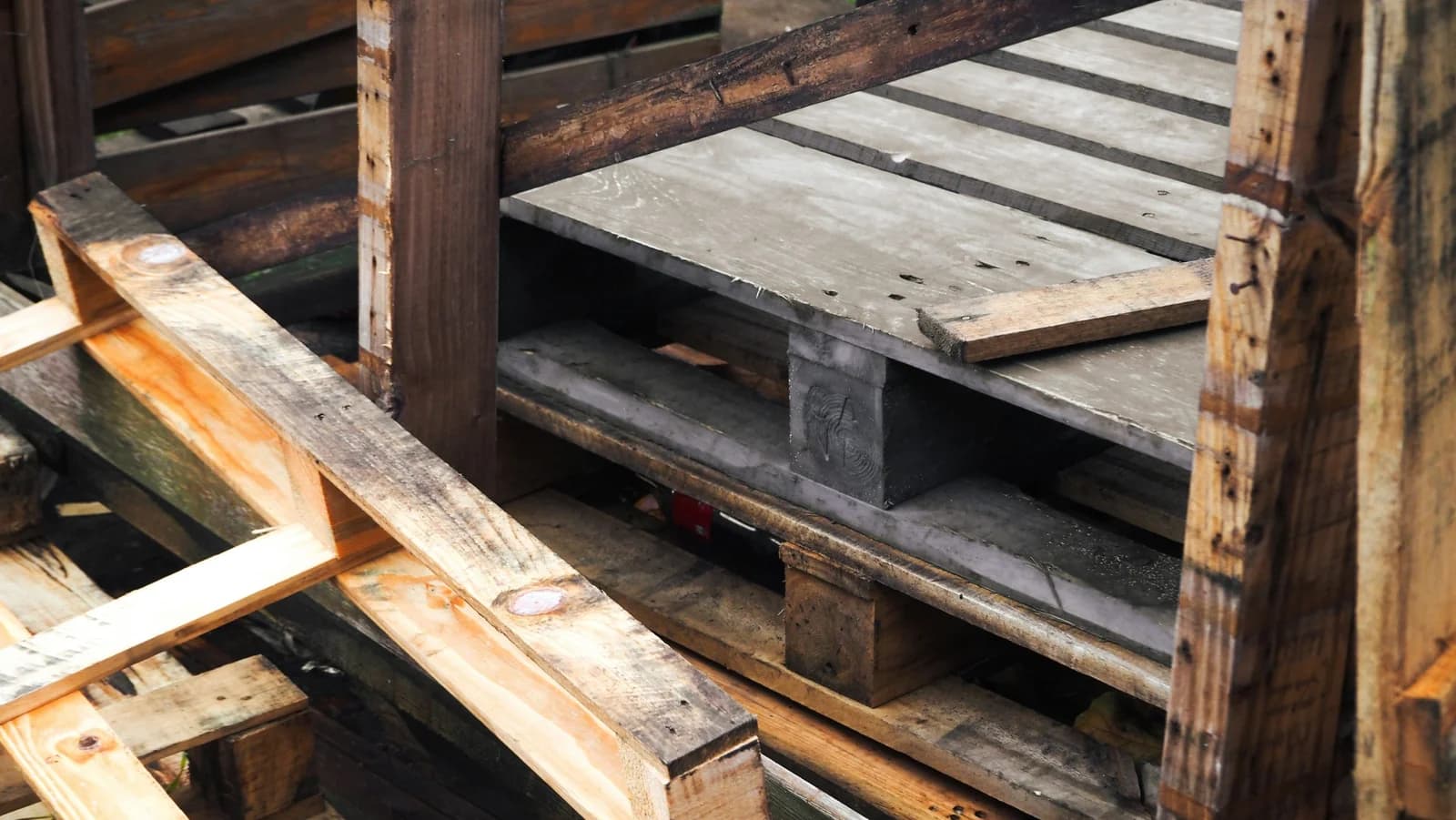
Wood pallets are a logistics and supply chain staple, valued for their versatility and cost-effectiveness. However, while their upfront cost might seem economical, there are hidden costs associated with wood pallets that businesses often overlook. Understanding these hidden expenses can help companies make more informed decisions and potentially save significant amounts of money in the long run. Let’s delve into the hidden costs of wood pallets and explore how they can impact your bottom line.
1. Maintenance and Repair Costs
Wood pallets are subject to wear and tear from repeated use, exposure to the elements, and handling by forklifts and other machinery. Over time, pallets can suffer from broken boards, splinters, and other damages. The cost of maintaining and repairing these pallets can add up significantly. Regular inspections, repairs, and replacements are necessary to ensure the pallets remain safe and functional, and these maintenance activities incur ongoing costs.
2. Storage Costs
Storing wood pallets can be more expensive than anticipated. They require substantial space, whether in a warehouse or a storage yard. If stored properly, pallets can avoid becoming a safety hazard or suffering damage from environmental conditions. Businesses must invest in adequate storage solutions, such as pallet racks or dedicated storage areas, which can increase operational costs.
3. Transportation Costs
While wood pallets are essential for transporting goods, they also increase transportation costs. Pallets add weight and volume to shipments, potentially reducing the number of goods transported in a single trip. This can lead to higher fuel consumption and increased shipping costs. Additionally, returning empty pallets to their point of origin or a recycling facility incurs further transportation expenses.
4. Waste Management and Disposal Costs
When wood pallets end their useful life, they must be disposed of properly. Disposal costs can include fees for waste management services and the labor involved in sorting and removing damaged pallets. Improper disposal can also result in environmental fines or penalties. Recycling or repurposing old pallets is a more sustainable option but still requires time and resources.
5. Pest Control Costs
Wood pallets can attract pests such as termites, ants, and rodents, especially when stored outdoors or in damp environments. Infestations can significantly damage the pallets and the goods they carry. To prevent and manage pest issues, businesses often need to invest in pest control measures, which add to the overall cost of using wood pallets.
6. Compliance and Treatment Costs
For businesses involved in international shipping, compliance with the International Standards for Phytosanitary Measures No. 15 (ISPM 15) is mandatory. This regulation requires wood pallets to be heat-treated or fumigated to prevent the spread of pests across borders. Complying with these regulations involves additional costs for treatment and certification, which can add up over time.
7. Health and Safety Costs
Damaged or poorly maintained wood pallets can pose health and safety risks to workers. Splinters, sharp edges, and unstable pallets can lead to workplace injuries, resulting in medical expenses, workers’ compensation claims, and lost productivity. Ensuring a safe working environment requires regular training, inspections, and safety equipment, all contributing to hidden costs.
8. Environmental Impact Costs
Another hidden cost of using wood pallets is the environmental impact. The production of wood pallets involves harvesting trees, which can contribute to deforestation and environmental degradation. Companies looking to reduce their ecological footprint may need to invest in sustainable sourcing practices or alternative materials, which can be more expensive than traditional wood pallets.
Mitigating Hidden Costs
To mitigate these hidden costs, businesses can consider the following strategies:
- Invest in Quality Pallets: High-quality pallets may have a higher upfront cost but can reduce maintenance, repair, and replacement expenses over time.
- Implement Proper Storage Solutions: Efficient storage systems can minimize damage and reduce space requirements.
- Optimize Transportation: Streamlining logistics to maximize load capacity and reduce empty returns can lower transportation costs.
- Recycling and Repurposing: Establishing a recycling or repurposing program for old pallets can reduce waste management costs.
- Sustainable Practices: Sourcing pallets from sustainable suppliers and considering alternative materials can help mitigate environmental impact and compliance costs.
While wood pallets are an essential component of modern logistics, it’s crucial to be aware of the hidden costs associated with their use. By understanding and addressing these expenses, businesses can make more informed decisions, improve operational efficiency, and enhance sustainability. Evaluating the cost of wood pallets is not just a matter of financial prudence; it’s a step towards more responsible and sustainable business practices.