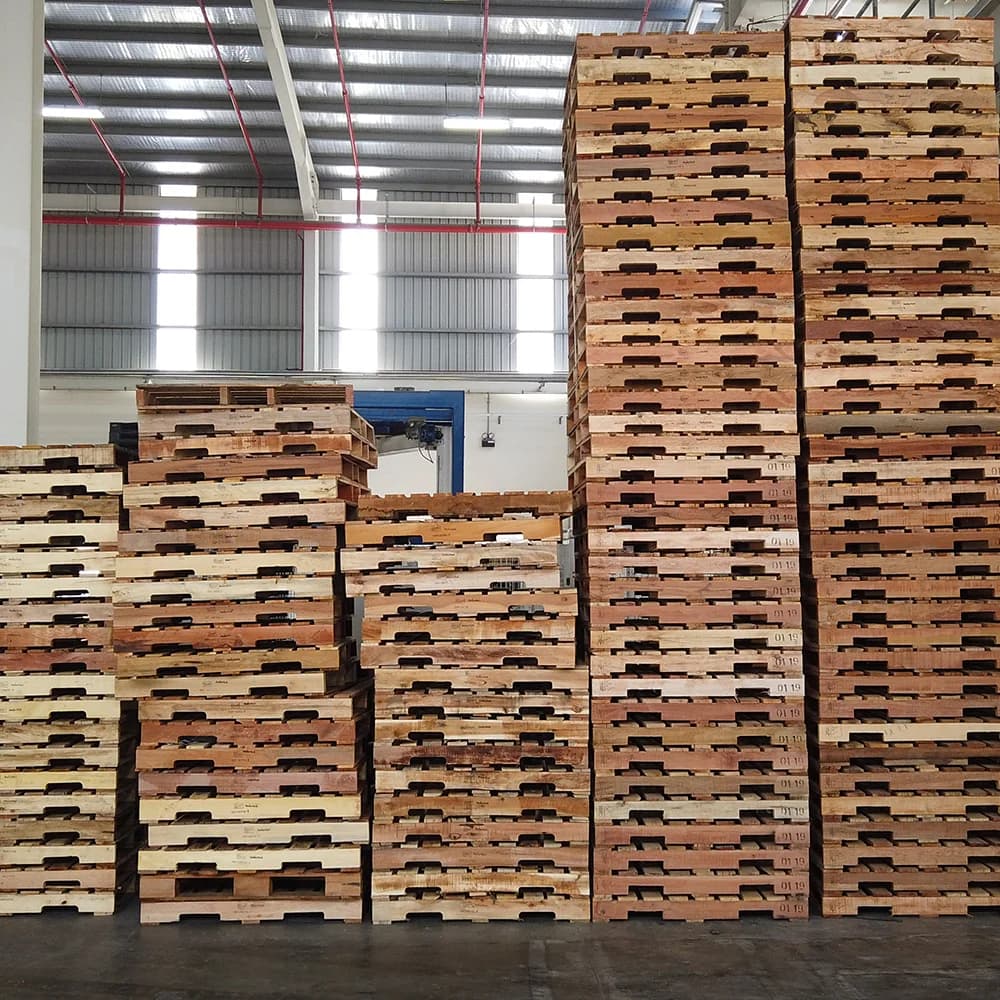
Pallets are the backbone of efficient transportation and storage in the logistics and shipping industry. High-quality pallets are crucial for ensuring product safety, reducing damage during transit, and optimizing supply chain efficiency. As a result, sellers must understand the importance of pallet quality and adhere to inspection standards. This blog will explore the key factors to consider when ensuring high-quality pallets for sale, including inspection processes and industry standards.
The Importance of High-Quality Pallets
- Product Protection:
- High-quality pallets provide stability and support for goods during transportation and storage. They minimize the risk of damage and ensure that products arrive at their destination in perfect condition.
- Cost Efficiency:
- Investing in quality pallets reduces the likelihood of breakage and loss during transit, leading to cost savings in replacements and potential compensation for damaged goods.
- Compliance with Regulations:
- Many industries have specific regulations regarding pallet quality and safety standards. Ensuring compliance protects your business from legal issues and enhances your reputation in the marketplace.
- Enhanced Customer Satisfaction:
- Delivering products on high-quality pallets improves the overall customer experience. Satisfied customers are more likely to return and recommend your business to others.
Key Factors in Pallet Quality Inspection
- Material Type:
- Pallets are typically made from wood, plastic, or metal. The material used can affect the overall quality and durability of the pallet. Inspectors should assess the suitability of the material for the intended use, considering factors such as load capacity and environmental conditions.
- Pallet Design:
- The pallet’s design, including its size, shape, and configuration, plays a vital role in its quality. Ensure that the design complies with industry standards and meets your customers’ specific needs.
- Structural Integrity:
- Inspect pallets for structural integrity by examining the following:
- Deck Boards: Check for cracks, splits, or warping that could compromise the pallet’s load-bearing capacity.
- Stringers: Ensure that the stringers are intact and free from damage, as they provide the primary support structure.
- Nails and Fasteners: Verify that all nails and fasteners are secure and not protruding, as loose or damaged fasteners can lead to pallet failure.
- Surface Condition:
- The pallet’s surface should be smooth and free of debris, splinters, or hazardous materials. A clean surface ensures safe handling and protects products during transit.
- Pest Infestation:
- Inspect wooden pallets for signs of pest infestation, such as holes or frass (insect droppings). Infested pallets can pose a product risk and may violate regulations regarding pest control in shipping.
Industry Standards for Quality Pallets
- American National Standards Institute (ANSI):
- ANSI provides guidelines for pallet specifications, including design, construction, and performance standards. Familiarizing yourself with ANSI standards can help ensure that your pallets meet industry requirements.
- International Organization for Standardization (ISO):
- ISO offers international pallet standards, focusing on safety, performance, and sustainability. Compliance with ISO standards can enhance your credibility in the global market.
- European Pallet Association (EPAL):
- EPAL sets quality standards for wooden pallets used in Europe. Pallets that meet EPAL standards are certified and marked with the EPAL logo, indicating compliance with safety and quality requirements.
- ISPM 15:
- The International Standards for Phytosanitary Measures (ISPM 15) requires that wooden pallets used in international shipping be heat-treated or fumigated to prevent the spread of pests. Compliance with ISPM 15 is crucial for businesses engaged in global trade.
Best Practices for Ensuring High-Quality Pallets
- Implement a Quality Control Process:
- Establish a quality control process for inspecting pallets before they are sold. This process should include standardized checklists and regular training for inspection staff.
- Document Inspection Results:
- Keep detailed records of pallet inspections, including dates, findings, and any corrective actions taken. Documentation helps maintain quality standards and provides valuable data for improving processes.
- Collaborate with Reliable Suppliers:
- Work with reputable suppliers who adhere to industry standards for pallet manufacturing. Building solid relationships with suppliers can help ensure a consistent supply of high-quality pallets.
- Stay Informed About Industry Trends:
- Update your knowledge of industry trends and emerging standards regularly. This proactive approach will help you adapt to market changes and maintain high-quality offerings.
- Train Employees:
- Invest in training programs for employees involved in inspecting and handling pallets. A well-informed workforce is essential for maintaining quality standards and ensuring compliance.
Conclusion
Ensuring high-quality pallets for sale is critical to the logistics and shipping industry. By implementing thorough inspection processes and adhering to industry standards, businesses can protect their products, reduce costs, and enhance customer satisfaction. With a commitment to quality, you can position your company as a trusted supplier in the competitive pallet market.