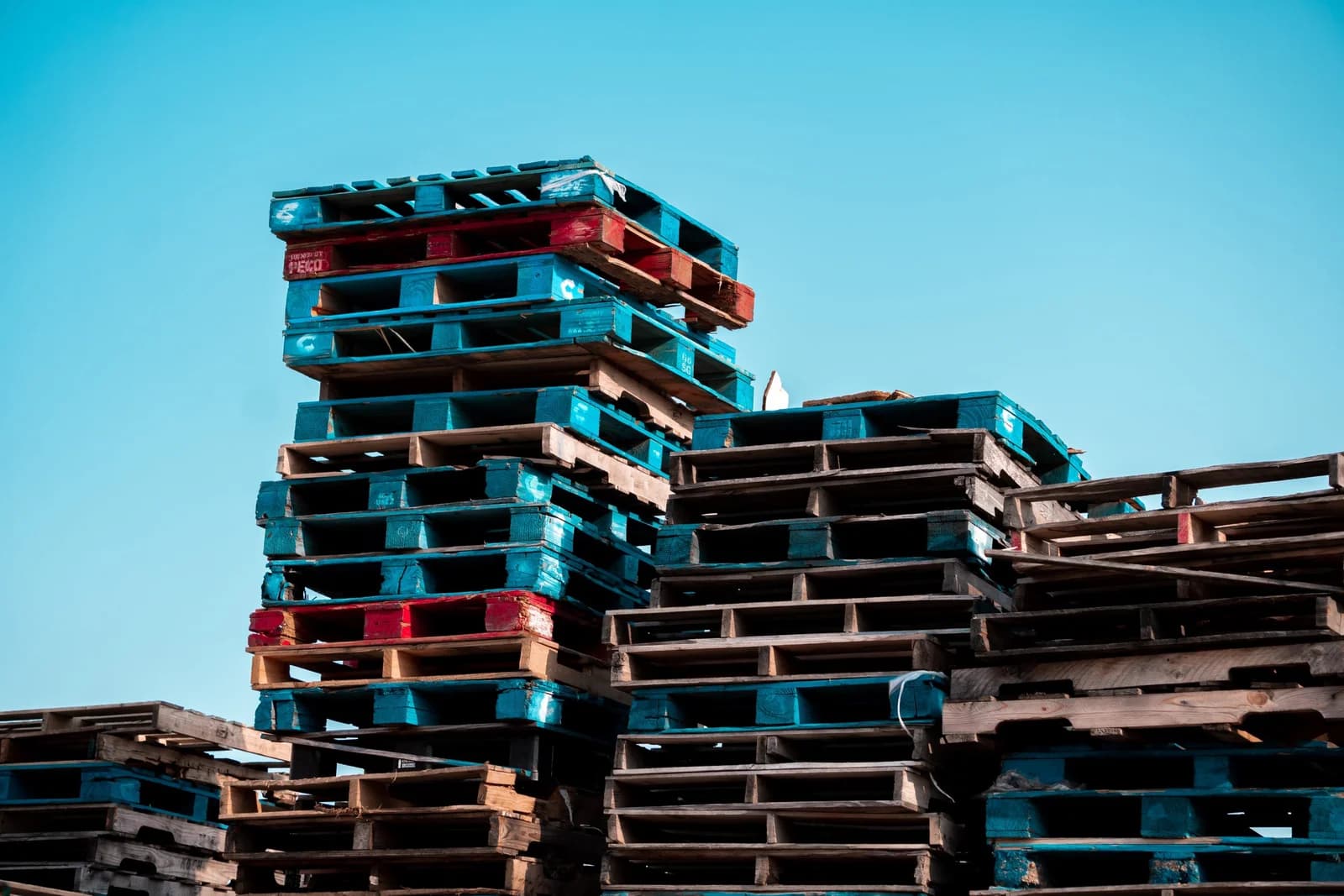
In a world with rising environmental consciousness, the spotlight is shifting towards sustainable practices that benefit our planet and make economic sense. One unsung hero in this green revolution is the humble pallet. Often overlooked and underestimated, pallets play a crucial role in the global supply chain. In this post, we’ll delve into the fascinating world of pallet recycling and explore how it powers the circular economy, bringing both environmental and economic advantages.
The Unsung Hero:
Pallets are the unsung heroes of the logistics world, silently supporting the movement of goods across the globe. These flat structures made of wood, plastic, or metal are the backbone of supply chains, ensuring products reach their destination safely and efficiently. However, their journey doesn’t end there. Once they’ve served their primary purpose, pallets are often discarded, creating a significant waste stream. That’s where pallet recycling gives these overlooked champions a new lease on life.
Environmental Benefits:
Reducing Deforestation:
One of the primary environmental benefits of pallet recycling is its contribution to reducing deforestation. Wooden pallets, in particular, are often made from virgin wood. Recycling and reusing these pallets decreases the demand for new timber, helping preserve our forests and biodiversity.
Energy Conservation:
Recycling pallets requires less energy compared to manufacturing new ones. It’s a simple equation: the more we recycle, the less energy we consume. This lowers carbon emissions and eases the strain on our planet’s precious resources.
Waste Reduction:
Pallet recycling significantly contributes to waste reduction. Instead of ending up in landfills, where they could take decades to decompose, recycled pallets find new life in various applications, minimizing the burden on waste management systems.
Economic Benefits:
Cost Savings:
Businesses that embrace pallet recycling enjoy cost savings. Instead of constantly purchasing new pallets, companies can invest in durable, recycled alternatives. This reduces expenses and contributes to a more sustainable and resilient supply chain.
Job Creation:
The pallet recycling industry isn’t just about saving money; it’s also about creating jobs. Recycling centers, repair facilities, and other businesses in the pallet recycling ecosystem provide employment opportunities, boosting local economies.
Resource Efficiency:
Pallet recycling embodies the essence of the circular economy by promoting resource efficiency. Rather than discarding materials after a single use, we can extend the life cycle of pallets through recycling, ensuring that valuable resources are utilized to their full potential.
Pallet power is real, and its impact on the circular economy is substantial. By recognizing the value of recycling pallets, we contribute to environmental conservation and unlock economic opportunities. It’s time to give the unsung hero its due credit and embrace pallet recycling as a key player in building a more sustainable and prosperous future. After all, the circular economy starts with something as simple as a pallet.