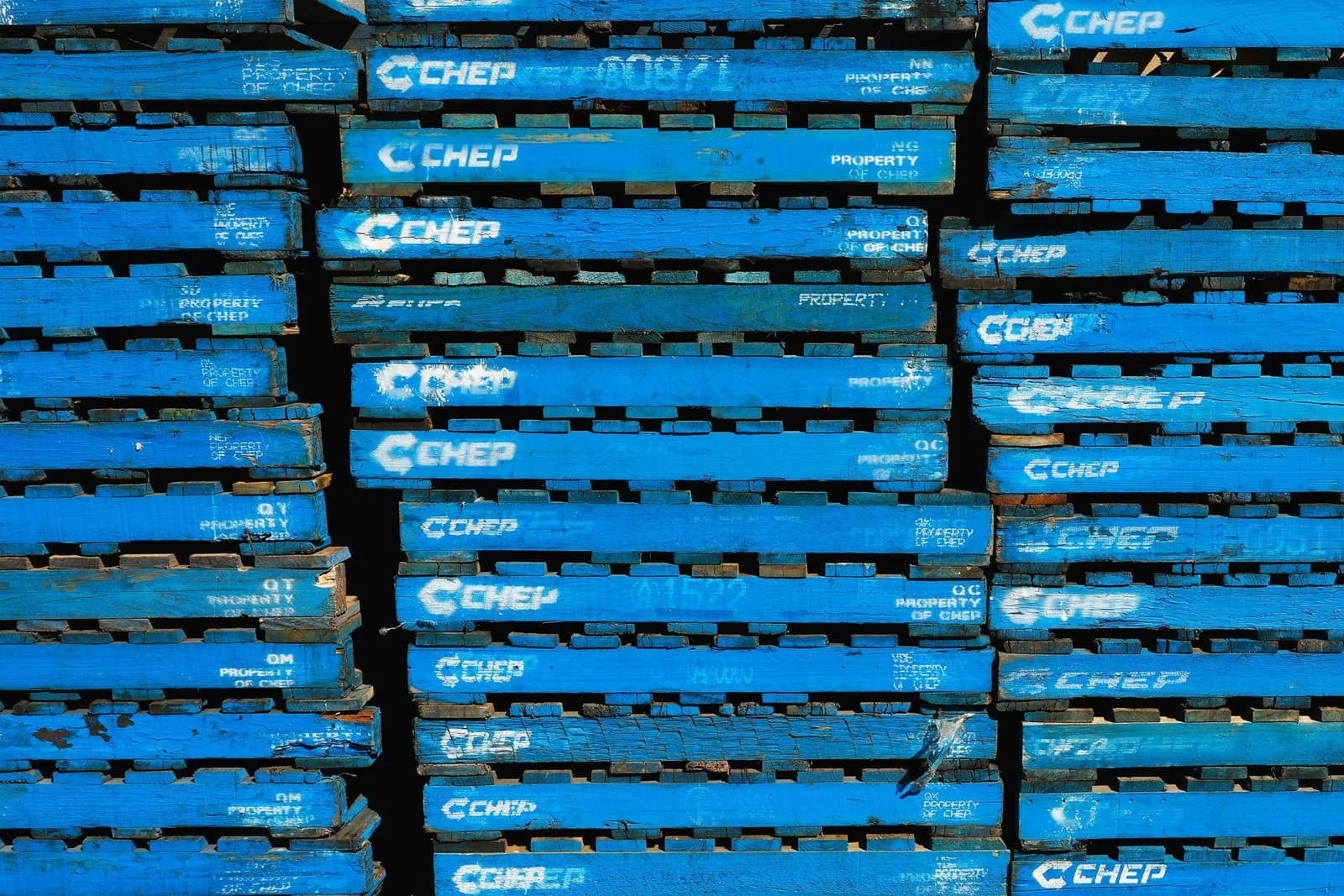
In the fast-paced logistics and supply chain management world, wood pallets play a vital role in transporting and storing goods. Ensuring these pallets are in good condition is crucial for maintaining safety, efficiency, and cost-effectiveness. Damaged pallets can lead to product damage, safety hazards, and increased operational costs. This guide will explore inspecting wood pallets for damage and avoiding costly issues.
Why Pallet Inspection is Important
Regular pallet inspections are essential for several reasons:
- Safety: Damaged pallets can cause accidents, leading to injuries and costly workers’ compensation claims.
- Product Protection: Broken or weakened pallets can damage products, leading to financial losses and customer dissatisfaction.
- Operational Efficiency: Using sound pallets ensures smooth operations and minimizes disruptions in the supply chain.
- Cost Savings: Early detection of pallet damage can prevent more extensive damage and reduce repair and replacement costs.
Key Areas to Inspect
When inspecting wood pallets, focus on these critical areas to identify potential issues:
1. Deck Boards
- Cracks and Splits: Examine the top and bottom deck boards for cracks or splits, which can compromise the pallet’s structural integrity.
- Loose or Missing Boards: Ensure that all deck boards are securely fastened. Loose or missing boards can cause load instability.
2. Stringers and Blocks
- Cracks and Splits: Inspect the stringers (the long, vertical supports) and blocks for any signs of cracking or splitting.
- Missing or Damaged Blocks: Check for missing or damaged blocks in block pallets. These provide crucial support and stability.
3. Nails and Fasteners
- Protruding Nails: Look for nails that are sticking out, which can damage products or injure workers.
- Loose Fasteners: Ensure all nails and fasteners are secure. Loose fasteners can lead to pallet instability.
4. Overall Structure
- Warping: Check for any warping of the pallet, which can affect load stability.
- Discoloration and Rot: Look for signs of discoloration or rot, especially in older pallets or those exposed to moisture.
Steps for Conducting a Pallet Inspection
To effectively inspect pallets, follow these steps:
1. Visual Inspection
Conduct a thorough visual inspection of the pallet. Walk around it and examine all sides, paying close attention to the abovementioned critical areas. Use a flashlight if necessary to see clearly in darker areas.
2. Physical Check
- Feel for Soft Spots: Press on the wood to check for soft spots, indicating rot or internal damage.
- Lift and Move: Gently lift and move the pallet to ensure it is sturdy and doesn’t wobble or feel unstable.
3. Load Testing
- Weight Test: Place a standard load on the pallet and observe its performance. Ensure it can handle the weight without any signs of strain or damage.
- Stacking Test: If pallets are used for stacking, test the stability by stacking a few pallets and checking for any instability.
4. Regular Maintenance and Record-keeping
- Maintenance Schedule: Implement a regular maintenance schedule for pallet inspections. Depending on usage, this could be daily, weekly, or monthly.
- Record Keeping: Keep detailed records of inspections, noting any damage and repairs. This helps track the condition of your pallets and plan replacements.
Common Issues and How to Address Them
1. Minor Cracks and Splits
- Repair: Small cracks and splits can often be repaired with wood glue or metal brackets. Ensure repairs are done promptly to prevent further damage.
2. Loose or Missing Boards
- Replace Boards: Secure loose boards with nails or screws. Replace missing boards to maintain the pallet’s structural integrity.
3. Protruding Nails
- Hammer Down: Hammer down any protruding nails to prevent injury and damage to goods. Consider replacing the nails with screws for a more secure hold.
4. Warping and Rot
- Replace Pallets: Severely warped or rotted pallets should be removed from circulation and replaced with new ones to ensure safety and stability.
Regular pallet inspections are crucial for maintaining your operations’ safety, efficiency, and cost-effectiveness. Knowing what to look for and how to address common issues can prevent costly problems and ensure your supply chain runs smoothly. Implement a robust inspection and maintenance program to keep your pallets in top condition and avoid the hidden costs of pallet damage.