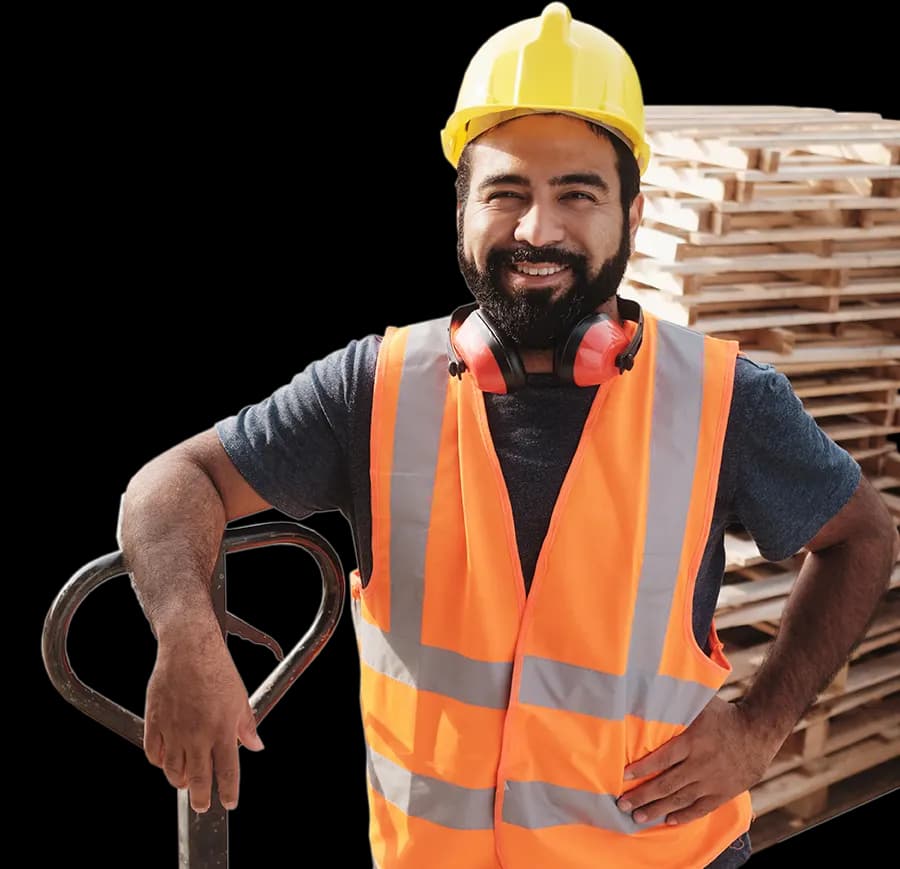
In the world of logistics and supply chain management, efficiency and sustainability are more important than ever. Businesses often accumulate large numbers of pallets that take up valuable space and resources if not managed properly. That’s where a pallet buyback program steps in—a solution designed to help companies recoup costs, enhance sustainability efforts, and streamline their operations. But what exactly is a pallet buyback program, and how does it work?
This blog will dive into the essentials of pallet buyback programs, their benefits, how they function, and why they are a win-win for businesses and the environment.
The Basics of a Pallet Buyback Program
A pallet buyback program is a service offered by pallet suppliers or recycling companies to purchase used or unwanted pallets from businesses. These programs aim to:
- Provide businesses with a financial return for pallets they no longer need.
- Ensure pallets are repaired, recycled, or reused instead of being sent to landfills.
- Optimize pallet inventory for companies by removing damaged or surplus pallets.
Typically, the process involves assessing the condition of the pallets, providing compensation based on their value, and arranging for pick up or drop-off.
Key Statistics on Pallet Buyback Programs
- Pallet recycling rate in the U.S.: Over 95% of pallets are now recovered and reused, significantly reducing landfill waste.
- Economic benefits: Businesses can save up to 30% on new pallet purchases by participating in buyback programs.
- Environmental impact: Recycling pallets saves 43 million trees annually by reducing the need for new wood production.
- Global pallet market growth: Expected to reach $110 billion by 2030, with a growing emphasis on sustainable solutions like buyback programs.
How a Pallet Buyback Program Works
- Assessment
The first step is to evaluate your inventory of used pallets. Pallet companies typically look for:- Standard sizes (such as 48×40 GMA pallets).
- Reusable pallets in good condition.
- Pallets that can be repaired or refurbished.
- Valuation
The company offering the buyback program will provide a quote based on the type, size, and condition of the pallets. Standard-sized pallets in good condition often fetch the highest value. - Pick Up or Drop-Off
Most pallet buyback programs offer flexible logistics options, including:- On-site pick up: For large quantities of pallets.
- Drop-off locations: Ideal for smaller loads.
- Payment and Recycling
Once the pallets are collected and assessed, businesses are compensated, and the pallets are sorted for reuse or recycling.
Benefits of Pallet Buyback Programs
1. Cost Savings
- Businesses can recover part of their investment by selling unused pallets, lowering operational costs.
- Buyback programs reduce the need for purchasing new pallets, particularly for companies that also rent pallets.
2. Sustainability
- Extending the lifecycle of pallets reduces the demand for raw materials like timber.
- Recycling pallets lowers carbon emissions compared to manufacturing new ones, contributing to environmental goals.
3. Space Optimization
- Pallet buyback programs help clear out cluttered storage areas, making room for other business operations.
- Businesses can better manage their inventory by eliminating damaged or unusable pallets.
4. Compliance
- Many industries, including food, beverage, and pharmaceuticals, require strict adherence to hygiene and safety standards.
- Buyback programs ensure non-compliant pallets are removed and replaced with suitable options.
5. Streamlined Operations
- By partnering with pallet suppliers or recyclers, businesses can offload the responsibility of pallet management.
Types of Pallets Accepted in Buyback Programs
While the specifics vary by provider, most pallet buyback programs focus on:
- Standard GMA Pallets: The most widely used type in the U.S., sized at 48×40 inches.
- Custom Pallets: Some companies accept non-standard pallets, although valuation may differ.
- Heat-Treated Pallets: Particularly in industries requiring compliance with ISPM-15 for international shipping.
- Plastic Pallets: Often repaired or repurposed, though less common in traditional buyback programs.
Who Benefits from Pallet Buyback Programs?
1. Retail and E-commerce Businesses
With the rise of online shopping, warehouses and distribution centers are inundated with pallets. A buyback program helps manage excess inventory efficiently.
2. Manufacturing Companies
Manufacturers often accumulate surplus pallets during production and shipping. Selling these pallets creates an additional revenue stream while maintaining organized facilities.
3. Logistics and Warehousing Firms
Pallet buyback programs are invaluable for third-party logistics providers, helping them optimize space and reduce costs.
Case Studies: Successful Pallet Buyback Initiatives
Case Study 1: Retail Chain Reduces Costs by 20%
A major retail chain partnered with a pallet recycling company to implement a buyback program. By selling surplus GMA pallets, the chain reduced waste and cut pallet-related costs by 20% annually.
Case Study 2: Manufacturer Achieves Zero-Waste Goals
A manufacturing firm integrated pallet buyback into its sustainability strategy. Over three years, it recycled 95% of its pallets, avoiding landfill use and meeting zero-waste targets.
Tips for Choosing the Right Pallet Buyback Program
- Partner with a Reputable Provider
- Research companies with experience in pallet recycling and buyback.
- Look for providers offering transparent valuation and fair compensation.
- Ensure Sustainability Practices
- Choose programs that prioritize recycling and repairing pallets over disposal.
- Verify Logistics Options
- Opt for companies offering flexible pick up schedules or nearby drop-off locations.
- Request a Quote
- Compare quotes from multiple providers to ensure competitive pricing.
The Role of Buyback Programs in the Circular Economy
Pallet buyback programs contribute significantly to the circular economy by promoting reuse, reducing waste, and conserving natural resources. These programs align with global sustainability goals, such as reducing deforestation and lowering greenhouse gas emissions.
As more businesses prioritize sustainable practices, pallet buyback programs are becoming a critical component of responsible supply chain management.
Pallet buyback programs offer a practical, cost-effective, and eco-friendly solution for businesses across industries. By selling surplus or damaged pallets, companies can recover costs, optimize operations, and contribute to sustainability efforts.
Whether you’re a logistics manager looking to streamline operations or a business owner seeking to enhance your green initiatives, a pallet buyback program is a smart choice for managing your pallet inventory.