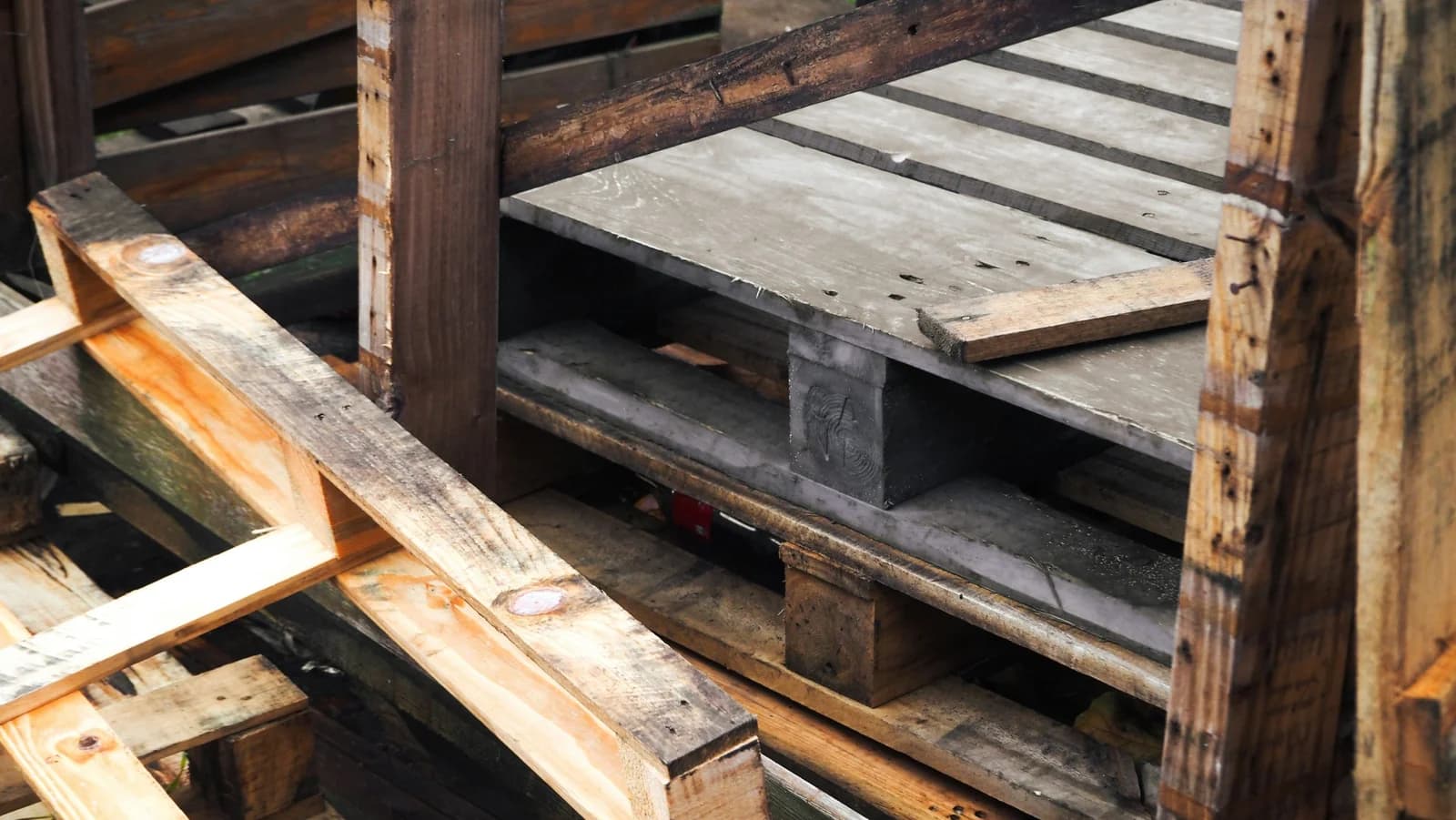
The Environmental Challenge: Reducing Waste in Supply Chains
Waste management is a top priority for logistics and sustainability managers, as companies increasingly look to reduce their environmental footprint. Wood pallets, critical in most supply chains, contribute significantly to wood waste when improperly disposed of. Fortunately, pallet buyback programs offer a sustainable solution that not only minimizes waste but also provides measurable benefits for businesses committed to eco-friendly practices.
The Impact of Wood Waste on Landfills
In the U.S. alone, millions of wood pallets are discarded annually. When pallets end up in landfills, they occupy valuable space and contribute to pollution as they slowly decompose. Consider the following statistics:
- 4.5 billion pallets are in circulation in the U.S. at any given time, with over 90% made of wood.
- Around 25% of landfill wood waste is attributed to discarded pallets, contributing to significant landfill overcrowding.
- Reusing or recycling pallets through buyback programs reduces waste by up to 70% compared to traditional disposal methods.
By addressing these staggering numbers, companies can make substantial strides in minimizing landfill contributions and aligning with sustainability goals.
How Pallet Buyback Programs Help Reduce Waste
Pallet buyback programs offer a practical, eco-friendly solution by allowing companies to sell back used or damaged pallets for refurbishment and reuse. Here’s how they work and how they benefit logistics and sustainability managers:
- Reduction in Landfill Waste
By redirecting pallets away from landfills, buyback programs reduce wood waste and free up landfill capacity. This not only conserves landfill space but also decreases the environmental toll of decomposing wood. - Lowered Resource Consumption
Refurbishing and reusing pallets significantly reduces the need for raw materials. For every pallet bought back and reused, fewer trees are cut down, preserving natural resources and lowering the demand for new wood. - Carbon Emission Savings
The production and transportation of new pallets generate considerable carbon emissions. When pallets are bought back and reused, carbon emissions drop due to the reduced need for new manufacturing and transportation, supporting corporate carbon reduction initiatives.
Financial and Operational Advantages of Buyback Programs
In addition to their environmental impact, pallet buyback programs can positively influence a company’s bottom line and operational efficiency.
- Cost Savings: Pallet buyback programs allow companies to recoup a portion of their initial pallet investment, leading to substantial cost savings over time. These programs reduce the need to continually purchase new pallets and support more efficient resource allocation.
- Streamlined Logistics: Managing used pallets through a buyback program is often easier and more predictable than arranging for disposal or recycling. Companies can coordinate regular pick ups, freeing up space and improving warehouse organization.
- Enhanced Corporate Responsibility: Participating in buyback programs shows a commitment to sustainability, which resonates with today’s environmentally conscious consumers and clients. Highlighting a zero-waste or reduced-waste policy can improve brand perception and strengthen corporate responsibility.
Contact The Pallet Squad to Implement a Sustainable Solution
A pallet buyback program is a smart way for logistics and sustainability managers to reduce waste, conserve resources, and lower costs. By choosing a trusted partner like The Pallet Squad, your company can seamlessly implement an eco-friendly pallet strategy that aligns with operational goals and sustainability commitments.
Contact The Pallet Squad today to learn more about our pallet buyback programs and start reducing landfill waste.