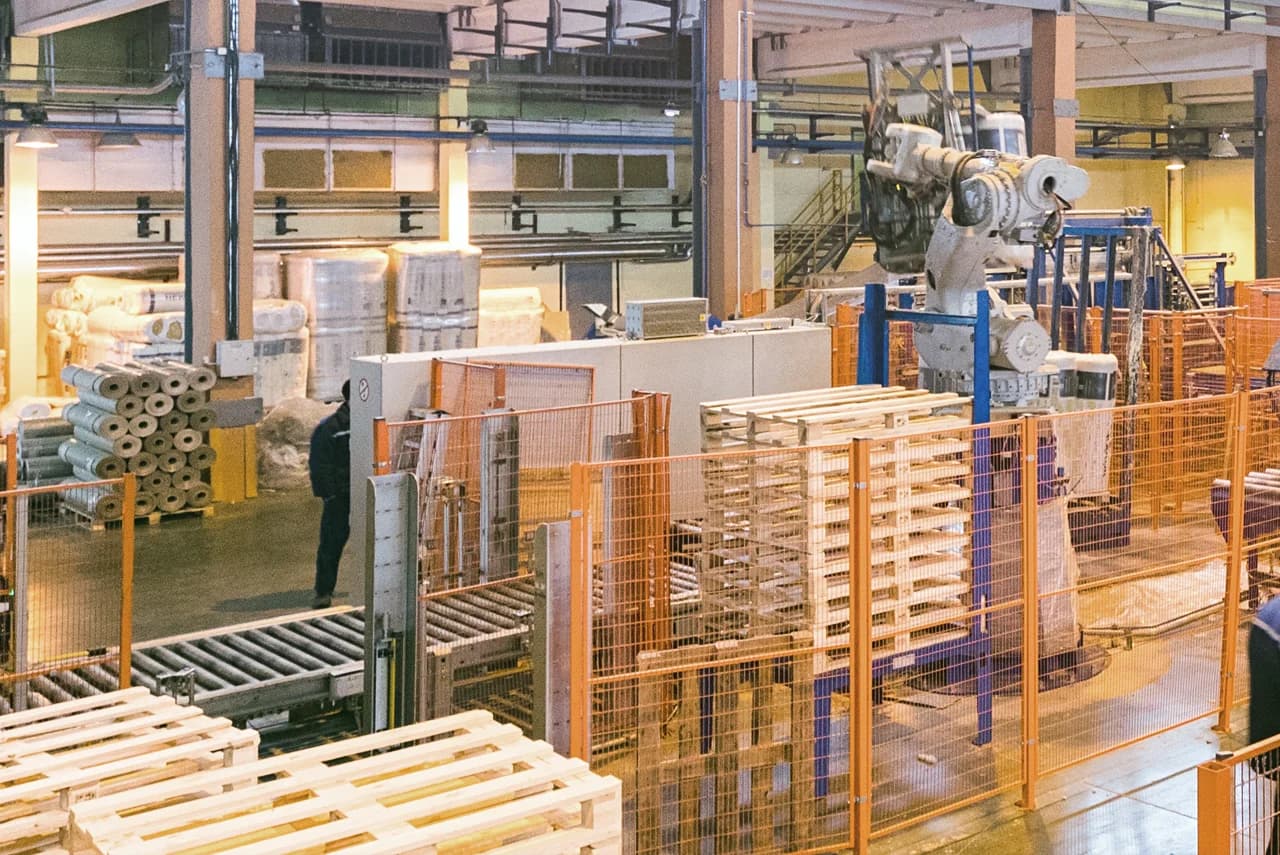
Managing pallet inventory is a crucial aspect of supply chain operations, especially for large businesses that handle significant volumes of goods. Efficient pallet inventory management can lead to substantial cost savings, reduce waste, and enhance operational efficiency. However, many businesses need help balancing having enough pallets to meet demand and avoiding excess stock that ties up valuable resources.
In this blog, we’ll explore strategies for optimizing pallet inventory management, focusing on improving efficiency and reducing costs. We’ll also share practical examples to illustrate how these strategies can be applied in real-world scenarios.
The Importance of Efficient Pallet Inventory Management
Effective pallet inventory management is more than just keeping track of the number of pallets on hand. It involves a comprehensive approach that includes forecasting demand, maintaining accurate records, optimizing storage, and regularly reviewing inventory levels. When done correctly, this can lead to several benefits:
- Cost Savings: Reducing excess pallet inventory minimizes storage costs and frees up capital that can be invested elsewhere in the business.
- Improved Efficiency: Streamlining pallet inventory processes reduces the time and labor required to manage pallets, allowing employees to focus on more critical tasks.
- Waste Reduction: Proper inventory management helps prevent pallets from becoming damaged or obsolete, reduces waste, and supports sustainability efforts.
Tips for Reducing Pallet Inventory Costs
- Implement Just-in-Time (JIT) Inventory
- The Just-in-Time inventory approach is a strategy where materials are ordered and received only as needed in production. Applying JIT principles to pallet inventory can help businesses avoid overstocking and reduce storage costs. By closely aligning pallet purchases with actual demand, companies can ensure they have the correct number of pallets when needed without holding excess stock.
- Example: A large manufacturing company in the automotive industry implemented JIT inventory for its pallet management. By working closely with suppliers to receive pallets just before production runs, the company reduced its pallet inventory by 30% and cut storage costs significantly.
- Utilize Inventory Management Software
- Investing in advanced inventory management software can give businesses real-time visibility into their pallet inventory levels. These systems can track pallet usage, monitor stock levels, and predict future needs based on historical data. With this information, businesses can make more informed decisions about when to order new pallets and how many to keep on hand.
- Example: A logistics company managing multiple warehouses integrated inventory management software into its operations. The software’s predictive analytics feature allowed the company to anticipate pallet needs more accurately, reducing excess stock by 20% and improving order fulfillment rates.
- Conduct Regular Audits
- Regular inventory audits are essential for ensuring that pallet inventory records match the actual stock on hand. These audits can help identify discrepancies, such as damaged or missing pallets and allow businesses to adjust their inventory levels accordingly. Conducting audits also provides an opportunity to reassess storage practices and optimize the use of warehouse space.
- Example: A retail distribution center conducted quarterly audits of its pallet inventory. By identifying and removing damaged pallets from circulation, the center improved its inventory accuracy and reduced the cost of storing unusable pallets.
- Optimize Storage and Handling
- Efficient storage and handling practices are crucial to lowering pallet inventory costs. Businesses should maximize available space by implementing vertical storage solutions and organizing pallets by size and type. Additionally, training employees on proper pallet handling techniques can reduce the risk of damage and prolong the lifespan of pallets.
- Example: An extensive food and beverage company optimized its pallet storage by implementing a vertical racking system. This increased storage capacity by 25% and reduced the time needed to retrieve pallets, improving overall warehouse efficiency.
- Implement a Pallet Buyback Program
- Pallet buyback programs allow businesses to sell excess or unused pallets to suppliers or recycling companies. This approach helps reduce pallet inventory and provides an additional revenue stream. Participating in a buyback program can be particularly beneficial for businesses that experience seasonal fluctuations in pallet usage.
- Example: A large e-commerce retailer partnered with a pallet recycling company to participate in a buyback program. By selling off excess pallets during slower periods, the retailer reduced inventory costs and generated additional income, which was reinvested into the business.
Avoiding Excess Pallet Stock
Excess pallet inventory can tie up valuable warehouse space and lead to unnecessary costs. To avoid this, businesses should focus on accurate demand forecasting, efficient storage practices, and regular inventory reviews. Implementing a proactive approach to pallet inventory management can help prevent overstocking and ensure that pallets are available when needed without the risk of excess.
Optimizing pallet inventory management is essential for large businesses looking to reduce costs, improve efficiency, and avoid excess stock. By implementing strategies such as JIT inventory, utilizing advanced software, conducting regular audits, and participating in pallet buyback programs, businesses can achieve a more streamlined and cost-effective approach to managing their pallet inventory.
While managing pallet inventory effectively is critical, partnering with experts like The Pallet Squad can further enhance your inventory management efforts. The Pallet Squad offers tailored solutions, including pallet buyback programs and recycling services, to help businesses optimize their pallet inventory and reduce costs.
By focusing on these best practices, your business can ensure that pallet inventory always aligns with operational needs, contributing to a more efficient and sustainable supply chain.