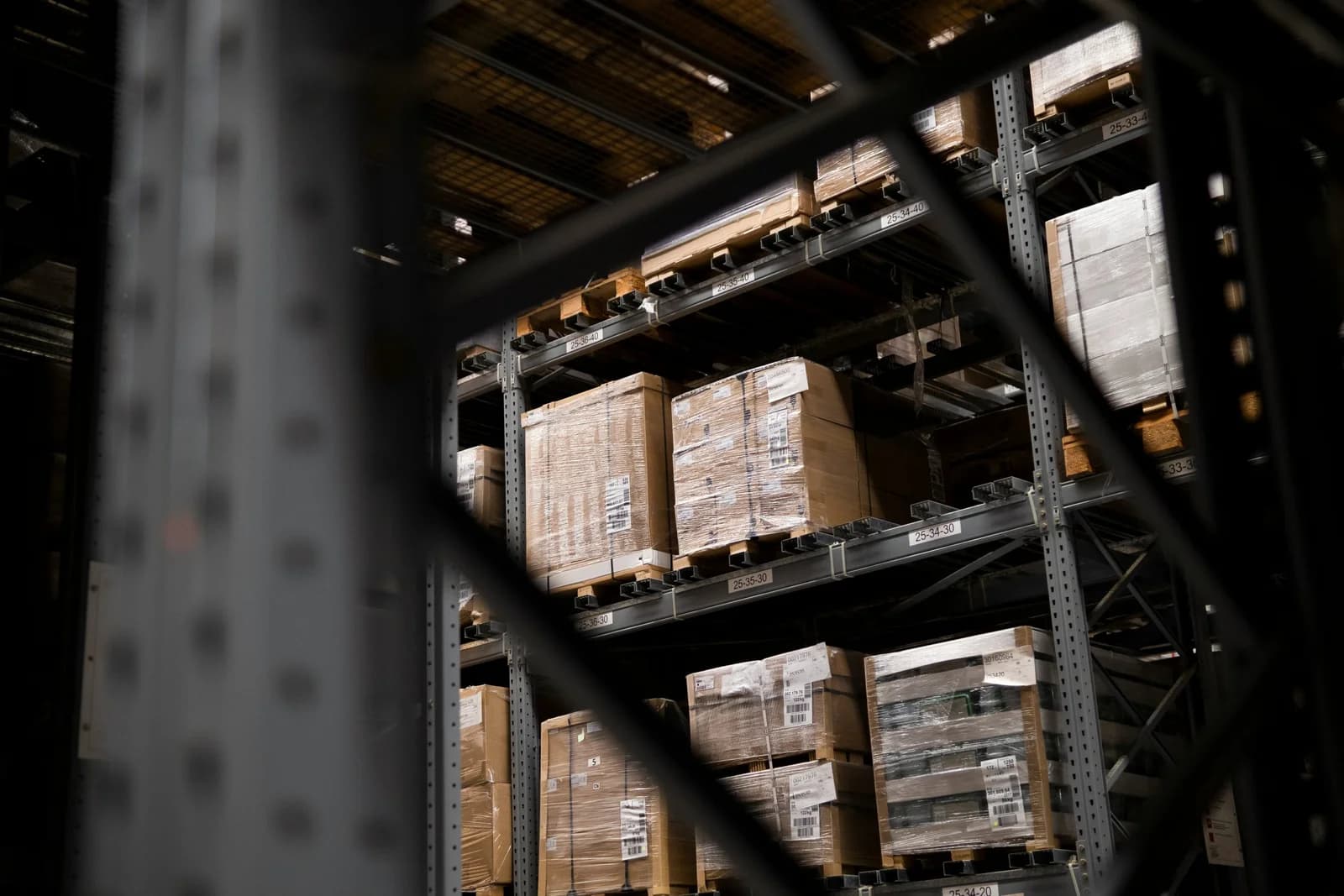
In the world of logistics, pallets are more than just a platform for moving goods—they are a strategic tool that can significantly impact the efficiency, cost-effectiveness, and sustainability of supply chain operations. With increasing global trade demands, optimizing pallet logistics is critical for businesses looking to stay competitive and meet consumer expectations.
This blog dives deep into strategies for optimizing pallet logistics, explores their role in supply chain management, and provides actionable insights for improving operations.
The Importance of Pallet Logistics
Pallets are the unsung heroes of logistics, enabling seamless movement, storage, and protection of goods. Their proper management is essential to ensure smooth supply chain operations. To understand their significance, consider these statistics:
- Global Usage: Approximately 5 billion pallets are in use globally, with wood pallets making up 90% of the market.
- Cost Savings: Efficient pallet management can reduce overall logistics costs by up to 20%, according to industry studies.
- Freight Optimization: Proper palletization can increase freight efficiency by 30%, allowing for more goods to be shipped per load.
- Environmental Impact: Pallet recycling programs contribute to a 95% reduction in waste, supporting sustainability initiatives.
Challenges in Pallet Logistics
Optimizing pallet logistics is not without challenges. Businesses must address these common issues to achieve operational efficiency:
- Inventory Management: A lack of real-time tracking can lead to shortages or overstocking of pallets.
- Durability and Maintenance: Damaged pallets can compromise product safety and disrupt workflows.
- Standardization Issues: Non-standard pallet sizes can create inefficiencies in transportation and storage.
- Sustainability Requirements: Meeting environmental regulations while maintaining cost efficiency is a growing concern for logistics managers.
Strategies for Optimizing Pallet Logistics
1. Implement Pallet Pooling Systems
Pallet pooling allows businesses to rent pallets from a shared pool, reducing costs and improving availability. Key benefits include:
- Lower capital expenditure on pallet purchases.
- Improved quality control through standardized pallet inspections.
- Reduced environmental impact by extending the lifecycle of pallets.
2. Adopt Technology for Pallet Tracking
Investing in tracking systems, such as RFID tags or IoT sensors, can improve inventory visibility and streamline operations. Benefits include:
- Real-time location tracking to prevent pallet losses.
- Enhanced data analytics for better demand forecasting.
- Faster retrieval of pallets, reducing downtime.
3. Optimize Pallet Design
Customizing pallet design based on specific product and supply chain needs can maximize load efficiency. For example:
- Lightweight pallets can reduce transportation costs.
- Heat-treated pallets meet international shipping standards, avoiding customs delays.
- Durable pallets minimize repair and replacement costs.
4. Streamline Pallet Transportation
Maximizing space utilization in trucks and warehouses can significantly impact logistics costs. Consider:
- Using standardized 48×40-inch pallets for better compatibility with transport systems.
- Employing load optimization software to calculate the most efficient pallet arrangements.
5. Partner with Pallet Management Services
Outsourcing pallet management to third-party experts can help businesses focus on core operations. Services include:
- Regular maintenance and repair of pallets.
- On-demand delivery and retrieval to meet fluctuating demand.
- Recycling and waste reduction programs for sustainability.
The Role of Pallets in Sustainability
Sustainability is no longer optional for businesses; it is a critical component of operational strategy. Pallets play a significant role in promoting green supply chains:
- Recyclability: Wood pallets are highly recyclable, with many turned into mulch or biofuel after their lifecycle ends.
- Carbon Emissions: Lightweight pallet designs reduce fuel consumption, lowering carbon footprints during transportation.
- Compliance: Heat-treated pallets ensure compliance with ISPM-15 standards, protecting ecosystems from invasive pests.
By implementing sustainable practices, businesses can align pallet logistics with broader environmental goals while reducing costs.
Case Studies: Success Stories in Pallet Logistics
Case Study 1: Retail Giant Optimizes Freight Efficiency
A leading global retailer integrated load optimization software into its pallet logistics. By reconfiguring pallet layouts, the company:
- Increased freight efficiency by 25%.
- Reduced shipping costs by $10 million annually.
- Improved on-time delivery rates by 15%.
Case Study 2: Manufacturer Reduces Waste with Pallet Pooling
A large-scale manufacturer adopted a pallet pooling system, eliminating the need to purchase new pallets. Results included:
- A 30% reduction in pallet-related expenses.
- Over 200,000 pallets recycled annually.
- Significant reductions in storage space for unused pallets.
Future Trends in Pallet Logistics
The pallet logistics industry is evolving rapidly, with several trends shaping its future:
1. Automation and Robotics
Automated systems, such as robotic palletizers and automated guided vehicles (AGVs), are transforming warehouse operations. These technologies improve accuracy, speed, and safety.
2. Advanced Materials
The development of composite and hybrid pallets offers durability and lightweight advantages, reducing shipping costs and environmental impact.
3. Data-Driven Decision Making
Big data and AI are enabling predictive analytics, helping businesses optimize pallet utilization, reduce waste, and forecast demand more accurately.
4. Circular Economy Models
Businesses are increasingly adopting circular economy principles, focusing on pallet reuse, repair, and recycling to minimize environmental impact.
Optimizing pallet logistics is a powerful way to enhance supply chain efficiency, reduce costs, and promote sustainability. By addressing challenges, adopting innovative strategies, and leveraging technology, businesses can unlock the full potential of pallet logistics.
As the backbone of modern supply chains, pallets are more than just a utility—they are a strategic asset. Businesses that prioritize pallet optimization will not only improve their bottom line but also position themselves as leaders in sustainable and efficient logistics.