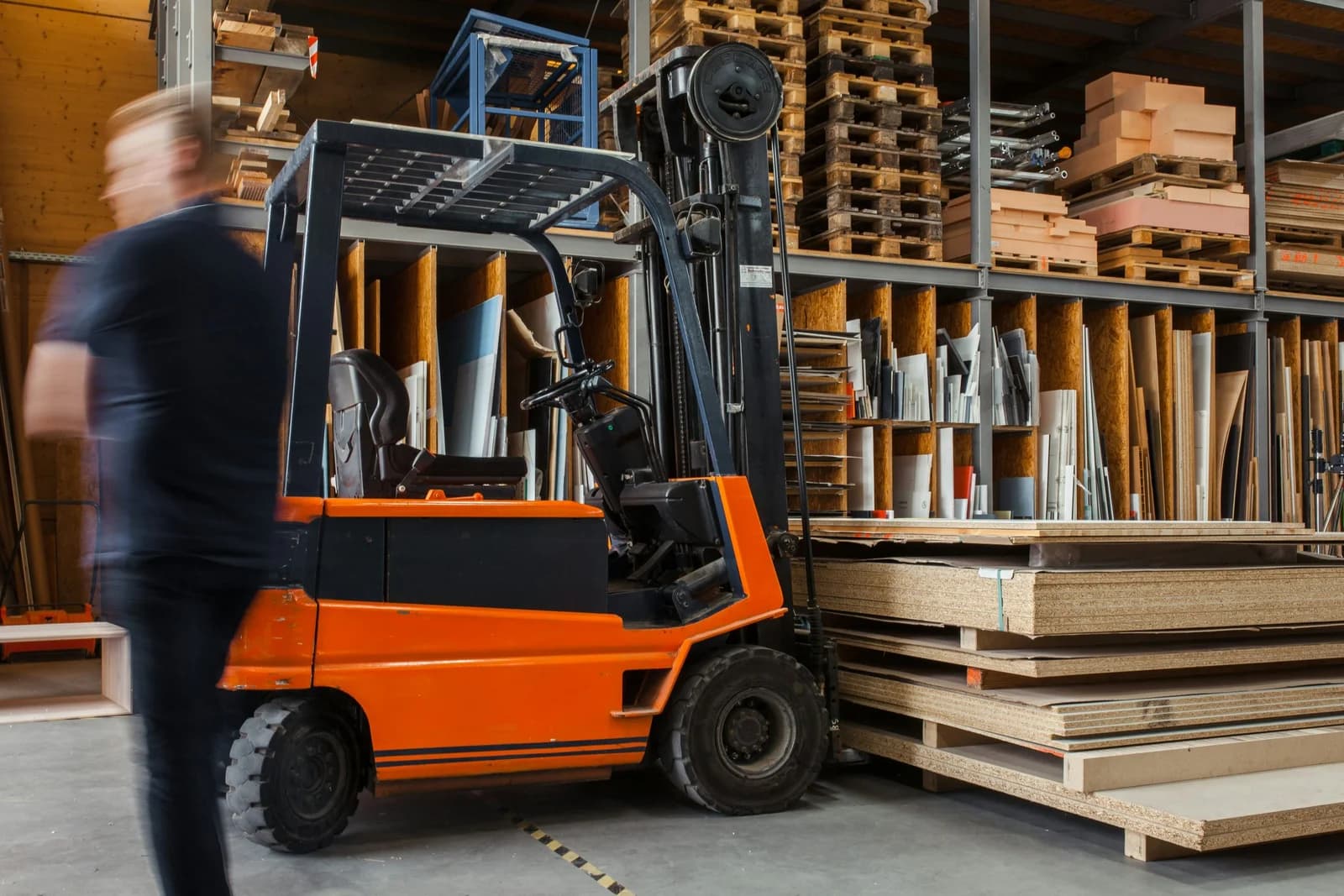
The pallet industry is a critical component of global supply chains, facilitating the efficient storage and transportation of goods across various sectors. As we progress through 2025, understanding the dynamics of the pallet market is essential for manufacturers, logistics companies, warehouse managers, and business owners. This comprehensive overview delves into current trends, supply and demand factors, and future projections shaping the pallet industry.LinkedIn
Current Market Overview
The global pallet market has experienced consistent growth in recent years. In 2024, the market was valued at approximately USD 97.07 billion and is projected to grow at a compound annual growth rate (CAGR) of about 5.7% from 2025 to 2034, reaching nearly USD 168.98 billion by 2034. This growth is driven by factors such as the expansion of e-commerce, increased automation in logistics, and the rising demand for efficient material handling solutions.Claight
In the United States, the pallet market attained a value of nearly USD 26.85 billion in 2024 and is projected to grow at a CAGR of 7.06% between 2025 and 2034, reaching around USD 53.12 billion by 2034. This robust growth underscores the increasing reliance on pallets across various industries to streamline operations and enhance supply chain efficiency.Claight
Key Drivers of Demand
Several factors are contributing to the heightened demand for pallets:
- E-Commerce Expansion: The rapid growth of online retail has necessitated efficient warehousing and distribution solutions. Pallets play a crucial role in facilitating the quick movement and storage of goods in fulfillment centers.
- Global Trade Growth: As international trade volumes increase, so does the need for standardized pallets to ensure seamless transportation of goods across borders. Pallets are indispensable in maintaining the integrity of products during transit. LinkedIn
- Supply Chain Optimization: Businesses are continually seeking ways to enhance operational efficiency. Implementing palletized systems allows for better space utilization, reduced handling time, and improved inventory management.
Supply Challenges
Despite the growing demand, the pallet industry faces several supply-side challenges:
- Raw Material Shortages: Fluctuations in lumber availability have significantly impacted pallet production. Factors such as environmental conditions, trade restrictions, and increased demand for timber in other sectors have led to supply constraints.
- Labor Shortages: The industry has been grappling with a shortage of skilled labor, affecting manufacturing and logistics operations. The COVID-19 pandemic exacerbated this issue, leading to increased competition for workers and higher labor costs.
- Transportation Disruptions: Challenges such as driver shortages, port congestion, and increased fuel costs have disrupted the timely delivery of pallets, affecting overall supply chain efficiency.
Market Trends and Innovations
The pallet industry is witnessing several notable trends:
- Rise of Recycled Pallets: Environmental concerns and cost considerations have led to an increased adoption of recycled pallets. This trend promotes sustainability and helps mitigate raw material shortages.
- Technological Advancements: The integration of tracking technologies, such as GPS and RFID, into pallets is enhancing supply chain visibility and efficiency. These smart pallets enable real-time tracking of goods, reducing losses and improving inventory management. Global Market Insights Inc.
- Shift to Alternative Materials: To address lumber shortages and durability concerns, some businesses are exploring pallets made from plastic, metal, or composite materials. These alternatives offer benefits such as longer lifespan and resistance to contamination.
Future Outlook
Looking ahead, the pallet market is poised for continued growth. The global market is expected to reach USD 93.9 billion by 2033, exhibiting a CAGR of 4% during 2025-2033. In the U.S., the market is projected to grow at a CAGR of 7.06% between 2025 and 2034. This growth will be driven by ongoing developments in e-commerce, advancements in automation, and the increasing emphasis on sustainable supply chain practices.IMARC
However, businesses must remain vigilant to potential challenges, including raw material price volatility, labor market dynamics, and geopolitical factors that could impact trade and transportation.
Recommendations for Businesses
To navigate the evolving pallet market effectively, businesses should consider the following strategies:
- Diversify Pallet Sourcing: Establish relationships with multiple pallet suppliers to mitigate risks associated with supply disruptions.
- Invest in Pallet Management Systems: Implement technologies that track pallet usage and location to optimize inventory and reduce losses.
- Explore Sustainable Options: Consider adopting recycled or alternative material pallets to enhance sustainability and reduce dependence on volatile raw material markets.
- Stay Informed: Regularly monitor market trends and forecasts to make informed procurement and operational decisions.
The pallet market is undergoing significant transformations driven by technological advancements, shifting supply chain dynamics, and evolving consumer demands. By understanding these changes and proactively adapting, businesses can ensure resilience and efficiency in their operations.
Call to Action: For tailored pallet solutions that align with your business needs, consider partnering with The Pallet Squad. Our expertise and comprehensive range of products can help you navigate the complexities of the pallet market effectively.