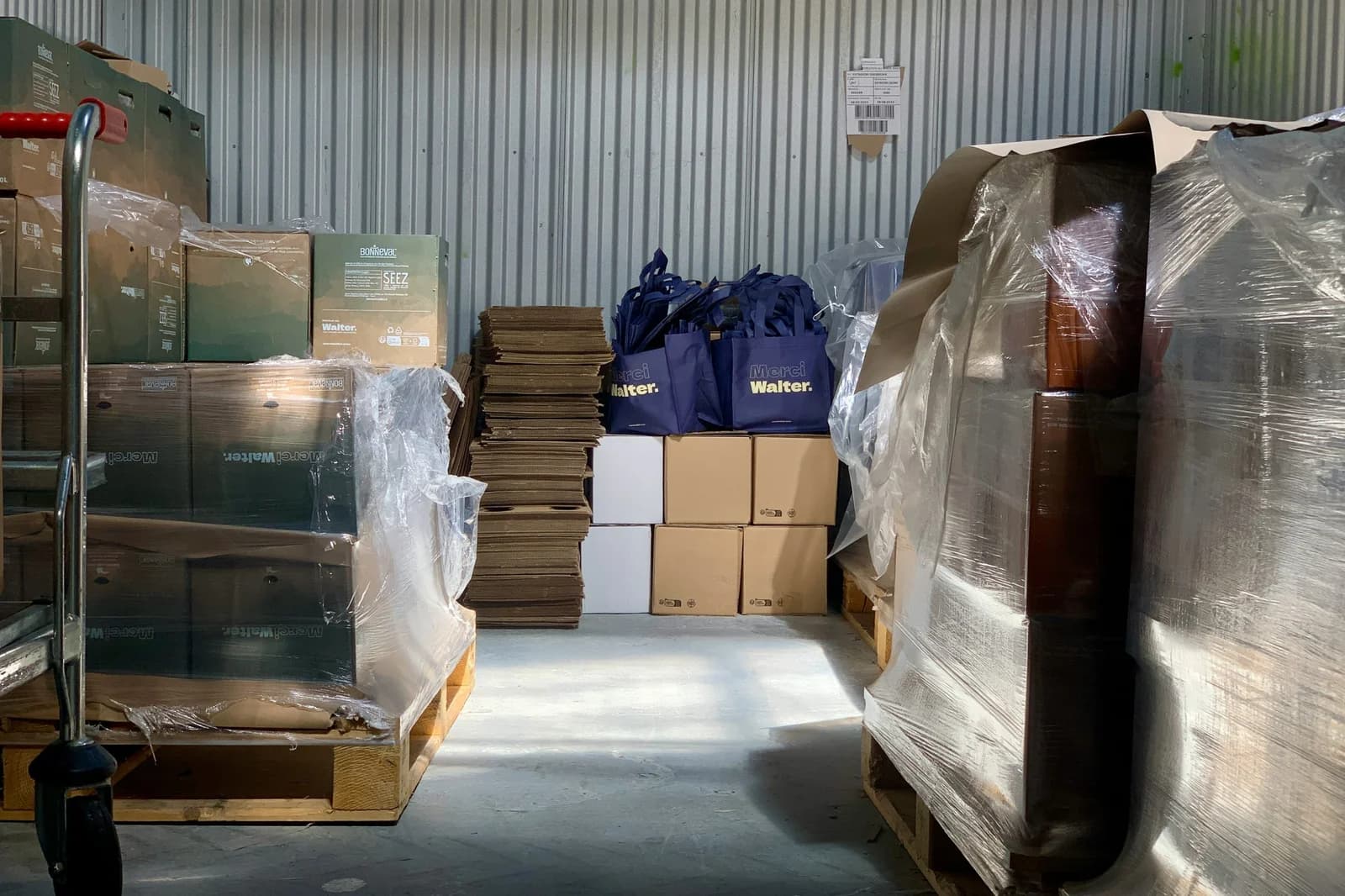
Fresh produce travels a long way before it hits the shelves—and it has to arrive in perfect condition. For farms, growers, and distributors, choosing the right pallets isn’t just about moving goods—it’s about protecting perishable products, maintaining hygiene, and streamlining logistics. With rising consumer demand for high-quality fruits and vegetables, pallets for agriculture must meet industry-specific needs like ventilation, food safety, and handling delicacy.
In this blog, we’ll explore the unique requirements for agricultural pallets and how they help ensure the safe, efficient transport of fresh produce from field to fork.
Why Pallets Matter in Agriculture
Unlike industrial or retail supply chains, agriculture deals with fragile, perishable, and often temperature-sensitive items. A poorly designed pallet can lead to:
- Bruised or damaged produce
- Moisture retention and microbial growth
- Spoiled shipments due to lack of airflow
- Costly delays or regulatory violations
That’s why specialized pallets for agriculture are designed to support the health, hygiene, and freshness of the food they carry.
Key Features of Agricultural Pallets
1. Ventilation and Airflow
Fresh fruits and vegetables need proper airflow during storage and transit to reduce heat buildup and slow spoilage. Pallets with open decks or slotted designs allow for:
- Consistent air circulation around products
- Better cooling in refrigerated environments
- Faster drying if items are stored damp from harvest
This is particularly crucial for crops like berries, leafy greens, and stone fruits that are vulnerable to heat and humidity.
2. Hygiene and Food Safety
Pallets used in agriculture must meet strict hygiene standards, especially when dealing with ready-to-eat produce. Key requirements include:
- Washable, non-porous surfaces
- Resistance to mold, bacteria, and pests
- FDA-compliant or food-grade materials
Plastic pallets are a common choice for these reasons—they’re easy to sanitize, won’t absorb liquids, and offer long-term durability in harsh farm environments.
3. Lightweight and Stackable
To keep operations efficient, agricultural pallets should be:
- Lightweight for easy handling in the field or packing house
- Nestable or stackable to maximize trailer space and reduce return trip costs
- Designed to fit standard crate sizes or agricultural bins without wasted space
4. Strength Without Rigidity
Delicate goods like tomatoes or lettuce need support—but not at the expense of shock absorption. Pallets must be strong enough to prevent sagging under the weight of crates, yet flexible enough to avoid bruising sensitive items.
Real-World Example: Vineyard Reduces Damage with Plastic Ventilated Pallets
A California vineyard transitioned from traditional wood pallets to ventilated plastic pallets for their grape harvest. The switch resulted in:
- 35% reduction in product damage
- Faster cooling post-harvest due to improved airflow
- Lower contamination risks thanks to washable pallet surfaces
Within two seasons, the vineyard recouped its investment and saw a noticeable improvement in shipping efficiency and fruit quality.
Choosing the Right Pallet for Your Produce
When selecting pallets for agriculture, consider the following:
| Feature | Why It Matters |
|---|---|
| Ventilation | Keeps produce cool and reduces spoilage |
| Washability | Prevents contamination and meets food safety standards |
| Durability | Handles field conditions and multiple trips |
| Size Compatibility | Ensures secure, stable stacking of crates |
It’s also wise to work with pallet suppliers who understand seasonal fluctuations, harvest timelines, and crop-specific handling needs.
Final Thoughts: Freshness Starts with the Right Foundation
In agriculture, getting fresh produce to market isn’t just about speed—it’s about care. Pallets may seem like a small detail, but they play a huge role in keeping your harvest safe, clean, and intact. By investing in the right pallet solution, you protect your product, meet industry standards, and build a more efficient and sustainable operation.
Whether you’re shipping lettuce across the state or exporting avocados overseas, make sure your pallets are up to the task.