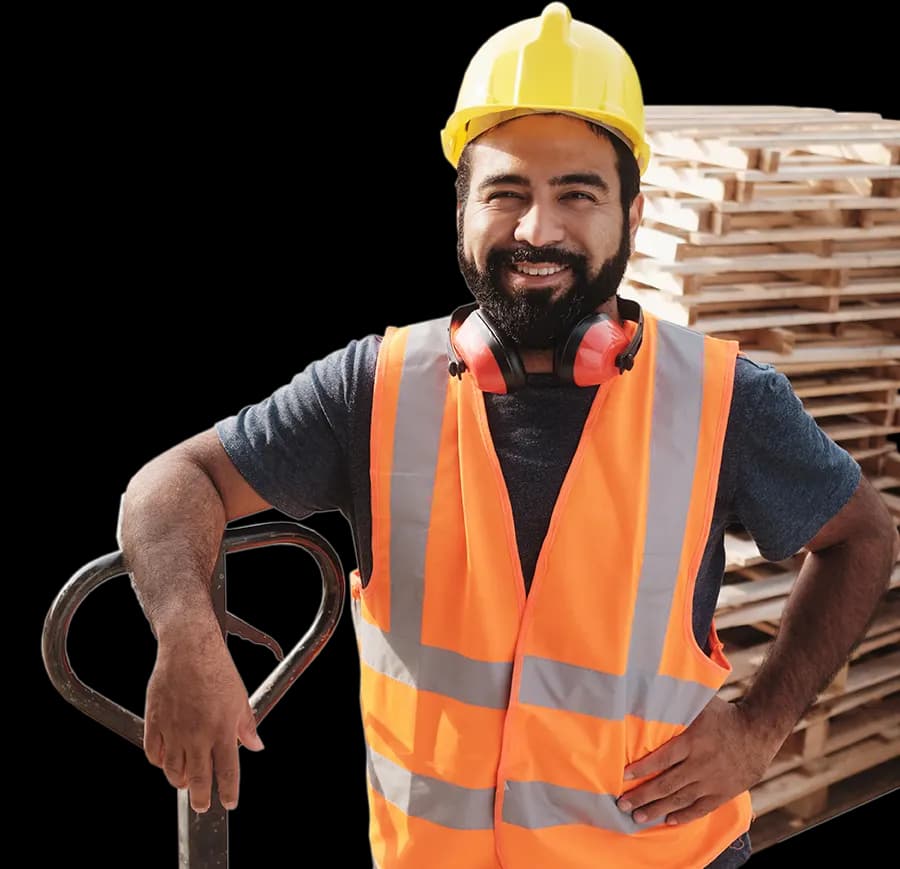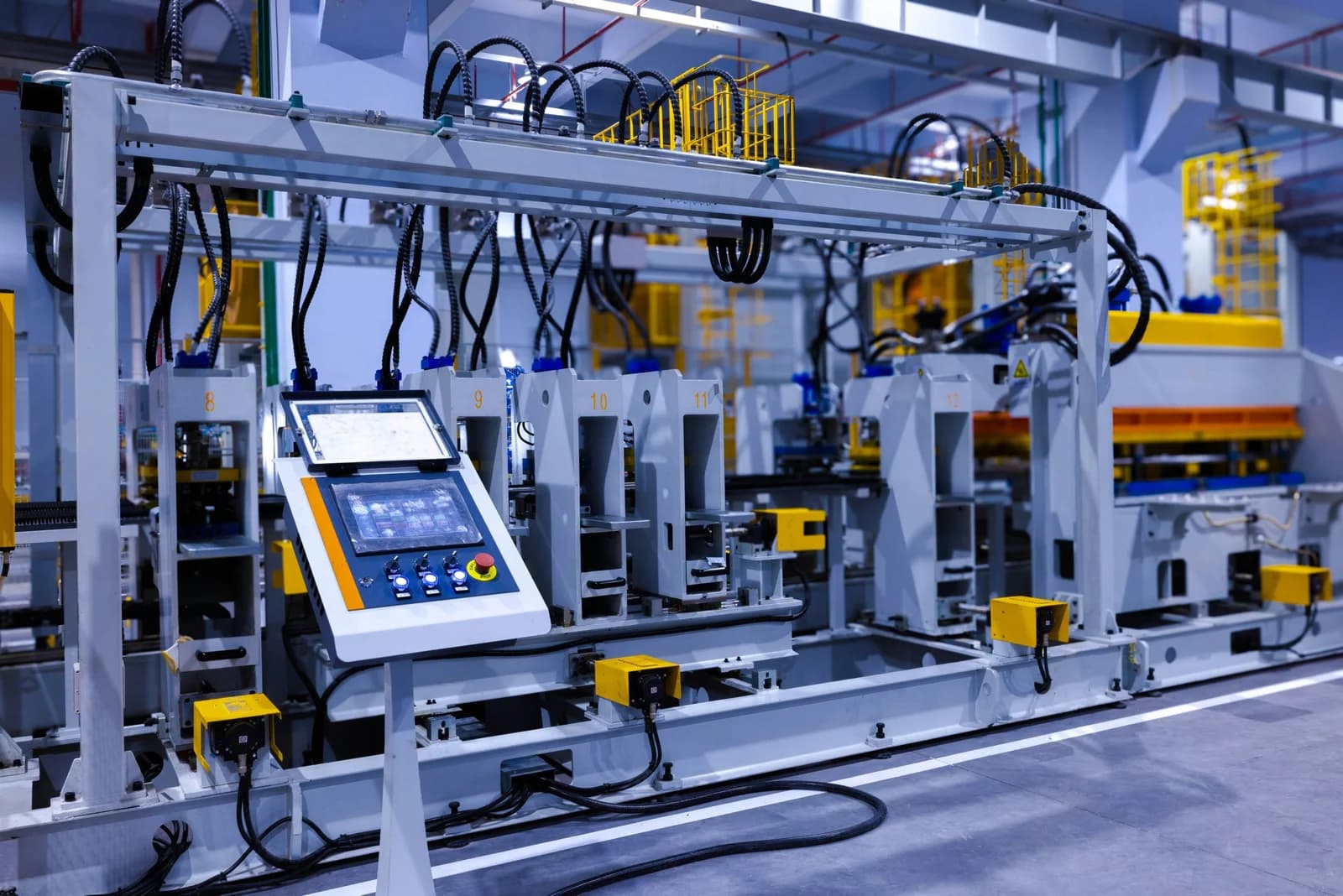
In manufacturing, pallets are more than just platforms for moving goods. They are critical tools that directly impact workplace safety, operational efficiency, and regulatory compliance. The right pallet strategy can reduce downtime, lower costs, and help manufacturers meet stringent industry standards.
For B2B buyers, understanding how pallets fit into the bigger picture of manufacturing operations is essential.
Why Pallets Are Crucial in Manufacturing
Manufacturing facilities face unique supply chain challenges compared to retail or eCommerce:
- High volumes of heavy goods that require durable load-bearing platforms.
- Strict safety requirements to protect workers on the floor.
- Regulatory standards tied to domestic and international shipping.
- Continuous movement of raw materials, parts, and finished products.
With the right pallet program, manufacturers can improve both performance and compliance across their entire operation.
Improving Safety with Pallets
Workplace safety is a top concern in manufacturing, and pallets play a key role.
- Durability Matters: Poor-quality pallets can splinter, break, or collapse under heavy loads, leading to accidents.
- Standardization Reduces Risk: Consistent pallet sizes ensure forklift operators handle loads predictably, minimizing tipping hazards.
- Ergonomic Design: Lightweight plastic or composite pallets reduce strain on workers during manual handling.
According to OSHA, improper material handling is one of the leading causes of workplace injuries. Choosing the right pallets directly reduces these risks.
Boosting Efficiency in Manufacturing Operations
Efficiency in manufacturing comes down to speed and consistency—and pallets directly influence both.
- Standardized Pallets = Faster Loading: With uniform sizes, automated systems and forklifts can operate seamlessly.
- Custom Pallets for Specialized Equipment: Manufacturing often involves oversized or irregular products. Custom pallet solutions ensure secure transport without wasted space.
- Longer Lifespan = Lower Costs: Durable pallets reduce replacement frequency, saving both money and time.
A 2022 Modern Materials Handling study found that pallet standardization increased warehouse throughput by 20% in manufacturing environments.
Meeting Compliance Requirements
Manufacturers must often adhere to strict regulations—especially those exporting goods internationally.
- ISPM-15 Heat-Treated Pallets: Required for all wood pallets crossing international borders to prevent pest transfer.
- FDA or USDA Standards: For food and beverage manufacturers, pallets must be compliant with hygiene and food safety regulations.
- Sustainability Compliance: Many manufacturers face pressure to meet corporate ESG goals. Recyclable or reusable pallet programs help meet these standards.
Non-compliance can lead to costly delays, rejected shipments, or even fines. Having the right pallet program eliminates these risks.
Case Example: A Manufacturer Streamlines Operations
A Northwest-based auto parts manufacturer struggled with inconsistent pallet sizes from multiple vendors. This caused:
- Frequent forklift accidents
- Longer loading times
- Non-compliance fines for export shipments
By consolidating with a single supplier offering standardized, heat-treated pallets, they:
- Reduced load time by 15%
- Cut workplace accidents by 25%
- Eliminated compliance-related fines entirely
The ROI was immediate, with savings of $250,000 annually.
Why The Pallet Squad is the Manufacturing Partner You Need
At The Pallet Squad, we specialize in pallet solutions designed for the unique demands of manufacturing operations. Our offerings include:
- Standard and custom-sized pallets
- ISPM-15 heat-treated pallets for export
- Recycled and eco-friendly pallet options
- Bulk ordering with fast local delivery
We help manufacturers improve safety, boost efficiency, and stay compliant—while saving money in the process.
👉 Contact The Pallet Squad today to optimize your pallet program for manufacturing success.