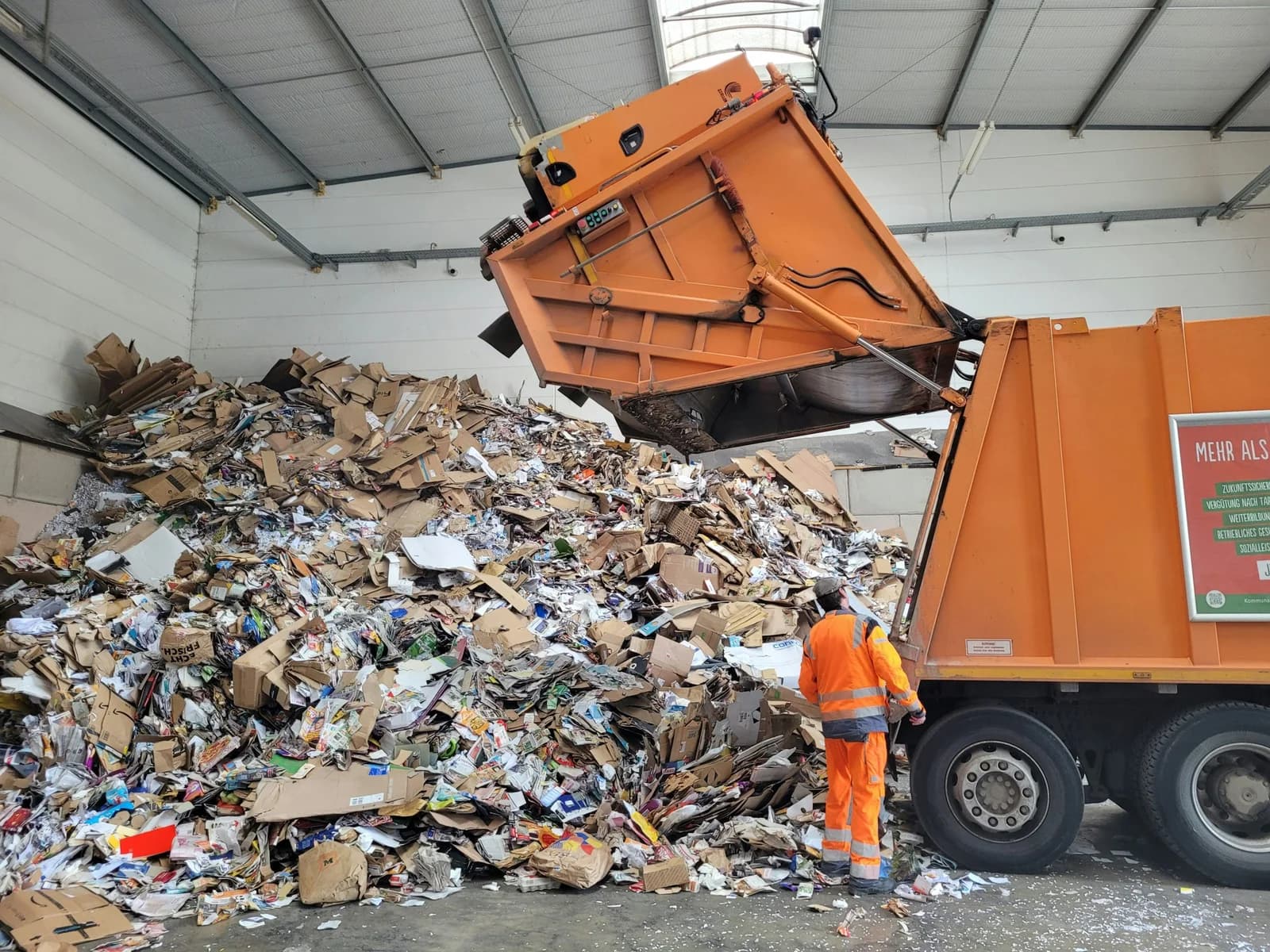
As businesses increasingly focus on sustainability, landfill diversion has become a critical component of waste management strategies. Landfill diversion refers to redirecting waste from landfills to more sustainable alternatives, such as recycling or repurposing. One area where businesses can make a significant impact is by recycling used pallets. These often-overlooked items are a key contributor to landfill waste, but proper recycling practices can play an essential role in reducing environmental impact.
Why Landfill Diversion Matters
Landfills are one of the largest sources of methane emissions, a potent greenhouse gas contributing to climate change. Also, landfills occupy vast amounts of land, disrupt local ecosystems, and potentially contaminate soil and groundwater. By diverting waste from landfills, businesses can reduce their environmental footprint, lower waste management costs, and contribute to a more sustainable future.
Key Statistics on Landfill Diversion and Pallet Recycling:
- Methane Emissions: Landfills account for 15% of methane emissions in the U.S., contributing significantly to global warming.
- Wood Waste: Wood waste, including pallets, makes up about 8.8% of total landfill waste in the U.S.
- Recycling Impact: Recycling wood pallets can reduce CO2e emissions by approximately three metric tons per ton of wood recycled.
- Landfill Space: Every ton of wood recycled rather than landfilled conserves about 3.3 cubic yards of landfill space.
The Impact of Recycling Used Pallets
Recycling used pallets is a powerful way to enhance landfill diversion efforts. Wood pallets are a staple in logistics, warehousing, and manufacturing, but when discarded, they often end up in landfills. However, pallets are highly recyclable and can be repurposed into new pallets, mulch, animal bedding, or biofuel.
Case Study: Large Retail Chain’s Pallet Recycling Program
A well-known retail chain in the U.S. implemented a comprehensive pallet recycling program across its distribution centers. Previously, the company had sent many pallets to landfills due to damage or excess supply. By partnering with a recycling service, the company could divert over 80% of its pallet waste from landfills within the program’s first year.
This initiative significantly reduced the company’s waste management costs and led to a reduction of over 10,000 metric tons of CO2e emissions annually. The recycled pallets were repurposed into mulch for landscaping and biofuel, contributing to a circular economy and supporting the company’s sustainability goals.
How Businesses Can Boost Landfill Diversion Through Pallet Recycling
- Implement a Pallet Recycling Program: Establish a system for collecting and recycling used pallets in-house or through a third-party service.
- Regular Audits: Conduct regular audits of your pallet inventory to identify opportunities for recycling and reduce waste.
- Education and Training: Educate employees on the importance of recycling used pallets and provide training on handling and storage to minimize damage.
- Partnerships: Partner with recycling companies specializing in wood pallets to ensure that your used pallets are repurposed efficiently.
Landfill diversion is a critical component of modern waste management, and recycling used pallets plays a significant role in this effort. By implementing effective recycling programs, businesses can reduce their environmental impact, conserve landfill space, and contribute to a more sustainable future. As we continue to prioritize sustainability, the role of pallet recycling in landfill diversion will only become more critical.