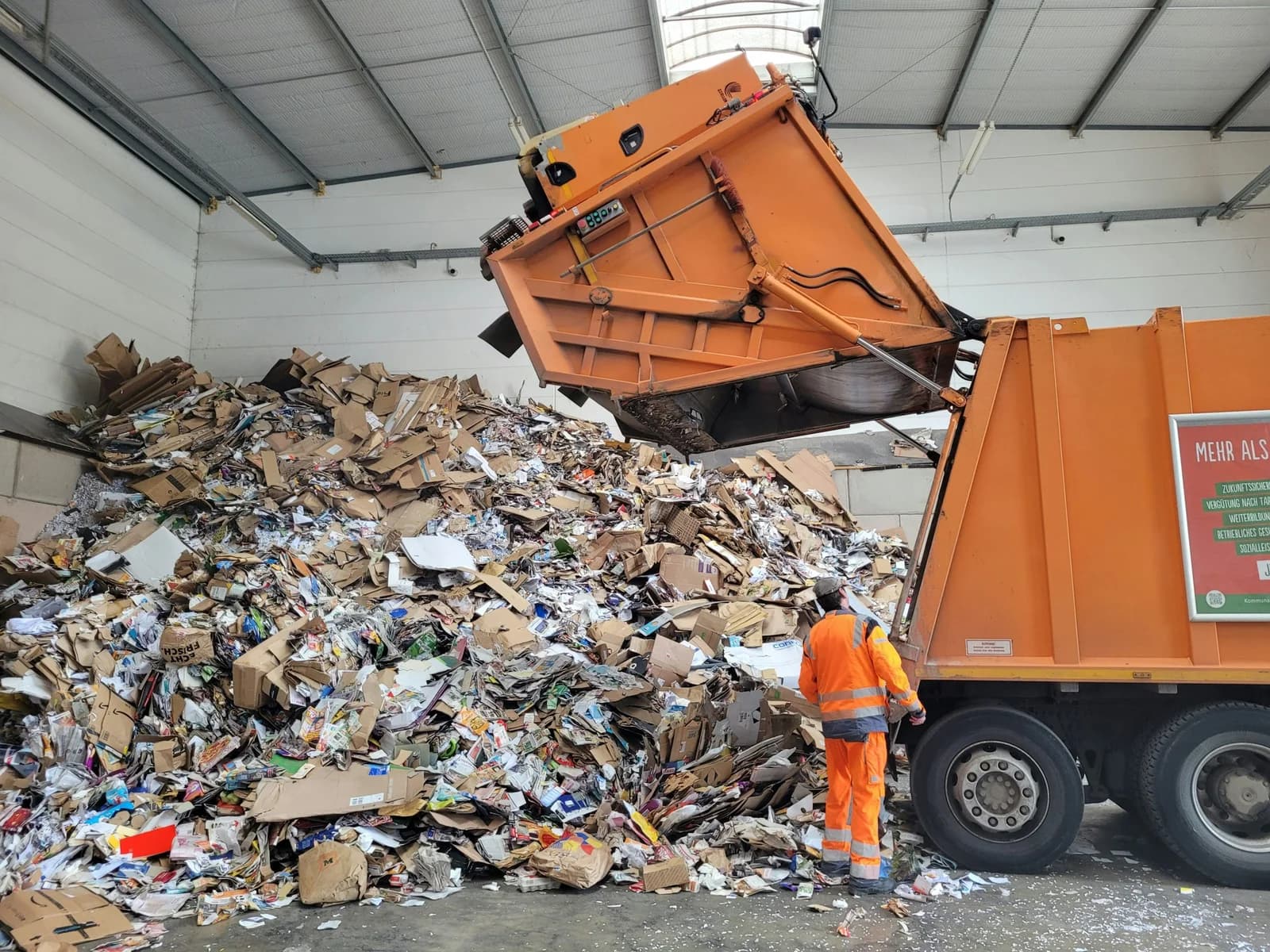
In the U.S., about 2 billion wood pallets are in use at any given time, and while many are reused, a significant portion eventually needs disposal or recycling. Proper recycling can make a considerable environmental impact—every ton of wood pallets recycled keeps approximately 2.5 cubic yards of waste out of landfills, reducing environmental burdens and helping companies align with sustainable practices. For logistics managers, finding effective ways to handle and recycle pallets is not only a sustainable choice but a smart business decision that can prevent regulatory fines and enhance the company’s environmental profile.
Steps for Recycling Wood Pallets: Ensuring Compliance and Sustainability
Recycling wood pallets involves more than just discarding used ones—it requires a strategy that considers environmental regulations, efficient logistics, and opportunities for reuse. Here are the key steps to recycling wood pallets properly:
- Assess Reusable Pallets: Not all pallets require disposal. Many wood pallets can be reused several times before they reach the end of their lifespan. By assessing pallets for damage, businesses can determine if repairs or minor refurbishments will extend their usability, reducing waste and lowering costs.
- Segregate Pallets for Recycling: Not all wood pallets are created equal. Separate pallets that are broken beyond repair from those that may be refurbished or repurposed. This step ensures that recyclable wood is collected and processed separately, reducing contamination in the recycling stream and simplifying the recycling process.
- Partner with a Reliable Recycling Facility: Not every recycling facility accepts wood pallets, and those that do may have different processes. Partnering with a recycling facility that handles wood products specifically ensures that pallets are properly processed, whether they’re turned into mulch, repurposed into new products, or even converted into biofuel.
- Document Environmental Compliance Efforts: Proper documentation is essential for regulatory compliance. Ensure that all recycling activities are recorded, including the volume of pallets recycled, the recycling facility’s certifications, and any environmental benefits associated with the process. This documentation can serve as valuable evidence of your company’s environmental initiatives and compliance with waste management regulations.
Third-Party Recycling Solutions: Simplifying Pallet Disposal with The Pallet Squad
For many large businesses, managing pallet recycling internally can be overwhelming, especially when handling high volumes. Partnering with a third-party recycling service can alleviate much of this burden. Companies like The Pallet Squad offer comprehensive recycling solutions, including drop-off trailers and hauling services, which streamline the pallet disposal and recycling process.
How a Drop-Off Trailer and Hauling Service Works
With a drop-off trailer and hauling service, The Pallet Squad provides an on-site trailer that serves as a designated collection point for your pallets. Here’s how the service can benefit logistics managers:
- Space Optimization: Instead of using valuable warehouse or yard space to store used pallets, a drop-off trailer offers a dedicated area for pallet collection. Once the trailer is full, The Pallet Squad will transport it, taking care of the hauling and ensuring that the pallets reach a certified recycling facility.
- Regulatory Compliance: The Pallet Squad’s service includes documentation that verifies the recycling of wood pallets in accordance with environmental regulations, providing an added layer of compliance assurance for large businesses.
- Cost Efficiency: By consolidating pallet collection and disposal with a third-party service, businesses reduce labor costs associated with in-house recycling management. Furthermore, The Pallet Squad’s streamlined process helps minimize logistical headaches, freeing up time and resources for other critical operations.
Best Practices for Wood Pallet Recycling
For large businesses, adopting a set of best practices helps ensure compliance and environmental responsibility in pallet recycling efforts:
- Implement a Pallet Audit Program: Regularly inspect pallets to determine which ones are reusable, repairable, or in need of recycling. This program reduces waste, cuts costs, and keeps reusable pallets in circulation for longer.
- Establish Recycling Goals and Track Progress: Set tangible goals for pallet recycling within the company and monitor progress over time. By tracking metrics like the number of pallets recycled and the environmental benefits achieved, businesses can measure the impact of their efforts and identify areas for improvement.
- Use ISPM-15 Compliant Pallets for International Shipments: The International Standards for Phytosanitary Measures No. 15 (ISPM-15) requires wood pallets used in international shipping to be heat-treated or fumigated to prevent the spread of pests. This compliance step is crucial to prevent international shipment issues and ensure that pallets are eligible for cross-border reuse.
- Educate Staff on Recycling Protocols: Engage warehouse staff, logistics teams, and sustainability officers on pallet recycling protocols. When employees understand the benefits and requirements of pallet recycling, compliance, and efficiency naturally improve, and recycling goals become easier to achieve.
Environmental Impact of Pallet Recycling for Large Businesses
Recycling wood pallets not only reduces waste but also minimizes the demand for new timber, helping to conserve natural resources. By partnering with a third-party recycling provider like The Pallet Squad, large businesses can achieve an impactful reduction in their carbon footprint and show a commitment to sustainable practices. Additionally, recycling efforts positively influence public perception, enhancing a company’s reputation as environmentally responsible—a valuable asset for big businesses with high visibility.
Ready to Optimize Your Pallet Recycling? Contact The Pallet Squad
Proper wood pallet recycling is more than an environmental effort—it’s a strategy for compliance, operational efficiency, and sustainability. By implementing a recycling strategy that includes partnerships with reliable service providers, large businesses can streamline pallet management and focus on what they do best. Contact The Pallet Squad today to learn more about their drop-off trailer and hauling services and discover how easy it can be to implement an effective, compliant recycling solution.