Reselling pallets can be a profitable business if you know what to look for before selling to a pallet buyer. Whether you’re a business looking to offload surplus pallets or an individual collecting and flipping used pallets, understanding what buyers expect can help you get the best price while streamlining the process.
This guide will cover everything you need to know about reselling pallets, including pallet quality, bulk sales, logistics, pricing, and how to choose the right buyer.
1. Understanding What Pallet Buyers Look For
Not all pallets are equal in value. Before selling, consider these key factors:
1.1 Pallet Size and Standardization
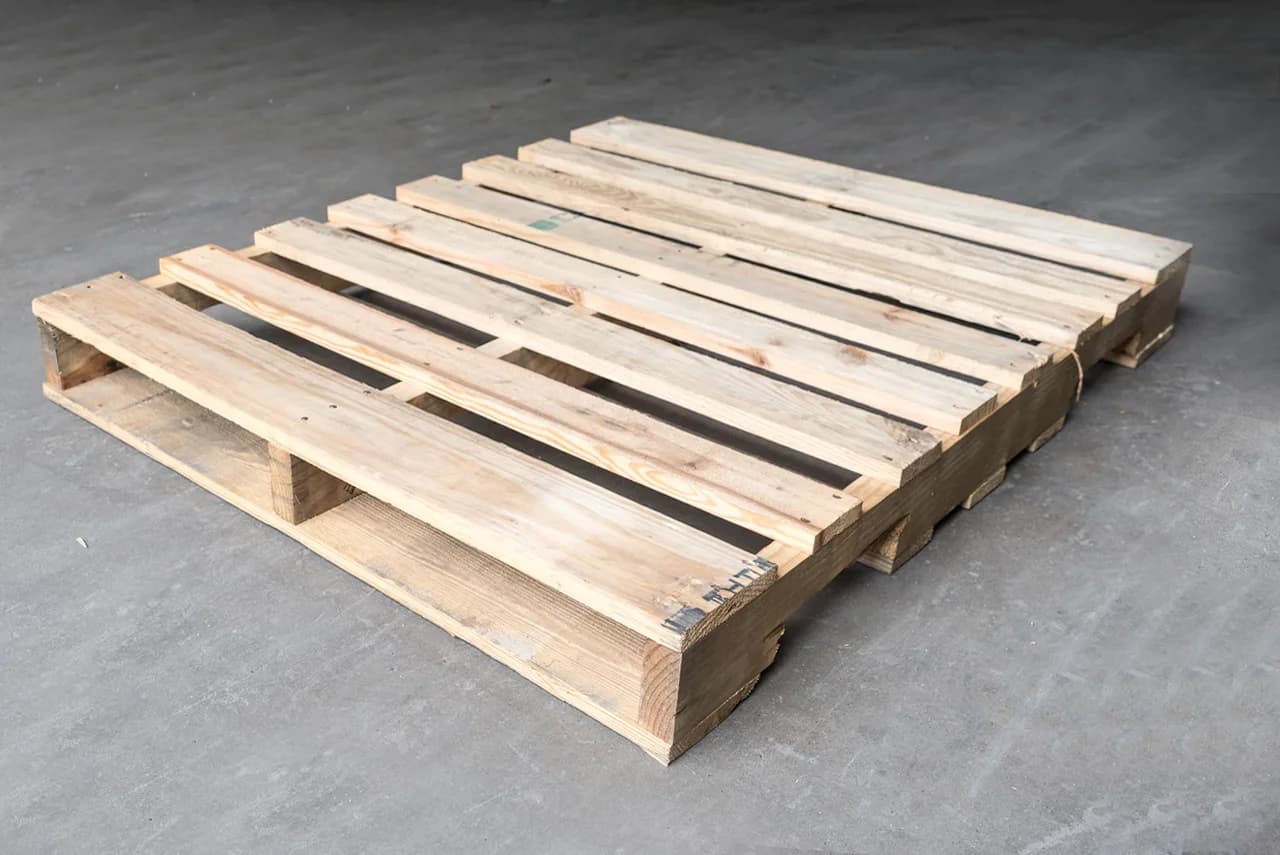
Most pallet buyers prioritize the 48×40 GMA pallet, the standard size used in shipping and logistics. These pallets are:
- In high demand across industries
- Easier to resell due to their standardized size
- More valuable compared to odd-sized or custom pallets
While some buyers may accept other sizes, sticking to standard pallets will increase your chances of securing a sale.
1.2 Condition and Repairability
Buyers are looking for pallets that are in good condition or can be easily repaired. Here’s how condition affects pricing:
- Grade A Pallets – These are in excellent shape, with minimal wear, no major repairs, and all boards intact.
- Grade B Pallets – These have been repaired or have minor damage, such as a replaced board or stringer. They’re still usable but fetch a lower price.
- Broken or Unusable Pallets – Many buyers will reject severely damaged pallets unless they offer a recycling program.
Keeping pallets dry, clean, and free of contamination (like chemicals or spills) ensures they remain valuable.
1.3 Bulk Quantities and Consistency
Buyers prefer to work with sellers who can provide consistent quantities of pallets. The more pallets you have, the more likely a buyer will:
- Offer bulk pricing
- Arrange pick up services
- Prioritize your supply in their purchasing process
While some buyers may accept smaller loads, most prefer sellers who can regularly supply 100+ pallets per pick up.
2. Logistics: Transporting and Storing Pallets for Resale
Handling the logistics of pallet reselling is crucial for maximizing profits.
2.1 Proper Storage to Maintain Value
Store pallets in a dry, well-ventilated area to prevent water damage and mold. If stacking outdoors:
- Use a tarp to cover them from rain
- Elevate them off the ground to prevent moisture absorption
- Keep them organized by size and condition for easier loading
2.2 Transporting Pallets to Buyers
Pallet buyers often expect sellers to deliver pallets unless they offer a pick up service. Consider the following options:
- Drop Trailers – Some buyers provide on-site trailers that you can load at your convenience.
- Freight and Trucking – If selling in bulk, using a flatbed or box truck can cut down on transportation costs.
- Local Drop-Offs – If selling smaller loads, you may need to drop pallets off at a designated warehouse or recycling facility.
3. Pricing: How to Get the Best Deal When Reselling Pallets
Understanding pricing factors can help you negotiate better rates when selling pallets.
3.1 Factors That Affect Pricing
Pallet prices fluctuate based on:
- Pallet condition – Grade A pallets fetch higher prices than Grade B.
- Market demand – When demand is high, pallet prices increase.
- Volume per sale – The more pallets you can provide, the better your bulk pricing.
- Local vs. National Buyers – National buyers often offer higher prices and structured payments compared to smaller, local pallet recyclers.
3.2 How to Avoid Undervaluing Your Pallets
- Compare multiple buyers to find the best offer.
- Stay informed about current pallet market prices in your area.
- Negotiate bulk rates if you have a high, consistent supply.
4. Choosing the Right Pallet Buyer
Not all buyers offer the same terms, so it’s important to vet your options.
4.1 Local vs. National Buyers
| Feature | Local Pallet Buyer | National Pallet Buyer |
|---|---|---|
| Pricing | Often lower, varies widely | Competitive and consistent |
| Pick Up Services | Rare, may require drop-off | Drop trailer & scheduled pick ups |
| Bulk Demand | May not take large loads | Prefers high-volume sellers |
| Reliability | Can be inconsistent | Long-term partnership potential |
If you’re reselling pallets in large quantities, working with a national pallet buyer can help secure better pricing, logistics support, and a steady sales pipeline.
4.2 Signs of a Reliable Pallet Buyer
- Clear pricing structure with no hidden fees
- Flexible pick up and transportation options
- Reputation for fair and timely payments
- Sustainability programs for recycling unusable pallets
5. Maximize Your Profit When Reselling Pallets
To succeed in the pallet reselling business, follow these best practices:
✅ Stick to standard pallet sizes (48×40 GMA)
✅ Ensure pallets are dry, clean, and repairable
✅ Sell in bulk whenever possible
✅ Find a buyer that offers convenient logistics solutions
✅ Negotiate better rates based on volume and consistency
Sell Your Used Pallets to a Trusted National Buyer
If you’re looking to resell pallets efficiently and profitably, work with a trusted national pallet buyer. Contact The Pallet Squad nationwide to sell used pallets and get the best pricing, logistics, and reliability.