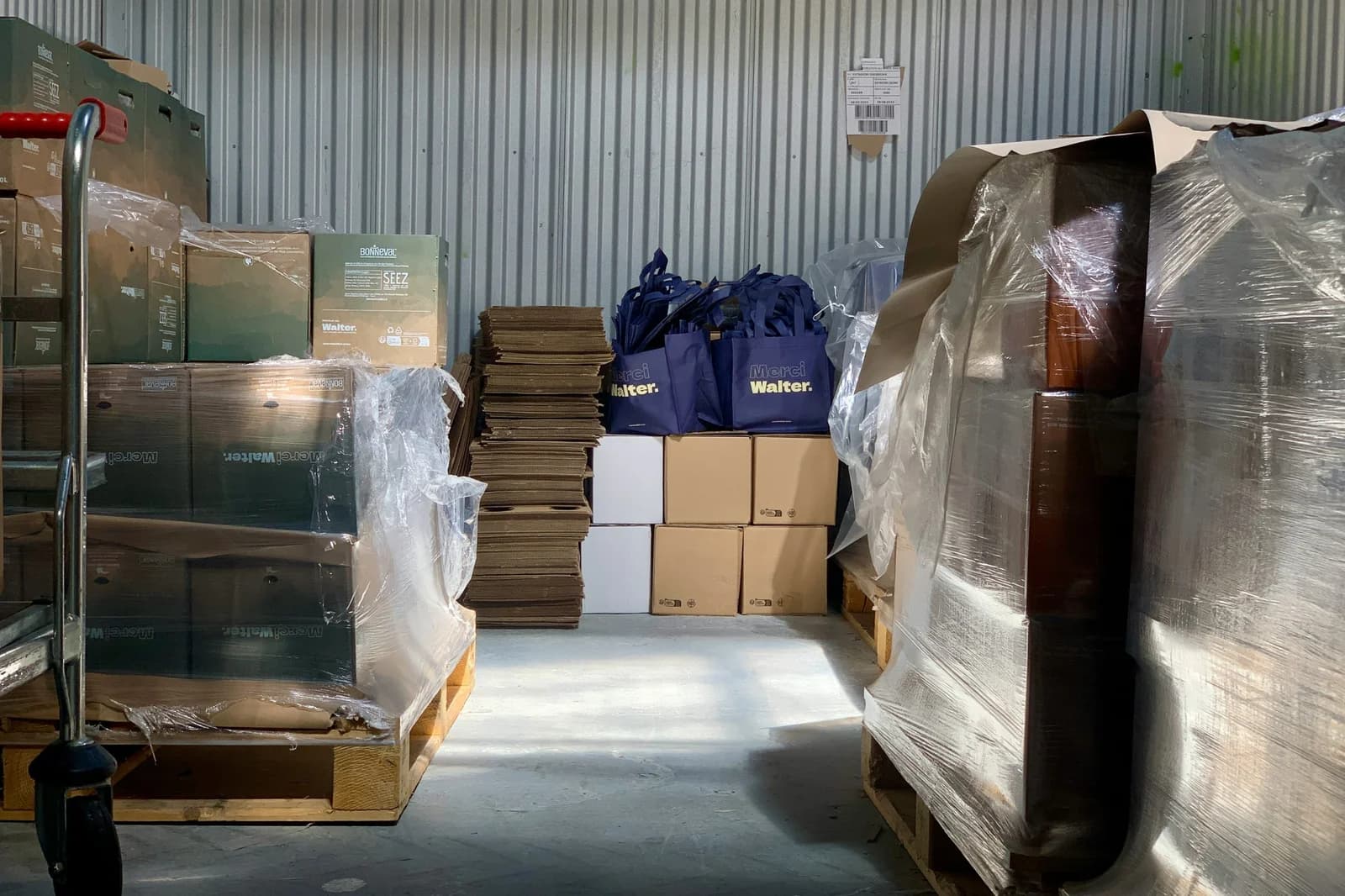
In the fast-paced world of manufacturing, maintaining an efficient supply chain is essential to meeting production and distribution demands. Large-scale distribution centers that manage high-volume shipments, sometimes on a daily basis, rely heavily on pallets to keep operations running smoothly. But how many pallets does a large manufacturing company actually need each week? Let’s dive into the numbers to understand the demand, and see how the right supply of pallets supports inventory efficiency and supply chain pallet needs.
Key Statistics on Pallet Needs in Manufacturing
The exact number of pallets a company needs varies based on the industry, distribution scale, and shipment volume. Here are some insightful statistics about pallet demand in manufacturing:
- Manufacturing facilities use over 400 million pallets in active circulation across the U.S., with large companies using thousands weekly.
- For companies with high-frequency shipments, pallet turnover rates can reach 100–200 pallets per day, depending on seasonal demand.
- In major manufacturing industries, each large distribution center typically requires 5,000–10,000 pallets in stock weekly to handle inventory rotation and ensure efficient operations.
These figures reflect the substantial role pallets play in maintaining smooth supply chain logistics and preventing delays.
How Weekly Pallet Requirements are Calculated
Determining weekly pallet needs depends on several factors specific to a company’s logistics framework. Here are some key variables that logistics managers typically consider:
- Inventory Turnover Rate
In high-volume operations, inventory turnover rates are often high, meaning products are constantly moving in and out of storage. High turnover rates lead to increased pallet demand as goods need to be readily available for shipping. - Shipment Frequency and Load Size
Large manufacturing companies that dispatch multiple shipments daily need a steady pallet supply to load and move goods efficiently. For these businesses, consistent pallet availability can mean the difference between a smooth workflow and costly delays. - Seasonal or Variable Demand
Some manufacturing sectors experience seasonal demand fluctuations, requiring a flexible approach to pallet inventory. During peak seasons, companies may need to scale up pallet availability to keep pace with increased shipping volume.
Benefits of Meeting Optimal Pallet Demand
Ensuring that a sufficient number of pallets are available for use each week is essential for maintaining efficiency and preventing supply chain issues. Here’s how having a steady pallet supply benefits large manufacturing companies:
- Enhanced Productivity: Adequate pallet availability reduces wait times, minimizes bottlenecks in loading and unloading, and ensures goods can move seamlessly through the supply chain.
- Reduced Risk of Stock Shortages: When pallet supply aligns with demand, companies experience fewer disruptions, reducing the risk of stock shortages and improving overall inventory management.
- Cost Savings: By avoiding rushed or last-minute pallet purchases, companies can lower costs and focus on maintaining a more cost-effective inventory of pallets.
Contact The Pallet Squad to Meet Your Supply Chain Pallet Needs
For large manufacturing companies, managing pallet demand is vital for achieving operational efficiency. The Pallet Squad offers reliable solutions to help you meet your weekly pallet needs and keep your supply chain on track.
Contact The Pallet Squad today to discuss how we can help your company optimize pallet inventory and streamline logistics.