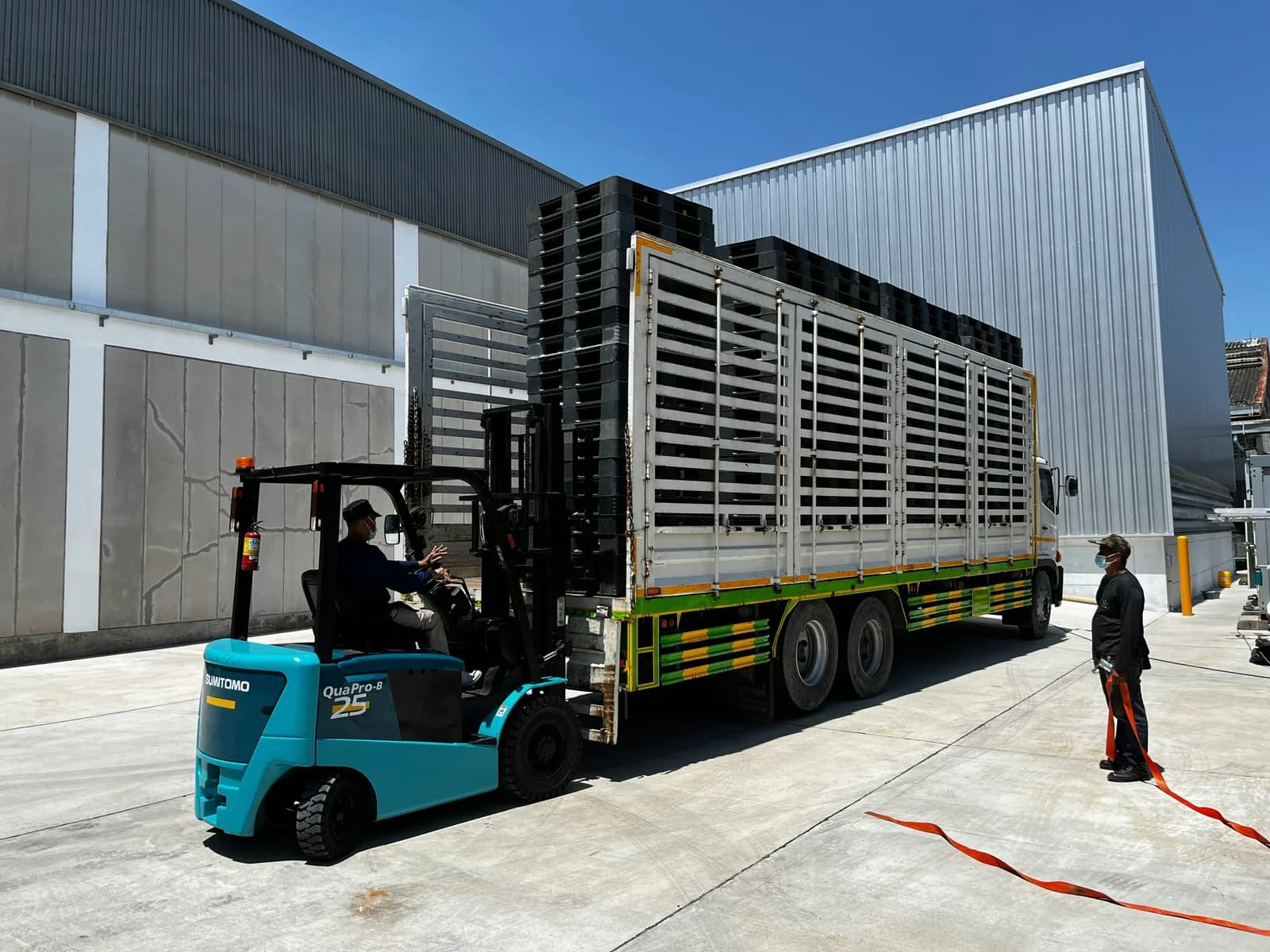
Pallets, the unsung logistics and material handling heroes, come in various shapes, sizes, and materials. While traditional wooden pallets dominate the scene, a realm of lesser-known varieties offers unique features and caters to specialized needs across industries. In this blog post, we delve into the world of uncommon pallet types, shedding light on block pallets, plastic pallets, and chemical pallets, uncovering their distinct characteristics and niche applications.
Block Pallets: Sturdy Foundations for Heavy Loads
Due to their construction, block pallets stand out from their more common stringer pallet counterparts. They feature blocks of solid wood or plastic between the pallet deck boards, providing enhanced stability and strength. These pallets are favored for their ability to withstand heavy loads and rough handling, making them indispensable in industries dealing with bulky or irregularly shaped items, such as construction materials, machinery, and automotive parts.
One notable advantage of block pallets is their compatibility with both forklifts and pallet jacks, offering versatility in material handling operations. Moreover, their robust design ensures longevity, reducing the need for frequent replacement and minimizing operational costs over time. While block pallets may come at a slightly higher initial investment than standard pallets, their durability and load-bearing capacity make them worthwhile for businesses dealing with heavy-duty applications.
Plastic Pallets: Lightweight, Hygienic, and Eco-Friendly
Plastic pallets have been gaining traction as a sustainable alternative to traditional wooden pallets in recent years. Crafted from durable plastic materials such as high-density polyethylene (HDPE) or polypropylene (PP), these pallets offer many advantages, particularly in industries where hygiene, cleanliness, and resistance to moisture are paramount.
One of the key benefits of plastic pallets lies in their lightweight nature, which translates to reduced transportation costs and improved fuel efficiency. Additionally, plastic pallets are impervious to moisture, mold, and pests, ensuring product integrity and minimizing the risk of contamination, making them ideal for pharmaceuticals, food and beverage, and healthcare industries.
Furthermore, plastic pallets are fully recyclable, contributing to environmental sustainability and reducing carbon footprints. Some advanced plastic pallet models even feature nesting or collapsible designs, optimizing storage space and enhancing operational efficiency in warehouse environments. While the initial cost of plastic pallets may be higher than that of wooden counterparts, their long-term benefits in terms of durability, hygiene, and environmental impact make them a compelling choice for forward-thinking businesses.
Chemical Pallets: Safeguarding Hazardous Materials with Precision
When it comes to transporting hazardous materials, safety and compliance are non-negotiable. Enter chemical pallets specially engineered to meet the stringent requirements of industries dealing with chemicals, pharmaceuticals, and dangerous substances. Unlike standard pallets, chemical pallets undergo rigorous testing and certification processes to ensure they can withstand the unique challenges posed by hazardous materials, including exposure to corrosive chemicals, extreme temperatures, and mechanical stress.
Chemical pallets are typically constructed from robust materials such as treated wood, plastic, or metal. They are reinforced with additional features such as spill containment barriers and anti-slip surfaces to prevent accidents during handling and transportation. Moreover, these pallets adhere to strict international standards such as ISPM 15 (International Standards for Phytosanitary Measures), ensuring compliance with global regulations governing the movement of wooden packaging materials across borders.
In addition to safeguarding hazardous materials, chemical pallets play a crucial role in traceability and accountability. Each pallet is often assigned a unique identifier or barcode for tracking purposes. This facilitates inventory management, quality control, and regulatory compliance, providing peace of mind to businesses operating in highly regulated industries.
While traditional wooden pallets remain ubiquitous in logistics, exploring lesser-known pallet varieties opens up possibilities for businesses seeking enhanced efficiency, sustainability, and safety. Each type offers unique advantages tailored to specific industries and applications, from the sturdy foundation of block pallets to the hygiene and eco-friendliness of plastic pallets and the precision engineering of chemical pallets. By embracing innovation and diversifying pallet choices, businesses can elevate their material handling practices to new heights, driving productivity, resilience, and competitiveness in an ever-evolving marketplace.