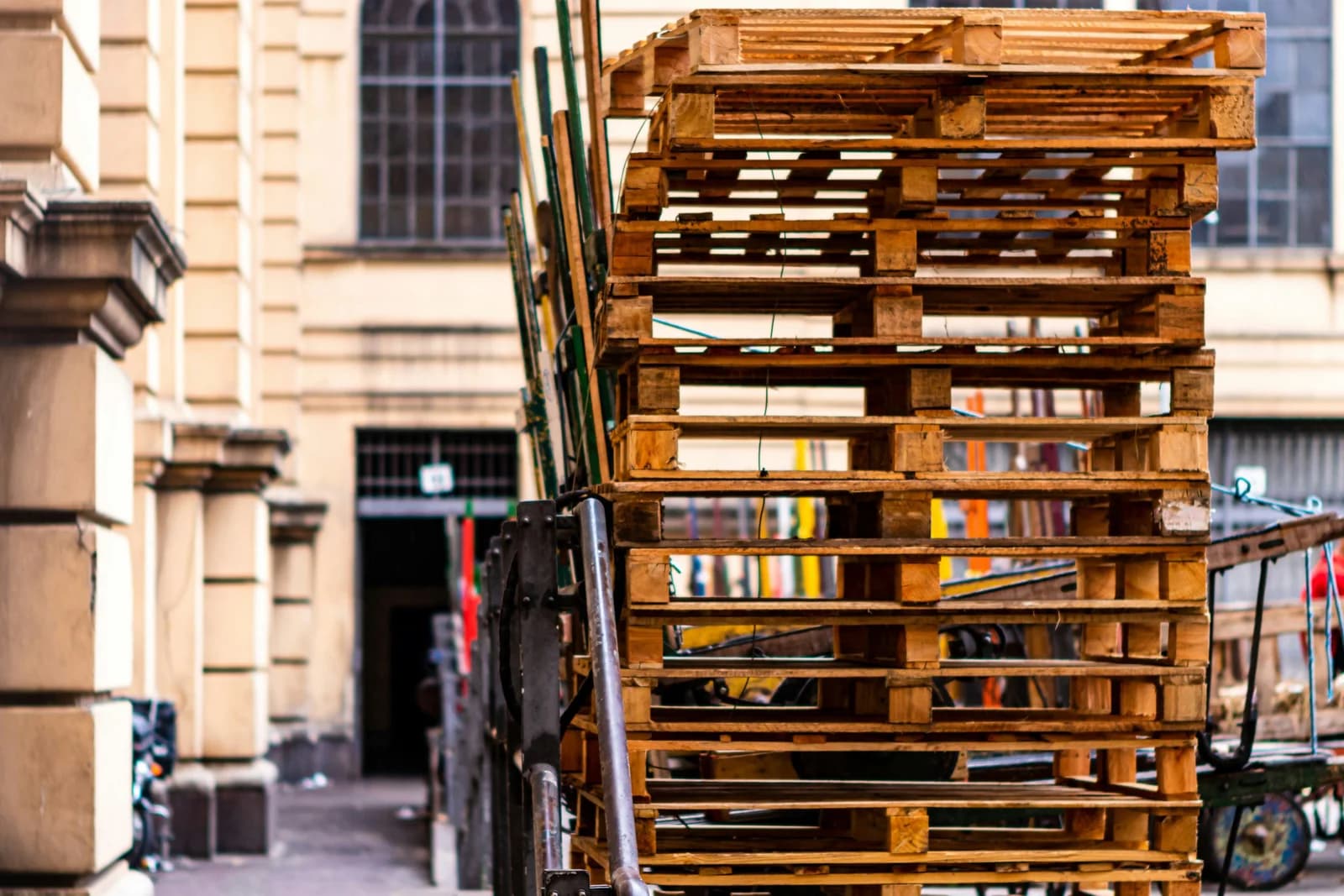
In times of crisis, the efficient distribution of aid is paramount to saving lives and rebuilding communities. Amidst the chaos, used pallets emerge as unsung heroes, facilitating the transportation and distribution of essential supplies during disaster relief efforts. In this blog, we’ll explore the indispensable role of pallets in emergency response and their significance in providing timely assistance to those in need.
Rapid Deployment of Aid:
- Used pallets serve as the backbone of logistical operations during disaster relief, enabling the rapid deployment of aid to affected areas.
- Palletized shipments of food, water, medical supplies, and shelter materials can be quickly transported to disaster-stricken regions via trucks, planes, and ships.
Efficient Storage and Handling:
- Pallets provide a standardized platform for organizing and storing relief supplies, maximizing space utilization in warehouses and distribution centers.
- Stacked pallets allow forklifts and pallet jacks to maneuver and transport goods easily, streamlining the loading and unloading process.
Durability and Versatility:
- Pallets are durable and versatile, capable of withstanding harsh environmental conditions and heavy loads encountered during disaster response efforts.
- Pallets can be repurposed for various tasks, such as makeshift shelters, elevated platforms for staging areas, and temporary bridges over floodwaters.
Cost-Effectiveness:
- Utilizing used pallets in disaster relief operations offers significant cost savings compared to purchasing new pallets or alternative packaging materials.
- The availability of pallets from warehouses, distribution centers, and businesses reduces procurement expenses, allowing relief organizations to allocate resources more efficiently.
Collaborative Partnerships:
- Collaborative partnerships between government agencies, humanitarian organizations, and private sector stakeholders are essential for coordinating palletized aid supplies’ procurement, transportation, and distribution.
- By leveraging the expertise and resources of multiple entities, relief efforts can be executed more effectively, reaching communities in need with incredible speed and efficiency.
Sustainability and Environmental Impact:
- Repurposing used pallets for disaster relief aligns with sustainability goals, reducing the demand for new timber and minimizing waste.
- After relief operations are completed, pallets can be recycled or returned to circulation for future use, minimizing their environmental footprint.
Pallets may seem mundane in everyday logistics, but they become indispensable tools for delivering aid and relief to those in need during disasters. As the unsung heroes of emergency response, pallets play a crucial role in ensuring the efficient transportation, storage, and distribution of essential supplies to disaster-stricken regions. Through collaborative efforts and strategic utilization, pallets continue to uphold their vital role in supporting communities and saving lives during times of crisis.