In the world of shipping and logistics, wood pallets are indispensable. Yet, the wood pallet markings often go unnoticed, despite their critical role in ensuring safety, compliance, and efficiency. For businesses handling wood pallets, knowing how to interpret these markings can make all the difference—whether you’re buying, selling, or reusing pallets.
This guide explores the common and lesser-known wood pallet markings, their significance in the U.S. and globally, and how they impact various industries.
Common Wood Pallet Markings and Their Meanings
1. ISPM-15 Compliance Marks
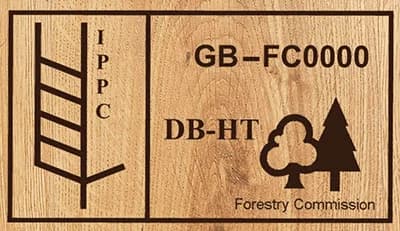
The ISPM-15 standard, established by the International Plant Protection Convention (IPPC), regulates wood packaging material in international trade to prevent the spread of pests. Common ISPM-15 markings include:
- HT (Heat Treated): Indicates the wood was heat-treated to kill pests, making it safe for international shipping.
- MB (Methyl Bromide): Shows the wood was fumigated with methyl bromide—a treatment method being phased out due to environmental concerns.
- KD (Kiln Dried): Signifies the wood was kiln-dried to reduce moisture content, often included alongside HT.
- DB (Debarked): Ensures the wood is free of bark, a requirement for many exports.
For example, a pallet marked with “HT DB” is heat-treated and debarked, suitable for international shipping and environmentally safe.
2. Manufacturer Codes
Many pallets include a manufacturer code, identifying the company or location where the pallet was produced. This can help trace the origin of the pallet for quality or compliance purposes.
3. Recycled or Repaired Stamps
Reused pallets often have stamps indicating they’ve been repaired or recycled, such as the “PRL” (Pallet Repair License) marking. These labels ensure the pallet meets industry standards even after repair.
Global Perspective: Unique Markings Around the World
- EPAL and EUR Stamps (Europe): Widely used in Europe, these stamps indicate compliance with stringent European Pallet Association (EPAL) standards, ensuring durability and uniformity.
- FSC Certification: Found globally, this label from the Forest Stewardship Council guarantees the wood was sourced sustainably, making it attractive for eco-conscious businesses.
- JIS Mark (Japan): Pallets in Japan often bear the Japan Industrial Standards (JIS) mark, reflecting local manufacturing guidelines.
Industry-Specific Requirements
Different industries require specialized pallet markings to ensure safety and regulatory compliance:
- Food and Beverage: Pallets in this sector must meet hygiene standards, often marked with certifications like NSF (National Sanitation Foundation).
- Pharmaceuticals: Pallets used for medical supplies often feature markings that indicate sterilization or compliance with Good Distribution Practices (GDP).
- Heavy Industry: Markings for load capacity and durability are critical to ensure pallets can handle heavy equipment or materials.
Broader Markings to Watch For
- Load Capacity Indicators: Some pallets include stamps or labels showing the maximum weight they can support. This prevents overloading and ensures worker safety.
- Custom Stamps: Companies often brand their pallets with unique logos, contact information, or barcodes for inventory tracking.
- Hazardous Material Labels: Pallets used to transport hazardous materials may feature symbols or text indicating compliance with safety regulations.
Tips for Interpreting Pallet Markings
- Familiarize Yourself with Standards: Learn the most common markings in your region and industry to avoid compliance issues.
- Inspect for Clarity: Ensure markings are visible and legible—illegible marks can lead to fines or rejected shipments.
- Know Your Needs: Depending on your business, you may require specific markings, such as HT for international shipping or load capacity for heavy materials.
- Partner with Experts: Collaborating with a trusted pallet provider like The Pallet Squad can simplify the process of sourcing compliant pallets.
Why Understanding Pallet Markings Matters
Ignoring or misinterpreting pallet markings can result in:
- Regulatory fines.
- Rejected shipments.
- Safety hazards for employees and customers.
On the flip side, mastering pallet markings can streamline operations, boost sustainability, and enhance your business’s reputation.
The Pallet Squad: Your Partner in Pallet Management
At The Pallet Squad, we understand the importance of pallet markings and compliance. Whether you’re buying, selling, or managing pallets, we offer expert guidance, including a robust pallet buyback program for businesses with a minimum of 100 pallets.
Need help understanding pallet markings or managing your inventory? Contact The Pallet Squad today to ensure your pallet operations are safe, efficient, and profitable.