Wood pallet recycling has become essential to many businesses’ sustainability efforts, especially for large-scale operations that deal with vast quantities of pallets. While the benefits of pallet recycling are clear—reducing waste, cutting costs, and promoting environmental responsibility—the process is not without its challenges. For businesses looking to implement or improve their pallet recycling programs, understanding these common obstacles is the first step toward overcoming them.
1. Pallet Quality and Condition
Not all pallets are created equal. One of the biggest challenges in wood pallet recycling is dealing with pallets’ varying quality and condition. While some pallets are still in good shape and can be easily refurbished or reused, others may be broken, damaged, or made from poor-quality materials, making recycling difficult.
Low-quality or heavily damaged pallets require more intensive repair work, which can increase labor and processing costs. Sometimes, pallets may be beyond repair and must be discarded altogether. Sorting through pallets to determine which can be reused or recycled efficiently takes time and resources, adding complexity to the recycling process.
2. Inconsistent Supply and Demand
The pallet recycling market can be unpredictable. The demand for recycled pallets fluctuates depending on various factors, including the state of the economy, industry needs, and shifts in the supply chain. Similarly, the availability of pallets for recycling can vary, with some businesses experiencing an overflow of pallets while others face shortages.
This inconsistency can make it difficult for pallet recyclers to maintain a steady operation, as they must balance supply and demand to keep costs under control. Businesses that rely on recycled pallets may also struggle to secure a consistent supply when demand spikes, leading to delays or higher costs for new pallets.
3. Logistics and Transportation
The logistics of collecting, transporting, and processing pallets can be a significant hurdle in pallet recycling. Pallets are bulky, and transporting large quantities requires considerable space and planning. For businesses spread across multiple locations, coordinating the transportation of used pallets to a central recycling facility can become an operational headache.
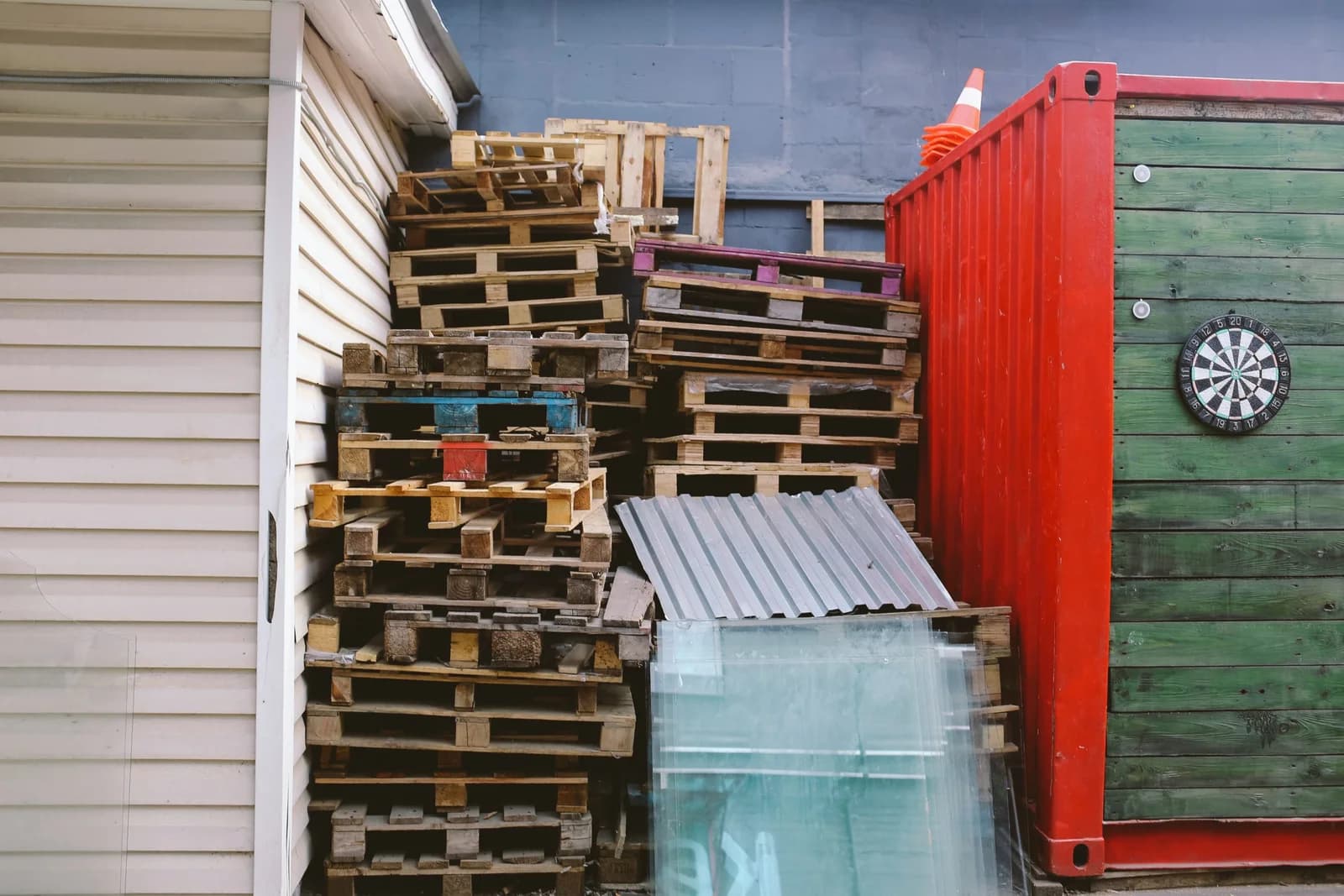
Transportation costs can add up quickly, especially if pallets need to be moved long distances for recycling. Businesses that lack proper storage solutions may also deal with pallet clutter, which can affect their facility’s organization and efficiency.
4. Sorting and Handling Costs
Recycling wood pallets involves more than just dropping them off at a recycling facility. The process requires careful sorting, as different pallets may have various dimensions, material types, and levels of damage. Businesses must ensure that pallets are correctly sorted before being recycled, which adds to labor costs.
Handling damaged pallets also poses safety risks to employees. If not handled properly, splintered wood, exposed nails, and unstable pallets can lead to workplace accidents. This makes pallet recycling a potentially hazardous task that requires trained personnel and safety protocols, adding another layer of complexity.
5. Environmental Regulations and Compliance
As more businesses adopt eco-friendly practices, environmental regulations regarding pallet recycling have become more stringent. While these regulations aim to ensure that recycling is done responsibly, they also add another challenge for businesses trying to stay compliant.
Different regions may have specific guidelines on how pallets should be recycled, including the type of wood treatment allowed (such as heat-treated pallets) and the disposal methods for non-recyclable pallets. Navigating these regulations can be complicated, especially for large businesses that operate in multiple locations with varying laws. Failure to comply can result in fines or penalties, increasing the cost of recycling efforts.
6. Cost of Repair and Refurbishment
While recycling pallets can save money in the long run, the upfront costs of repairing and refurbishing them can be substantial. Businesses must invest in skilled labor, equipment, and materials to restore pallets to reusable condition. For heavily damaged pallets, the repair cost may outweigh the benefits of recycling them, leading to difficult decisions about refurbishing or discarding them.
Moreover, the fluctuating cost of wood and other raw materials can impact the overall expense of pallet refurbishment. Businesses must carefully assess their cost-benefit ratio to determine if pallet recycling remains viable under changing market conditions.
7. Lack of Awareness and Engagement
Another challenge businesses face is a lack of awareness about the importance and benefits of pallet recycling. Employees may not understand the role that pallet recycling plays in reducing costs and waste, leading to improper handling or disposal of pallets. Without company-wide engagement, recycling programs can be ineffective or fail to reach their full potential.
Encouraging employees to participate in recycling efforts requires education and clear communication. Businesses must establish recycling protocols, train staff, and emphasize the financial and environmental benefits of proper pallet handling and recycling.
Overcoming the Challenges of Wood Pallet Recycling
While these challenges may seem daunting, businesses can overcome them with the right approach. Partnering with a professional pallet recycling company like The Pallet Squad can help simplify the process. The Pallet Squad offers services such as pallet pick up and drop-off trailers that make it easier to manage recycling logistics, ensuring that your business stays efficient and compliant with regulations.
Whether you want to streamline operations, reduce costs, or implement a more eco-friendly pallet management system, The Pallet Squad is here to help. Get in touch today to learn more about how our recycling solutions can benefit your business!
Addressing the common challenges in wood pallet recycling can unlock significant savings while contributing to a greener, more sustainable future for your business.