Resilience has become a cornerstone of success in the intricate web of global supply chains. Unforeseen disruptions—ranging from natural disasters to geopolitical tensions and pandemics—have highlighted the need for robust, adaptable systems. At the heart of this resilience lies an often-overlooked hero: wood pallets. These humble yet indispensable tools ensure supply chains remain strong, flexible, and efficient.
1. Foundation of Efficient Logistics
Wood pallets serve as the foundation of efficient logistics, facilitating the smooth movement of goods through every stage of the supply chain. From the manufacturer to the retailer, pallets ensure products are handled carefully and precisely. Their standardized sizes allow for seamless integration with handling equipment such as forklifts, pallet jacks, and conveyor belts, minimizing delays and reducing the risk of damage.
2. Durability and Reliability
One of the critical attributes of wood pallets is their durability. Made from sturdy materials, these pallets can withstand significant weight and rough handling, making them ideal for transporting a wide range of goods. Their reliability ensures that goods arrive at their destination in optimal condition, maintaining the integrity of the supply chain even in challenging situations.
3. Cost-Effectiveness
Wood pallets offer an economical solution in an era where cost efficiency is paramount. Compared to other materials like plastic or metal, they are relatively inexpensive to produce, maintain, and repair. This cost-effectiveness extends to their recyclability; damaged pallets can be easily repaired or repurposed, contributing to sustainability efforts and reducing waste.
4. Adaptability and Customization
Wood pallets are highly adaptable, with various sizes and designs available to meet specific needs. Customization options allow businesses to tailor pallets to their unique requirements, enhancing the efficiency of their logistics processes. This adaptability is crucial for supply chain resilience, as it enables quick adjustments in response to changes in demand or disruptions in the supply chain.
5. Environmental Sustainability
Sustainability is increasingly becoming a priority in modern supply chains. Wood pallets are an environmentally friendly choice, made from renewable resources, and are biodegradable. The life cycle of a wood pallet often includes multiple uses and repairs, reducing the overall environmental impact. Moreover, at the end of their useful life, wood pallets can be recycled into mulch, animal bedding, or bioenergy.
6. Facilitating Global Trade
Wood pallets are integral to international trade, complying with global standards and regulations such as the International Standards for Phytosanitary Measures No. 15 (ISPM 15). This ensures that pallets used in global trade are treated to prevent the spread of pests and diseases, facilitating smooth and compliant cross-border transactions.
7. Supporting Supply Chain Agility
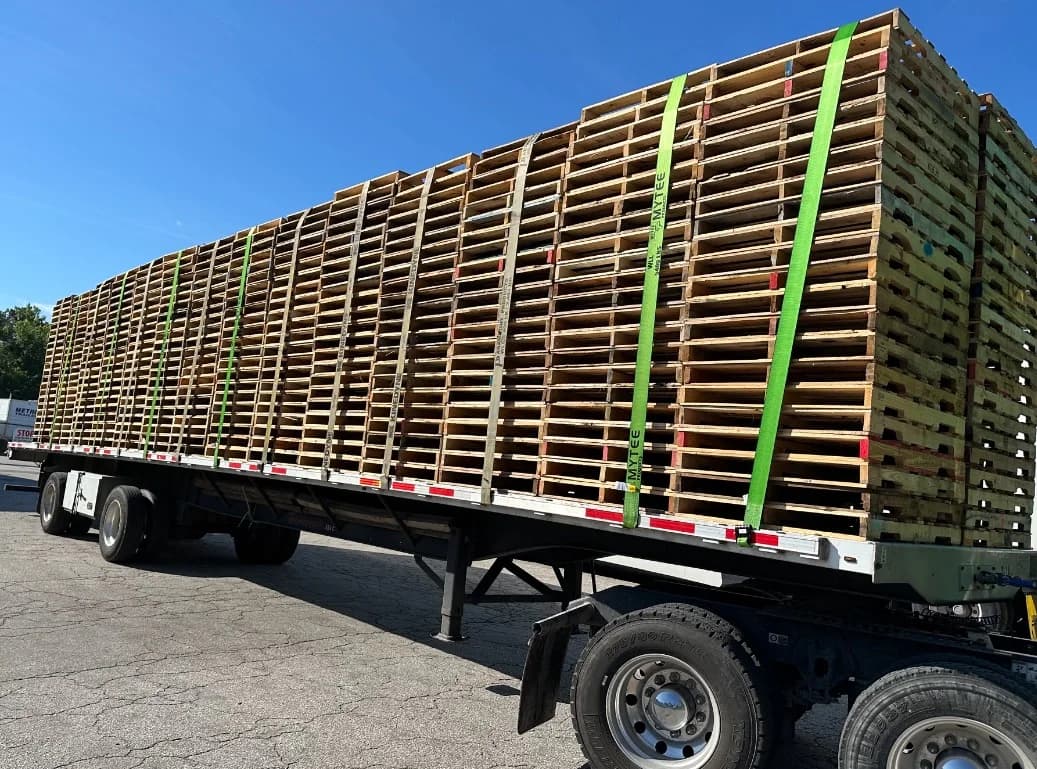
The agility of a supply chain determines how quickly it can recover and adapt in the face of disruptions. Wood pallets support this agility by enabling rapid mobilization and redistribution of goods. Their widespread availability and ease of use mean businesses can quickly source additional pallets when needed, ensuring supply chain operations continue with minimal interruption.
Wood pallets are more than simple platforms for transporting goods; they are essential to resilient supply chains. Their durability, cost-effectiveness, adaptability, and sustainability make them invaluable in maintaining the integrity and efficiency of logistics operations. As businesses continue to navigate an ever-changing global landscape, the role of wood pallets in supply chain resilience will remain vital, underscoring their importance in building robust and adaptable supply networks.
Investing in quality wood pallets is a strategic move for businesses looking to enhance their supply chain resilience. By partnering with a reliable pallet supplier, companies can ensure they have the tools to withstand disruptions and maintain a smooth flow of goods, ultimately contributing to long-term success and stability.