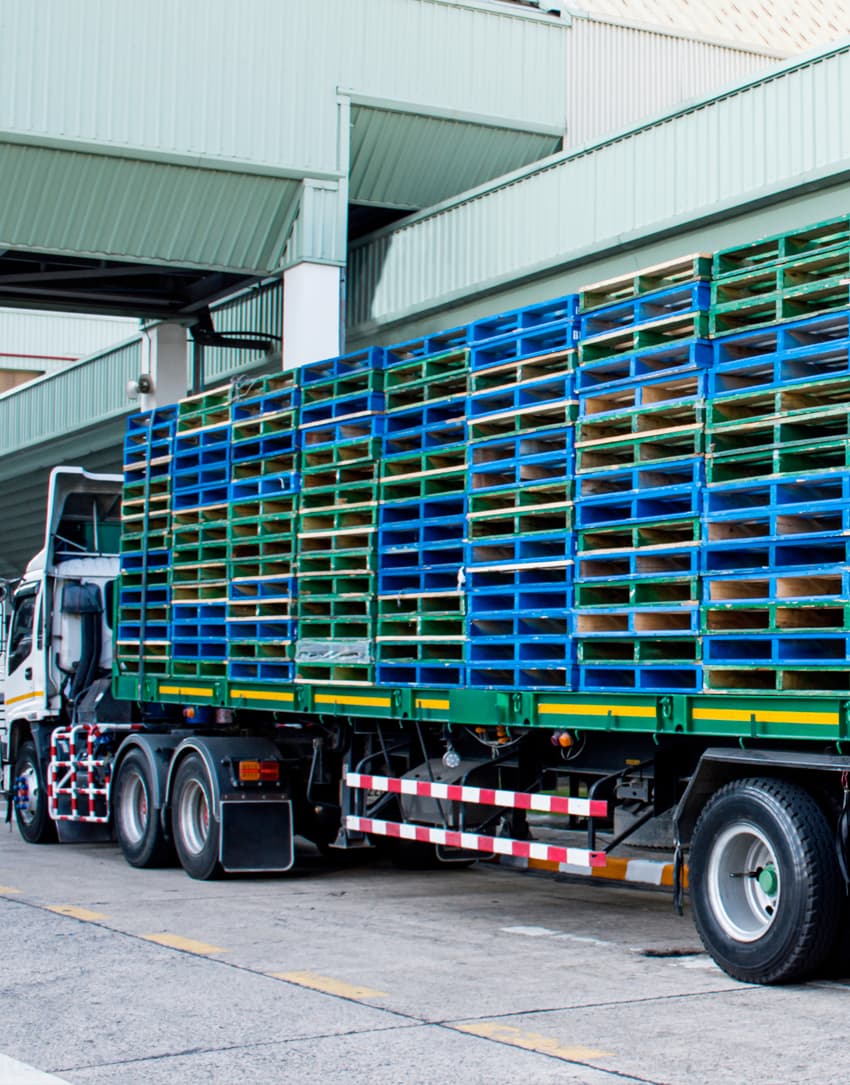
In the vast web of global commerce, the unsung hero, the humble pallet, has found itself thrust into the spotlight. A worldwide shortage of wooden pallets is sending shockwaves through supply chains, leaving businesses scrambling to find solutions. In this blog post, we’ll dive into the causes behind the pallet panic, unravel its impact on supply chains, and explore innovative solutions to address this global crisis.
The Anatomy of the Pallet Shortage:
Pallets, those sturdy platforms that bear the weight of the world’s goods, have become a scarce commodity. The shortage can be traced back to a perfect storm of factors, including disruptions in the timber industry, increased global demand for goods, and supply chain challenges exacerbated by the COVID-19 pandemic.
Impact on Supply Chains:
As wooden pallets vanish from warehouses and logistics hubs, the consequences reverberate throughout the supply chain. Manufacturers face delays in production, distributors struggle to meet delivery deadlines, and retailers grapple with depleted inventories. The domino effect of the pallet shortage has underscored the crucial role these unassuming platforms play in the smooth flow of goods across borders.
Potential Solutions:
Increased Recycling:
Embracing a circular economy is key to overcoming the pallet shortage. Encouraging and investing in pallet recycling programs can help alleviate the strain on the supply chain. Companies can collaborate with recycling facilities to turn used pallets into new, sustainable ones.
Alternative Materials:
Innovation holds the key to mitigating the crisis. Exploring alternative materials, such as plastic or composite materials, could offer a more sustainable and readily available solution. These materials can be designed to withstand the rigors of transportation while reducing the environmental impact.
Improved Inventory Management:
The pallet shortage has illuminated the need for more efficient inventory management systems. By implementing advanced tracking and monitoring technologies, businesses can optimize their use of pallets, reducing waste and ensuring a smoother flow of goods through the supply chain.
Collaborative Industry Solutions:
In times of crisis, collaboration becomes crucial. Industry stakeholders, including manufacturers, distributors, and logistics companies, can come together to share resources and expertise. By fostering a sense of community, the industry can weather the storm more effectively.
The wooden pallet panic gripping the world’s supply chains is a wake-up call for a more resilient and sustainable approach to logistics. By addressing the root causes of the shortage and embracing innovative solutions, businesses can not only weather the current storm but also build a more robust foundation for the future. The time has come for the global supply chain to reinvent its reliance on pallets, paving the way for a more efficient and sustainable era of commerce.