
High-volume distribution centers need a consistent place for used wood pallets to go as they come off the floor. With drop trailer pallet recycling, an empty trailer stays on-site so warehouse teams can load eligible pallets as they accumulate, then have the trailer picked up and replaced according to the facility’s volume. That creates a standing pallet-removal workflow instead of relying on scattered stacks and one-off pickup requests.
At The Pallet Squad, our drop trailer service gives qualifying facilities an empty enclosed 53-foot semi-trailer to keep on-site. Your team loads pallets throughout the week, and when the trailer fills, we pick it up and swap it with another empty trailer.
Why High-Volume Distribution Centers Need a Pallet Removal Workflow
Pallet volume can build quickly in a distribution center. Inbound freight gets unloaded, product moves into storage or cross-dock areas, and pallets that are no longer needed have to go somewhere.
Without a defined process, those pallets tend to move from one temporary spot to another. Someone shifts a stack when dock space gets tight, then the warehouse has to arrange a pickup after the accumulation has already become an operational problem.
A drop trailer changes the sequence. Instead of waiting for enough pallets to justify figuring out what to do with them, the facility already has a designated place to load them. Staff can make pallet handling part of the normal shift routine.
That distinction matters most in high-volume operations where pallet generation is steady rather than occasional.
How Drop Trailer Pallet Recycling Fits Into Daily Warehouse Operations
The basic setup is straightforward. We place an empty trailer at the facility, and the warehouse loads qualifying pallets into it over time. The trailer stays on-site rather than arriving only for a single scheduled pickup.
Once the trailer reaches the appropriate fill point, the facility follows the agreed pickup process and the full trailer is exchanged for an empty one.
Our pallet buying and hauling service includes recurring pickup options based on the program and pallet volume.
The best setup treats that trailer like part of the warehouse flow, not overflow storage. Employees know which pallets belong in it, who monitors the fill level, and who handles the next pickup request or scheduled exchange.
Start With the Right Trailer Location
Trailer placement affects how well the system works.
A trailer that sits too far from the normal pallet flow adds unnecessary forklift travel. One placed in a congested area can interfere with dock activity. Before the program starts, look at where unwanted pallets originate and how operators will move them to the trailer during a normal shift.
The location should work with existing traffic patterns and leave room for safe movement around loading areas. OSHA’s materials-handling standard requires sufficient clearance in areas such as loading docks, doorways, aisles, and turns where mechanical handling equipment operates.
Your facility’s own safety rules, dock configuration, yard layout, and equipment still determine the final placement. The practical question is whether employees can load the trailer consistently without creating another bottleneck.
Decide Which Pallets Belong in the Program
A drop trailer works better when employees don’t have to make a new decision every time they approach it.
Before loading begins, define what belongs in the trailer. That may depend on pallet ownership, size, condition, and whether the pallets are being evaluated for purchase or removed as unwanted material.
The Pallet Squad buys certain used pallets and also handles unwanted, scrap, or damaged pallet haul-off. Our pallet buying and hauling page asks businesses for pallet photos or video, pallet details, quantity, and preferred pickup frequency so we can evaluate the request.
For a distribution center, the internal instructions should be just as clear. Supervisors should know what their team can load and what needs to stay out until its ownership or condition is confirmed. That keeps the trailer from becoming a catch-all for anything taking up dock space.
Use a Swap Trigger Before the Trailer Fills
Waiting until a trailer is completely packed before anyone thinks about the next exchange can recreate the same overflow problem the program was meant to eliminate.
Set an internal trigger for checking or requesting the next swap. The right point depends on your pallet volume and the pickup arrangement in place. Someone should know roughly how quickly the trailer fills and watch for changes in that pattern.
If a promotion, receiving surge, facility cleanout, or seasonal increase will produce more pallets than usual, account for it before stacks start forming outside the trailer.
Knowing your average pallet volume gives the operation a starting point for discussing swap frequency, although actual loading conditions and pallet mix affect how quickly a trailer fills.
Match Pickup Frequency to Real Pallet Volume
A recurring schedule works best when it reflects what the facility actually generates.
Track how many eligible pallets enter the trailer during a normal operating period, then compare that rate with busier weeks. If the trailer fills much faster during certain periods, the program should account for that variation rather than relying on a frequency chosen months earlier.
The more useful operational question is whether the trailer has enough capacity between exchanges without forcing employees to stage excess pallets elsewhere.
Review the pattern periodically. Distribution volumes change, and the swap cadence should follow the operation.
Give One Role Ownership of the Process
Even a simple pallet program needs an owner inside the building.
That person should know the loading rules, understand the normal fill rate, and make sure the swap process gets handled when required. Multi-shift facilities should make the same rules visible to every crew so one shift doesn’t undo another shift’s process.
Keep the instructions short enough to use. Define what goes in, where questionable pallets go, and who gets contacted when the trailer reaches the facility’s trigger point.
Measure What Happens Around the Trailer
The clearest sign of a working drop trailer program is what happens on the warehouse floor.
Watch whether pallet stacks still appear in temporary staging areas. Track how long the trailer usually takes to fill and whether teams repeatedly move the same pallets before they reach it. Those observations show whether the current placement, loading rules, and swap frequency are working.
If pallets still accumulate around receiving, adjust the part of the workflow causing the backup instead of treating every pile as a separate removal problem.
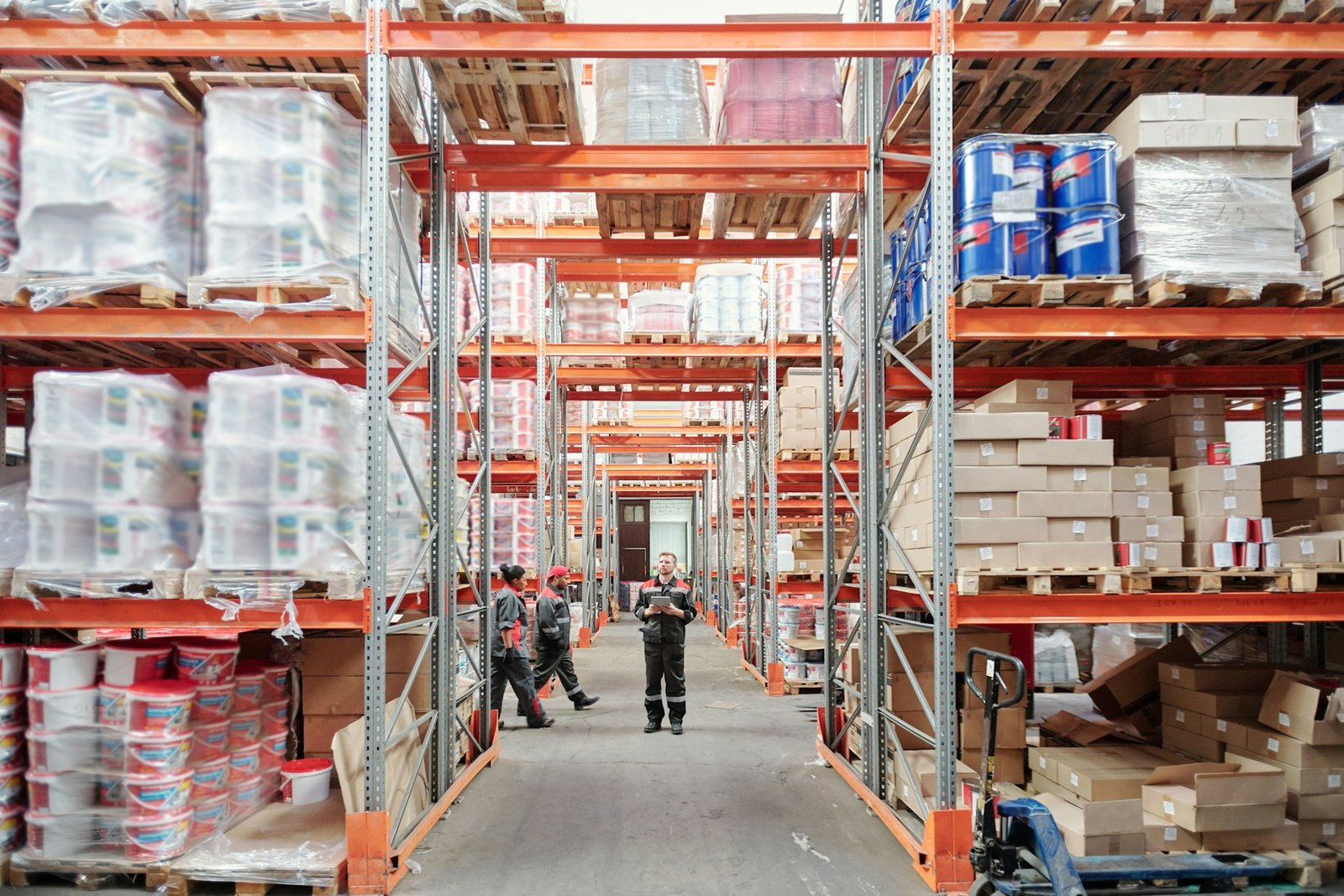
Build Drop Trailer Pallet Recycling Around Your Distribution Center
Drop trailer pallet recycling works best when it becomes part of the facility’s normal material flow. Give eligible pallets a defined destination, set clear loading rules, monitor how quickly the trailer fills, and tie exchanges to actual pallet generation.
At The Pallet Squad, we work with businesses nationwide on pallet pickup, hauling, and drop trailer programs. If your distribution center regularly generates a high volume of used pallets and needs a more consistent removal process, contact our team with your location, approximate pallet quantity, pallet details, and preferred pickup frequency. We can review the information and determine which pallet pickup or drop trailer option fits the request.