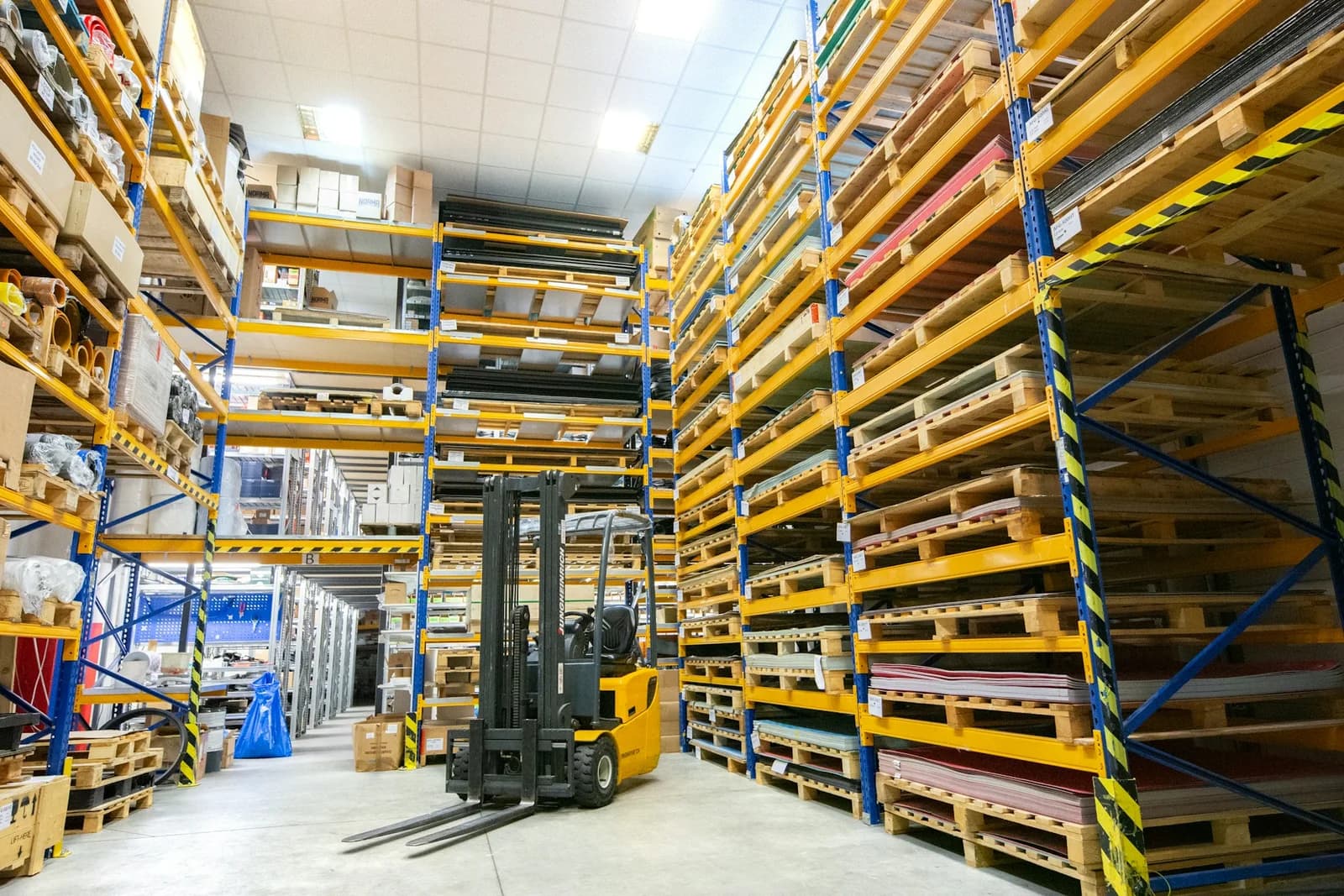
A Friday afternoon pallet shortage requires a fast, accurate response. Confirm how many usable pallets remain, identify the exact specifications needed, prioritize the loads that must leave, and contact your supplier with complete delivery information. An emergency pallet order moves faster when the supplier doesn’t have to spend the first several calls figuring out what your warehouse actually needs.
The Pallet Squad supplies wood pallets nationwide for one-time orders, recurring needs, and ongoing warehouse operations. Last-minute availability depends on the quantity, specifications, delivery location, receiving window, and current routing. That makes the quality of the information you provide especially important.
Why Pallet Shortages Show Up on Friday Afternoon
Most late-week shortages aren’t caused by a single mistake. The inventory count may have been several days old. Production might have used more pallets than forecasted. A higher-than-normal number may have been rejected because of damage. An outbound order could have increased after the week’s supply plan was already set.
Pallets may also be physically present but unavailable. Some may already be staged under finished goods, assigned to another department, awaiting inspection, or owned by another organization.
The shortage becomes visible on Friday because that’s when the shipping team compares the remaining pallet count with the loads still scheduled to leave. By then, the purchasing department may be winding down, carriers are already assigned, and the receiving window is getting shorter.
The first goal is to separate a real shortage from an inventory visibility problem.
Start an Emergency Pallet Order With a Physical Count
Don’t place an order based only on what the inventory system says. Walk the warehouse and count the pallets that are available for immediate use.
Separate usable pallets from anything damaged, contaminated, incorrectly sized, or already committed to a load. Check staging areas, production zones, receiving, trailers, and any outdoor storage areas used by the facility.
Then calculate the actual shortage:
- Count the usable pallets currently available.
- Confirm the number already committed to staged or partially built loads.
- Review every shipment expected to leave before the next regular delivery.
- Include production needs that will consume pallets during that period.
- Leave a reasonable buffer for rejected pallets or order changes.
Suppose the system shows 180 pallets, but 70 are already under finished goods and 25 do not meet the required condition. The warehouse doesn’t have 180 available pallets. It has 85.
Ordering from the system count could leave the shipping team short again before the emergency delivery even arrives.
Give the Supplier Enough Information to Act
Saying “we need pallets as soon as possible” doesn’t give a supplier enough information to confirm inventory, identify the right source, or plan transportation.
An emergency request should include:
- The complete delivery address and ZIP code
- The number of pallets needed
- Exact pallet dimensions
- Whether the order requires new, Grade A recycled, Grade B recycled, or a custom specification
- Two-way or four-way entry requirements
- Stringer, block, deck board, or other construction details that affect compatibility
- Approximate product weight and how the load will be handled
- Heat-treatment requirements, if applicable
- The required delivery date and receiving hours
- Dock access, unloading equipment, and on-site contact information
Pictures, drawings, or a previous purchase order are useful when the buyer isn’t certain about the terminology. The Pallet Squad’s wood pallet supply options include common 48-by-40 configurations and custom wood pallets, but “standard pallet” is still too vague for an urgent request.
Two facilities may use the same overall dimensions while requiring different grades, entry configurations, or construction details. Confirm the specification rather than assuming every 48-by-40 pallet is interchangeable.
Don’t Solve the Shortage With the Wrong Pallet
A stack of available pallets isn’t useful if those pallets don’t fit the load, equipment, or customer requirements.
The wrong configuration may not move correctly through a conveyor. Forklift entry may be restricted. A weak or damaged pallet may fail under the product weight. Variations in deck board spacing can create problems for cartons, bags, pails, or other packaged goods.
Inspect any pallet before putting it into service. Look for split boards, exposed fasteners, damaged stringers, missing components, contamination, or signs that the pallet cannot support the intended load.
OSHA’s material handling and storage standard requires stored materials to remain stable and secure and requires aisles and passageways to remain clear. A pallet shortage isn’t a reason to create unstable stacks, block warehouse routes, or use equipment that appears unsafe.
Confirm ownership as well. A pallet located behind the warehouse may belong to a vendor, customer, carrier, or managed pool. Physical possession does not necessarily mean the pallet is available for general use.
Prioritize Loads Before the Dock Stalls
Once the shortage is confirmed, determine which shipments truly need pallets first.
Start with loads that have fixed delivery appointments, contractual deadlines, perishable products, production dependencies, or customers that cannot receive the order later. Consider whether a carrier is already on-site or whether rescheduling would create a substantial charge.
Avoid assigning pallets simply based on which order entered the queue first. A smaller shipment leaving later may have a tighter delivery requirement than a large order already staged near the dock.
Operations, shipping, purchasing, and customer service should work from the same revised plan. Customers or carriers affected by a delay should hear about it before the original pickup window passes.
The goal isn’t to keep every activity moving at its normal pace. It is to protect the most time-sensitive outbound commitments while the emergency pallet order is being arranged.
Be Realistic About Last-Minute Availability
Common pallet specifications are generally easier to source quickly than custom dimensions or construction requirements. Large quantities, special treatments, narrow receiving windows, and distant delivery points create more variables.
The Pallet Squad lists several common 48-by-40 wood pallet options as available for immediate delivery. Its scheduling form also states that a preferred date does not guarantee service availability and that the delivery date and time must be confirmed.
That distinction matters. “Immediate delivery” indicates that an item is part of the available supply program. It doesn’t mean every quantity can reach every location within any requested window.
Contact the supplier as soon as the shortage is confirmed. Submit a complete pallet service quote request and remain reachable in case the team needs to verify specifications, receiving details, or scheduling.
Don’t wait until the end of the day to start gathering information. Every hour spent checking dimensions, finding an approval, or locating the receiving contact reduces the available routing options.
Fix the System on Monday
An emergency delivery solves the immediate problem. It does not explain why the warehouse ran short.
Review the previous several weeks of pallet activity. Track how many pallets arrived, entered production, shipped, were rejected, remained under stored goods, or left the facility through another process.
Look for patterns such as:
- Weekly usage exceeding the purchasing forecast
- Deliveries arriving too close to the reorder point
- Large differences between recorded and physical inventory
- Damaged pallets remaining in the usable count
- Separate departments drawing from the same supply without reporting usage
- Customer orders changing after pallet purchasing decisions are made
- Purchasing based on average usage despite predictable peak days
Set a reorder point that accounts for normal consumption, supplier lead time, and a practical buffer. A warehouse using 200 pallets per day should not wait until only 200 remain before placing the next order.
Operations with steady usage may need a recurring delivery schedule rather than individual purchase decisions. High-volume facilities that need added storage capacity may also consider a drop trailer service for pallet supply or outgoing used pallets.
The right setup depends on volume, site access, storage space, and how quickly inventory turns.
Build a Better Friday Pallet Check
Friday afternoon should be the final confirmation, not the first time anyone reviews pallet availability.
Assign one person or role to verify the count earlier in the week. By Thursday, the warehouse should compare available inventory against confirmed outbound orders, expected production, and the next scheduled replenishment.
Repeat the check Friday morning if order volume changes frequently. Isolate damaged pallets so they are not included in the usable count. Keep current pallet specifications, supplier contact information, delivery instructions, and purchasing approval details in one accessible place.
A simple count performed at the right time is often more useful than a complicated spreadsheet that nobody updates.
The Friday afternoon pallet problem becomes much easier to manage when the first supplier conversation includes a verified quantity, exact specification, delivery address, receiving window, and knowledgeable contact. Count first, prioritize the loads, and place the request immediately.
The Pallet Squad supplies wood pallets for businesses nationwide. If the current inventory won’t cover the outbound schedule, request a pallet quote with the exact specifications, quantity, location, and required delivery window.