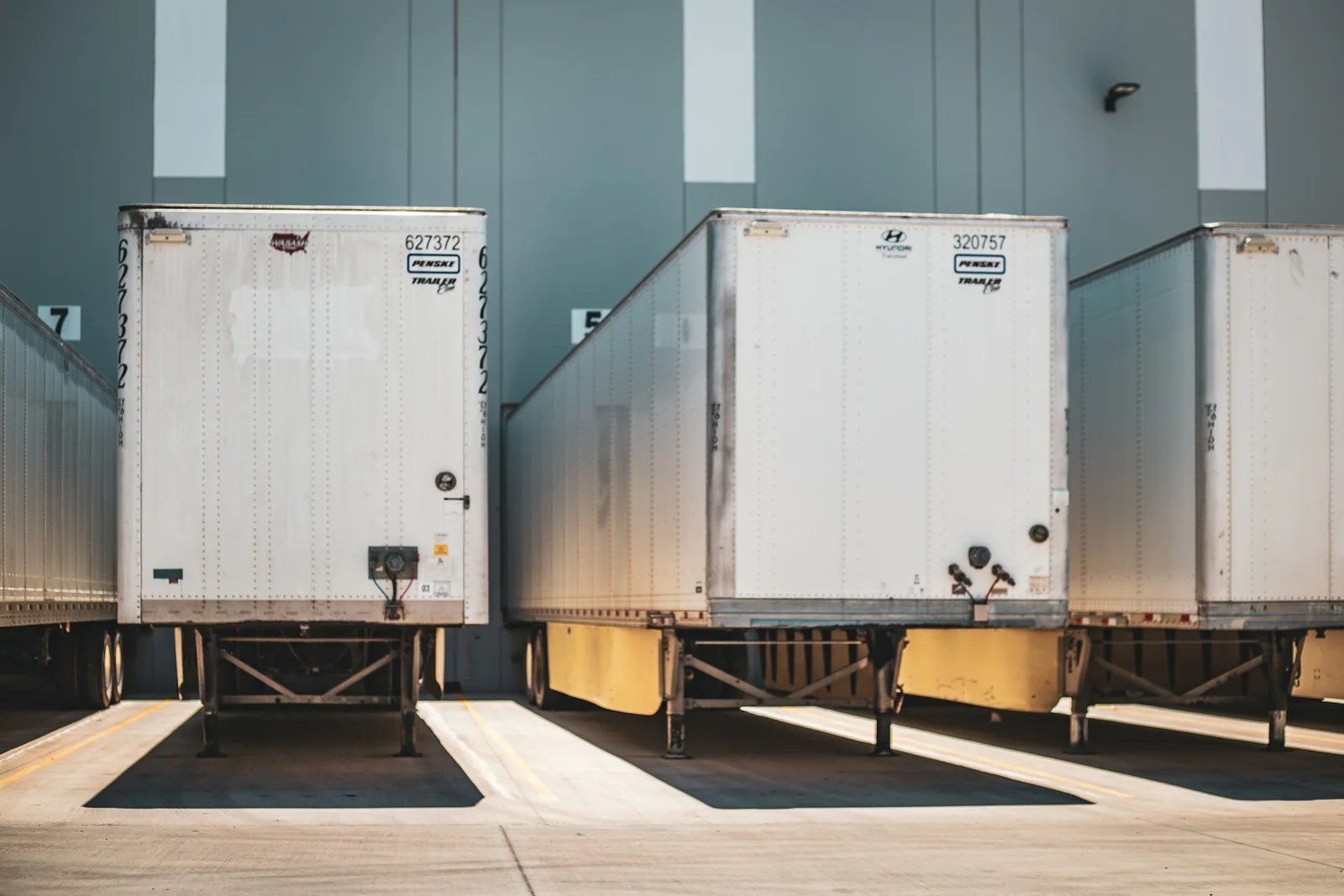
A useful pallet delivery checklist starts with one decision: where will the pallets go after they come off the trailer? Before the shipment arrives, reserve the dock, clear the unloading route, confirm that the right equipment and personnel are available, and mark a receiving area where the load can be counted and inspected. Without that space, pallets tend to get moved directly into production or storage before anyone confirms what was delivered.
The Pallet Squad supplies wood pallets to businesses nationwide, including new, recycled, and custom options. Preparing the receiving area before delivery reduces driver delays and gives your team a consistent way to verify each order before the pallets enter active inventory.
Why a Pallet Receiving Area Matters
Clearing an open dock door is not the same as preparing to receive a pallet shipment.
A delivery may contain several stacks that need to be unloaded, counted, inspected, and moved into storage. If the dock is already crowded with outbound freight, returns, empty containers, or damaged pallets, the receiving team has nowhere to place the new load.
That creates unnecessary handling. Pallets may be set down temporarily, moved out of the way, and then moved again when someone is ready to count them. The extra movement uses forklift time and makes it harder to determine whether a damaged pallet arrived that way or was damaged after unloading.
A designated receiving area keeps the process orderly. It gives the team a place to compare the shipment with the purchase order, separate questionable pallets, and release the dock without immediately mixing the delivery into existing stock.
The area does not need to be permanent. Some facilities use floor markings near the receiving dock, while others reserve a section of the warehouse before each scheduled delivery. The right setup depends on order volume, available space, and how quickly the pallets will be used.
Pallet Delivery Checklist Before the Truck Arrives
Review the delivery details early enough to correct problems before the driver reaches the property.
Confirm:
- The scheduled date and receiving window
- The dock number or unloading location
- The delivery address and gate instructions
- The pallet quantity, dimensions, grade, and entry style
- Whether any special specifications apply
- The name and phone number of the receiving contact
- How the pallets will be unloaded
- Where accepted and rejected pallets will be placed
Don’t assume the driver will know which entrance, gate, or dock to use. Large commercial properties may have separate entrances for employees, customer pickups, outbound freight, and deliveries.
Send any property-specific instructions to the supplier before the delivery date. Include gate codes, check-in requirements, restricted routes, low-clearance areas, or directions that differ from standard GPS instructions.
The person listed as the receiving contact should be available during the full delivery window. If that person leaves for lunch, works in another building, or cannot answer a phone near the dock, identify a backup contact.
Reserve Enough Space for the Full Order
Estimate how much floor space the delivery will occupy before deciding where to stage it.
A shipment that looks manageable as a single quantity may arrive in several tall stacks. Those stacks need room to come off the trailer without blocking dock traffic or forcing the operator to break them apart immediately.
The receiving area should be close enough to the dock to avoid long forklift travel but far enough away that it does not prevent another trailer from backing into an adjacent door. Keep active aisles, exits, fire equipment, electrical panels, and pedestrian routes clear.
Avoid placing the receiving area directly in front of existing pallet inventory. Your team should be able to reach older stock without moving the new shipment first.
If the warehouse follows first-in, first-out inventory practices, decide how the new pallets will enter that rotation. A clearly marked receiving area prevents employees from using the newest delivery simply because it is closest to the dock.
OSHA’s warehousing guidance addresses clear aisles, dockboard security, and loading dock hazards. Your receiving plan should follow the facility’s established safety procedures and all applicable requirements.
Confirm the Unloading Method
The receiving team needs to know how the pallets are positioned on the trailer and which equipment will be used to remove them.
Confirm that the required forklift, pallet jack, dockboard, or other site equipment is available and in service. Assign an authorized operator before the truck arrives rather than searching for someone after the driver checks in.
Equipment capacity and fork configuration need to match the load. The operator should also have enough room to approach the pallet stacks squarely without maneuvering around outbound products or loose material.
Before powered equipment enters a trailer, follow the facility’s procedures for securing the vehicle and checking the trailer floor. Dock restraints, wheel chocks, brakes, dockboards, trailer supports, and other precautions should be handled according to site policy and applicable safety requirements.
Keep employees who are not involved in unloading away from the immediate loading zone. A busy delivery is not the right time for unrelated foot traffic through the dock.
Create a Separate Inspection Hold Area
Not every pallet should move directly from the trailer into usable inventory.
Set aside a clearly marked hold area for pallets that need a closer look. This keeps a questionable pallet from being picked up by production before the receiving team resolves the issue.
A pallet may need to be held because:
- Its dimensions do not match the order
- The delivered grade appears inconsistent
- Boards, blocks, or stringers are broken
- Fasteners are exposed
- The stack contains a different entry style than requested
- There is visible moisture, residue, or contamination
- The count cannot be verified
- Required markings are missing or unclear
The hold area should be separate from both accepted inventory and the facility’s existing damaged-pallet stack. Otherwise, it may be difficult to show which pallets came from the new delivery.
Do not ask the receiving operator to make a purchasing decision while unloading. The operator can identify visible concerns and place those pallets on hold. A supervisor or purchasing contact can then compare the delivery with the order and discuss the issue with the supplier.
Inspect the Delivery Before Mixing It With Existing Stock
Start by checking the quantity against the packing slip, bill of lading, purchase order, or delivery confirmation used by your facility.
Count complete stacks where practical, but verify how many pallets are in each stack. Don’t assume every stack has the same quantity because the heights look similar.
Next, compare the delivered pallets with the ordered specification. Check the overall dimensions, pallet style, entry configuration, visible repair level, and general condition.
The Pallet Squad’s wood pallet supply options include new 48-by-40 pallets, Grade A recycled pallets, Grade B recycled pallets, and custom wood pallets. Those distinctions should be clear on the order so the receiving team knows what to expect.
Inspect pallets from several parts of the load rather than looking only at the first stack removed. Conditions near the trailer door may not represent the pallets loaded farther inside.
Normal variation in wood appearance is different from a specification or condition problem. The receiving team should focus on characteristics that affect the order, including dimensions, construction, damage, cleanliness, and usability.
Document Problems While the Delivery Is Still at the Dock
If the count or condition appears incorrect, document the issue before the pallets are distributed around the facility.
Take clear photos showing the overall load and close views of the specific concern. Include a tape measure in the image when dimensions are in question. Photograph pallet markings, damaged components, mixed grades, or unusual stacking conditions when relevant.
Write down the number of pallets affected rather than reporting that “some were damaged.” Specific information gives the supplier a better basis for reviewing the delivery.
Follow the company’s procedure for noting discrepancies on receiving documents. Do not alter or reject paperwork without authorization from the appropriate employee.
Contact the supplier while the details are still easy to verify. Once the pallets have been divided among several departments or loaded with products, determining what arrived becomes harder.
Plan Differently for a Drop Trailer
A drop trailer changes the receiving process because the pallets remain on-site and may be unloaded over several days or weeks.
The Pallet Squad’s drop trailer service includes enclosed 53-foot trailers that may be delivered with pallets for on-site storage. The company states that each trailer has capacity for up to 600 pallets, depending on loading.
Before arranging this type of service, identify an approved trailer location that does not interfere with dock traffic, emergency routes, gates, or normal yard movement. Confirm whether the trailer will remain connected to a dock or sit elsewhere on the property.
Assign responsibility for monitoring the remaining pallet quantity. The advantage of on-site storage is lost if nobody notices that the trailer is almost empty until production needs another stack.
The facility also needs a process for inspecting pallets as they leave the trailer. Don’t assume a pallet is ready for use simply because it has been stored inside an on-site trailer.
Move Accepted Pallets Into Organized Storage
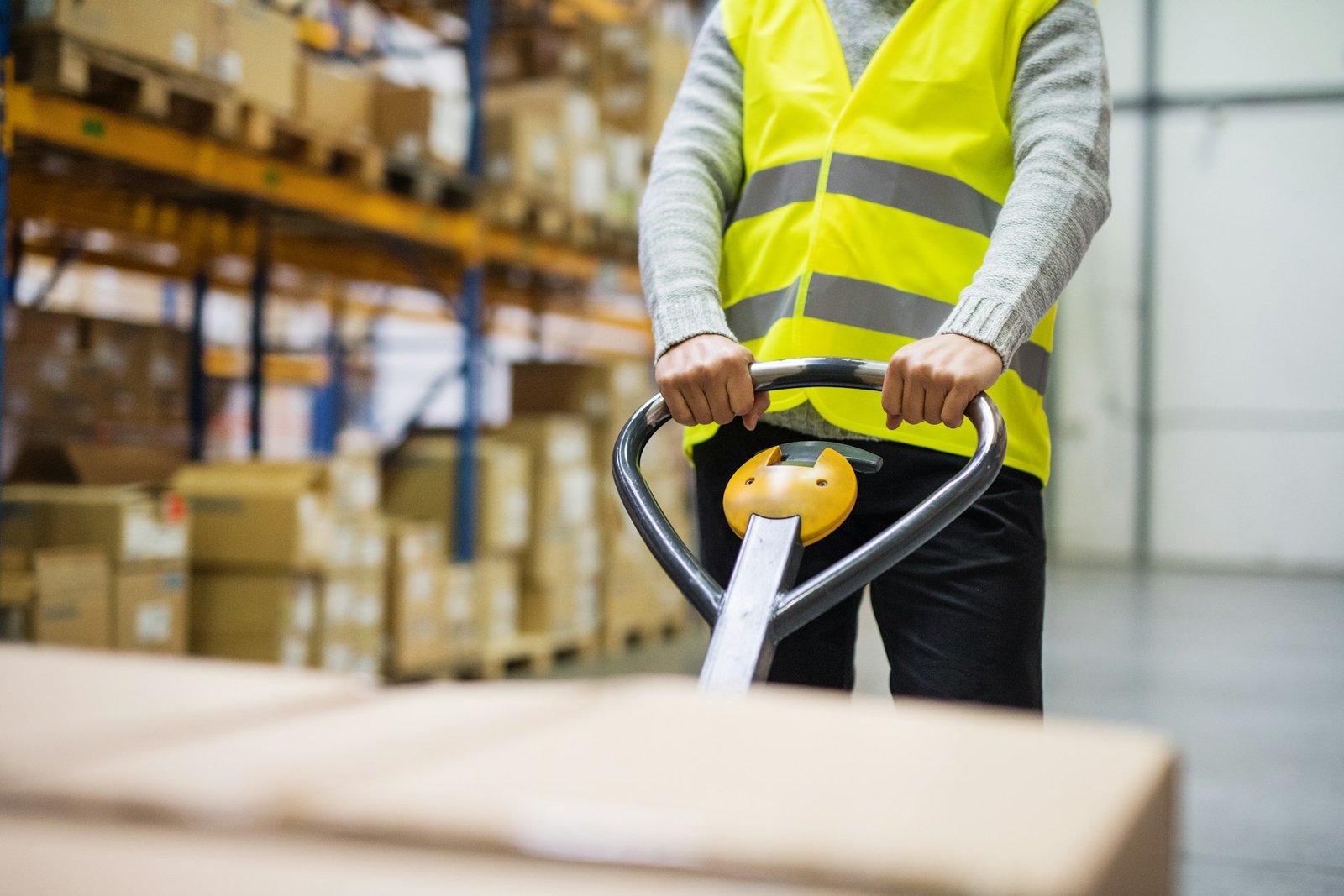
After the delivery has been counted and accepted, move the pallets into the assigned storage area.
Keep different sizes, grades, entry styles, or special-use pallets separated. Clear labels reduce the chance that an employee selects a pallet that does not match the load or customer requirement.
Avoid mixing newly delivered pallets with damaged pallets waiting for removal. If both groups use the same area, mark each section clearly enough that forklift operators can distinguish them from a normal working distance.
Update the inventory count after the pallets reach storage. Record the delivered quantity, accepted quantity, pallets placed on hold, and any shortages. That record gives purchasing a more accurate starting point for the next order.
Remove loose banding, stretch wrap, cardboard, or other delivery material from the dock after unloading. Leaving packaging behind turns a completed delivery into a housekeeping problem for the next shift.
Turn the Checklist Into a Receiving Procedure
Facilities that receive wood pallet deliveries regularly should document the process rather than rebuilding it for every order.
The procedure should identify:
- The preferred property entrance and dock
- Normal receiving hours
- The primary receiving contact
- Approved unloading equipment
- The designated staging and hold areas
- Required order documents
- Inspection responsibilities
- How discrepancies are reported
- Where each pallet type is stored
- Who updates the inventory count
Review the procedure after a delayed or difficult delivery. A problem may reveal that the instructions were incomplete, the receiving area was too small, or no one had authority to address an order discrepancy.
The strongest pallet delivery checklist is short enough to use and specific enough to prevent confusion. It should reflect the actual building, staff, equipment, and storage plan rather than a generic warehouse template.
Prepare the Dock Before the Delivery Window
A smooth wood pallet delivery depends on what happens before the truck arrives. Reserve a usable dock, clear the travel path, stage the right equipment, and create a receiving area large enough for the order. Keep questionable pallets separate until the count and specification are confirmed.
The Pallet Squad supplies wood pallets to businesses nationwide and supports one-time orders, recurring supply needs, and drop trailer arrangements. To discuss pallet specifications, quantity, delivery location, or receiving requirements, request a pallet service quote before the delivery date.