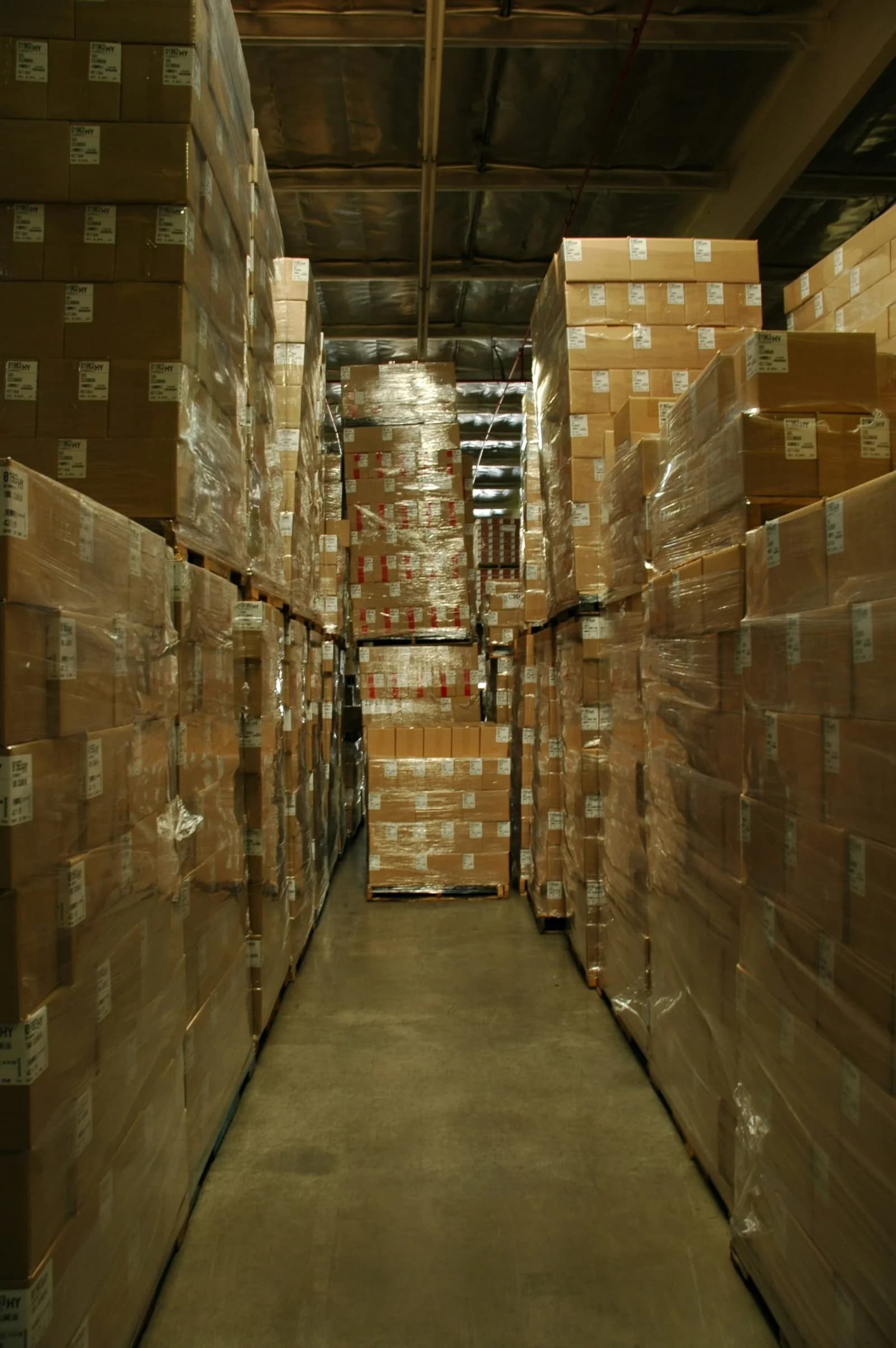
In cold chain logistics, precision isn’t optional, it’s a requirement. Every link in the supply chain must perform flawlessly to protect product integrity, safety, and compliance. But while refrigeration systems and temperature sensors often get the spotlight, one critical component is frequently overlooked: the pallet. The pallet is the foundation of every shipment, yet in refrigerated logistics, not all pallets are created equal. The right food grade pallets can mean the difference between a secure, compliant delivery and a costly product loss.
Here’s why material choice matters more than ever for cold chain pallets and how to select the best solution for your operation.
1. Understanding the Role of Pallets in the Cold Chain
The global cold chain market is projected to surpass $400 billion by 2030, driven by demand for fresh foods, pharmaceuticals, and temperature-sensitive materials. In these environments, pallets must do more than support weight, they must preserve product safety and hygiene under extreme conditions.
Cold chain pallets encounter:
- Sub-zero storage temperatures in frozen warehouses
- High humidity that accelerates corrosion and microbial growth
- Frequent temperature shifts during transport and dock transfers
- Rigorous cleaning cycles to prevent contamination
Without the right materials, these conditions can cause warping, cracking, mold growth, or even contamination, all of which compromise product integrity and regulatory compliance.
2. The Risks of Using the Wrong Pallet Material
Many companies still rely on traditional wood pallets due to availability and low upfront cost. However, in refrigerated or frozen logistics, wood often becomes a liability.
a. Moisture Retention
Wood absorbs condensation and humidity, becoming a breeding ground for bacteria, mold, and mildew. Once contaminated, it’s nearly impossible to sanitize without full replacement.
b. Structural Instability
Repeated freeze-thaw cycles can weaken wood fibers, causing warping and splintering. This affects stacking stability and increases product damage risk.
c. Contamination Risk
Even heat-treated wood can harbor pathogens if not handled properly. Food safety auditors often flag wooden pallets in refrigerated logistics environments for cross-contamination concerns.
The result? Increased product waste, failed audits, and potential violations of FDA’s Food Safety Modernization Act (FSMA) and HACCP standards.
3. Why Plastic Food Safe Pallets Are the Industry Standard
For most cold storage and refrigerated transport operations, plastic food grade pallets are now the preferred choice. They’re engineered to perform under extreme temperatures while meeting hygiene and safety regulations.
Key Advantages of Plastic Cold Chain Pallets:
| Feature | Plastic Pallets | Wood Pallets |
|---|---|---|
| Temperature Resistance | -40°F to 140°F | Limited to ~32°F–100°F |
| Moisture Absorption | Non-porous (does not absorb water) | High absorption rate |
| Cleanability | Easily pressure-washed and sanitized | Difficult to clean |
| Durability | Resistant to cracking and warping | Degrades over time in cold environments |
| Hygiene | Compliant with FDA/USDA food safety standards | Susceptible to contamination |
Because they’re non-porous, chemical-resistant, and easy to sanitize, plastic pallets are ideal for maintaining sterile conditions throughout the cold chain. Many models are even color-coded to distinguish zones or product types, reducing cross-contamination risk.
4. The Importance of Hygienic Design
Not all plastic pallets are equal, food safety depends on the design as much as the material. The best food safe pallets for refrigerated logistics incorporate hygienic features such as:
- Smooth surfaces with no crevices for debris buildup
- One-piece molded construction for easy cleaning
- Ventilated decks that allow airflow while minimizing condensation
- Rounded edges to prevent packaging punctures
- Chemical and corrosion resistance to withstand sanitizing agents
These details ensure compliance with FDA, USDA, and ISO 22000 standards while simplifying cleaning protocols during frequent temperature changes.
5. Material Selection and Operational Efficiency
In addition to safety, the right pallet material impacts logistics efficiency, a critical factor in refrigerated operations where time and temperature are tightly controlled.
a. Reduced Downtime
Plastic pallets dry faster after washing, allowing them to return to circulation immediately, unlike wood pallets, which may require hours of drying.
b. Improved Handling
Uniform dimensions and smooth undersides prevent jamming on automated conveyors and cold storage racks.
c. Lower Long-Term Costs
Although plastic pallets have a higher initial cost, their lifespan can be 5–10 times longer than wood. When combined with retrieval and recycling programs, the cost per trip drops significantly over time.
d. Traceability and Tracking
Advanced plastic pallet systems now incorporate RFID or QR code tracking, providing real-time visibility into temperature conditions, location, and usage cycles, critical for cold chain validation.
6. Sustainability and Circular Logistics
Food safety and sustainability no longer need to compete. Many companies now implement circular logistics models, reusing and recycling plastic pallets to reduce waste.
Plastic food grade pallets are fully recyclable at end of life, and manufacturers often reclaim material to produce new units.
This model:
- Eliminates landfill waste from damaged wooden pallets
- Reduces reliance on virgin lumber
- Cuts CO₂ emissions from manufacturing new pallets
According to the Reusable Packaging Association, companies using recycled plastic pallets can reduce lifecycle carbon emissions by up to 35–45% compared to single-use wood.
7. Compliance and Audit Readiness
In food and beverage logistics, regulatory compliance is non-negotiable. Auditors from the FDA, USDA, and GFSI programs often evaluate pallet materials during facility inspections.
Using food safe pallets simplifies documentation and risk management.
- Meets FSMA traceability standards
- Supports HACCP hazard analysis for contamination prevention
- Facilitates audit readiness by eliminating porous, absorbent materials
For multi-site operations, consistent pallet standards across facilities also ensure a uniform level of safety and efficiency.
8. The Bottom Line: Material Choice = Product Protection
When it comes to cold chain operations, pallet material is not just a procurement decision, it’s a strategic safeguard for product integrity, compliance, and brand reputation.
- Plastic cold chain pallets resist moisture, bacteria, and breakage.
- They help facilities maintain sanitary environments under extreme temperatures.
- They improve traceability, reduce waste, and support long-term sustainability goals.
In the end, the right food safe pallets are not just tools, they’re the foundation of every compliant, efficient, and sustainable refrigerated logistics system.
Contact The Pallet Squad
Looking for durable, FDA-compliant food grade pallets built for cold chain logistics?
Contact The Pallet Squad today to explore our refrigerated logistics pallet solutions, designed for maximum hygiene, reliability, and sustainability across your supply chain.