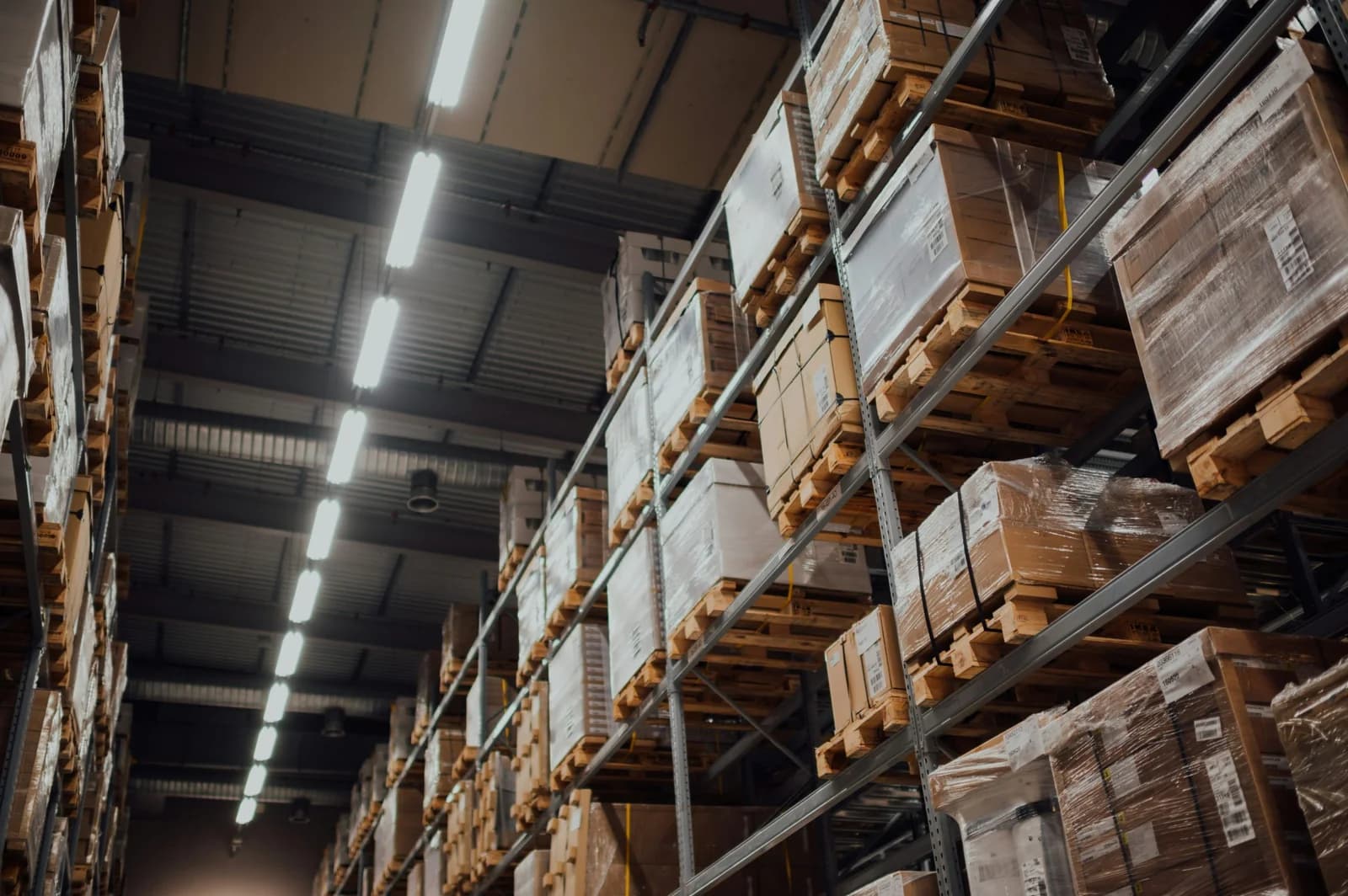
Every retail supply chain depends on one simple but powerful principle: efficiency.
When stores need replenishment, timing is everything. Shelves can’t wait and neither can customers. Yet behind every restock cycle lies an often-overlooked factor that determines how fast, smooth, and cost-effective that process will be: the pallet system.
While retail logistics has advanced with automation, forecasting software, and real-time data, the humble retail pallet remains the foundation that physically connects every step, from manufacturer to warehouse to store shelf. Optimizing how those pallets move, load, and integrate with packaging can dramatically improve supply chain performance and store replenishment speed.
Let’s look at how smarter pallet logistics is redefining modern retail efficiency.
1. The Hidden Bottlenecks in Retail Replenishment
Most inefficiencies in retail logistics don’t stem from technology, they stem from misalignment. When pallet configurations, packaging, and delivery schedules don’t align, operations slow down.
Common pain points include:
- Mismatched pallet sizes that require re-stacking or manual handling.
- Non-uniform packaging that doesn’t fit standard pallet footprints.
- Multiple handling steps between distribution center and retail floor.
- Damaged pallets or packaging that disrupt automation or require rework.
In large retail networks handling thousands of SKUs, these micro-delays add up to hours of lost productivity per store per week.
2. Store-Ready Pallet Systems: The Shift Toward Direct Replenishment
Leading retailers have embraced a game-changing concept: store-ready pallets (also called “display-ready pallets” or “retail-ready units”).
Instead of requiring unpacking and shelf-stocking, these pallets are designed to move directly from truck to aisle, minimizing touchpoints.
Key Characteristics of Store-Ready Pallets:
- Standardized dimensions compatible with store fixtures and backroom layouts.
- Branded or pre-packaged displays that are shelf-ready.
- Ergonomic access for quick roll-in and removal.
- Durable construction that withstands repeated handling.
This approach reduces labor, shortens shelf turnaround time, and improves product presentation, all while keeping packaging intact. In fact, retailers that switch to store-ready systems typically report 10–20% reductions in in-store handling time and fewer product losses due to damage.
3. Pallet Logistics as a Driver of Supply Chain Optimization
To understand how pallet systems improve store replenishment, it helps to view them as logistics enablers, not just shipping platforms.
a. Streamlining Distribution Center Operations
Standardized retail pallets improve warehouse automation by fitting seamlessly into racking systems, conveyors, and robotic pickers. When every pallet meets uniform specifications, loading accuracy increases, and manual rework decreases.
b. Enhancing Transportation Efficiency
Pallet optimization improves truckload utilization, allowing more goods to ship per route. A 2–3% increase in load density across thousands of shipments translates to measurable savings in fuel, labor, and carbon footprint.
c. Speeding Up Store Replenishment
By aligning packaging and pallet formats, shipments arrive in store-specific configurations. Employees can move inventory directly to the floor without re-stacking, reducing restock time by up to 30%.
In short, pallet logistics serves as the mechanical backbone of supply chain optimization, supporting speed, accuracy, and sustainability at scale.
4. Integrating Packaging and Pallet Design
Efficiency isn’t just about the pallet itself, it’s about the system it supports.
When packaging and pallet design are developed together, the entire flow becomes more cohesive and predictable.
How Integration Works:
- Collaborative design: Packaging engineers and pallet suppliers coordinate size, strength, and material compatibility.
- Load optimization modeling: Software simulations determine the ideal stacking configuration for maximum stability.
- Protection + presentation: Palletized units double as marketing displays, reducing unpacking time while preserving visual appeal.
For example, grocery and beverage retailers often use modular cartons that stack perfectly on a 48×40 GMA pallet. The result? Stable loads, minimal waste, and rapid in-store restocking, all achieved through intelligent design alignment.
5. Real-World Impact: The Numbers Behind Pallet Efficiency
Data shows how small logistical adjustments can yield major results:
| Metric | Before Optimization | After Pallet & Packaging Integration |
|---|---|---|
| Labor Hours per Replenishment | 6–8 hours | 4–5 hours |
| Pallet Damage Rate | 5–7% | 1–2% |
| Warehouse Throughput | Baseline | +12% |
| Product Waste / Damage | 3–4% | <1% |
| On-Shelf Availability | 92% | 98% |
When applied across hundreds of stores, these incremental improvements translate to millions in annual savings and stronger customer satisfaction scores.
6. Sustainability Through Smarter Pallet Systems
Efficiency and sustainability often overlap in retail logistics.
By optimizing pallet use, companies can:
- Reduce waste from damaged packaging and single-use pallets.
- Lower fuel consumption through denser shipments.
- Integrate reusable pallet programs that support circular logistics.
Many retailers now partner with pallet providers offering retrieval and recycling services, closing the loop between distribution and reuse. These programs not only minimize waste but also align with corporate ESG and zero-waste goals.
7. The Future: Data, Automation, and Smart Retail Pallets
As retail logistics evolves, the next wave of innovation centers on data-enabled pallets, integrated with RFID chips and IoT sensors.
These smart pallets can:
- Track location and temperature in real time.
- Report load conditions and delivery timelines automatically.
- Provide insights into replenishment cycle efficiency.
By merging physical efficiency with digital intelligence, retailers can achieve true end-to-end supply chain optimization, reducing human error while maximizing speed and transparency.
Retail logistics doesn’t have to be complicated. Sometimes, the simplest optimizations, like aligning pallet and packaging systems, deliver the biggest payoffs.
Efficient retail pallets eliminate redundant handling, streamline store replenishment, and support sustainable, data-driven operations. For retailers navigating shrinking margins and rising consumer expectations, pallet efficiency isn’t just operational housekeeping, it’s a competitive advantage.
Contact The Pallet Squad
Looking to streamline your store replenishment strategy?
Contact The Pallet Squad to learn how optimized retail pallet systems and packaging integration can improve logistics performance, reduce costs, and keep your shelves stocked efficiently.