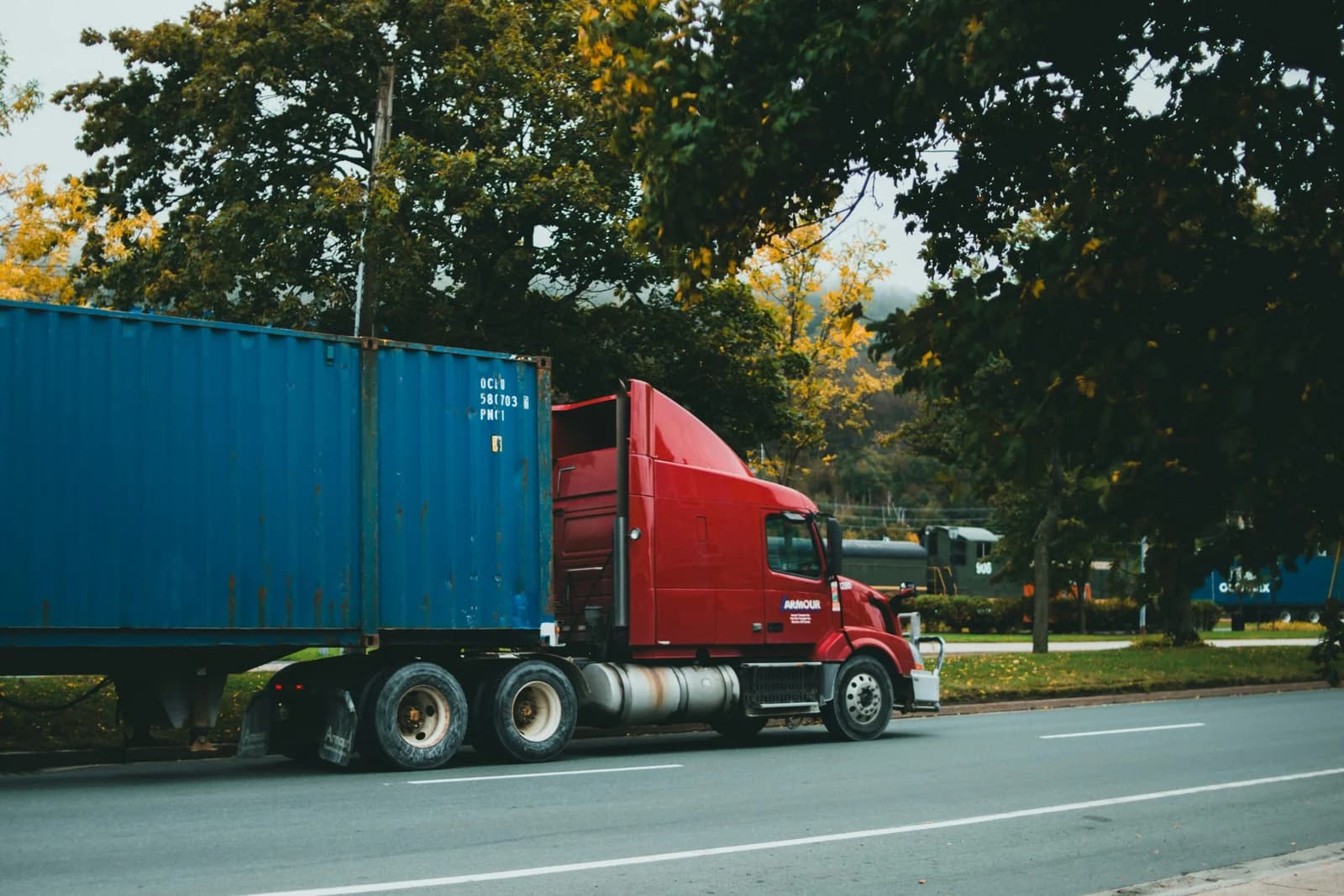
Industrial shipping is unforgiving. When you’re moving steel, machinery, dense building materials, or high-weight manufactured components, the pallet becomes a structural part of the load, not a simple platform underneath it. And when pallets fail, the consequences are immediate: damaged product, unsafe handling conditions, delayed shipments, and expensive claims.
That’s why choosing the right heavy duty wood pallets is one of the most important safety and cost-control decisions an operations team can make. A pallet that’s too light for the job may crack, flex, or collapse under real-world conditions, especially when loads are moved repeatedly, stored in racking, or shipped long distances.
This guide explains how heavy duty wood pallets prevent load failures, which features matter most, and how to build a pallet program that supports reliable industrial shipping.
1. What Causes Load Failures in Industrial Shipping?
Before you can prevent pallet failures, you have to understand why they happen. In most industrial environments, load failures come from one of four causes:
Overloading beyond real performance limits
A pallet might support weight on the floor, but fail when lifted because dynamic forces are higher than static weight.
Concentrated point loads
Industrial products often rest on small contact points (equipment feet, steel bands, skids), which crush deck boards or split stringers.
Inconsistent pallet quality
Mixed grades, weak repairs, and hidden damage create unpredictable performance.
Handling stress
Fork impacts, fast turns, uneven lifts, and rough staging create structural damage long before a pallet visibly “breaks.”
Heavy duty wood pallets are designed to counter these risks with stronger construction and better load support.
2. What Makes a Pallet “Heavy Duty”?
Not all wood pallets are built to handle industrial shipping. Heavy duty pallets typically include:
- Thicker deck boards to resist cracking
- Reinforced stringers or blocks for higher load strength
- Closer deck spacing for better weight distribution
- Stronger fasteners and improved nail patterns
- Bottom deck reinforcement for stability and repeated forklift movement
- Designs engineered for higher dynamic and racking demands
In practical terms, heavy duty pallets reduce deflection, prevent structural splitting, and keep loads stable through transport and handling.
3. Static vs Dynamic Load: The Rating Mistake That Causes Failures
One of the most common causes of pallet failure is confusing static and dynamic requirements.
Static load
The pallet’s capacity while sitting still on a solid surface.
Dynamic load
The capacity while being lifted or moved by a forklift or pallet jack.
Dynamic forces can be significantly higher because lifting introduces:
- leverage
- vibration
- sudden shocks
- uneven weight distribution
That’s why a load that sits “fine” in staging may fail when picked up.
Industrial best practice: Choose heavy duty wood pallets that exceed your dynamic requirement—not just static weight.
4. Key Heavy Duty Wood Pallet Designs That Prevent Failures
Reinforced Stringer Pallets
These use thicker stringers and extra deck boards to improve strength.
Best for:
- standard industrial footprints
- high-volume domestic shipping
- heavy but stable loads
Why they prevent failure:
- stronger load-bearing structure
- reduced cracking under lift stress
- better durability in repetitive handling
Block Pallets for High-Stress Industrial Shipping
Block pallets use corner and center blocks instead of long stringers and typically allow true 4-way entry.
Best for:
- heavy or uneven loads
- multi-touch handling environments
- racking systems
- high-velocity warehouses
Why they prevent failure:
- improved rigidity
- better load distribution
- fewer forklift entry impacts
- increased stability for irregular loads
Full-Deck Heavy Duty Pallets
Full-deck pallets use more coverage on the top deck to reduce point-load damage.
Best for:
- machinery with small feet
- steel components with uneven bases
- fragile packaged industrial goods
Why they prevent failure:
- spreads weight across more surface area
- prevents deck board crushing
- stabilizes loads during movement
Custom Heavy Duty Pallets
Not all industrial loads fit 48×40. Custom size heavy duty pallets reduce overhang and tipping risk.
Best for:
- long loads (pipe, profiles, beams)
- oversized equipment
- high-value industrial components
Why they prevent failure:
- load sits fully supported
- reduced leverage points
- better stability during forklift movement
5. The Industrial Loads That Require Heavy Duty Wood Pallets
Heavy duty wood pallets are especially important for:
- Steel and metal fabrication
- Machinery and industrial equipment
- Automotive engines and components
- Construction materials (tile, block, bagged goods)
- Pumps, valves, and oilfield parts
- Compressed loads (paper rolls, dense packaging materials)
These loads frequently create point-load pressure, repeated handling stress, and long-haul shipping conditions that quickly destroy standard pallets.
6. How to Reduce Load Failures With Better Securement
Even heavy duty pallets can fail if loads aren’t secured correctly.
Best practices include:
Strapping and banding
- Strap to stable load points
- Use corner boards to prevent strap damage
- Avoid bands cutting into deck boards under tension
Blocking and bracing
- Use wood blocking to prevent shifting
- Support irregular bases so weight is evenly distributed
Stretch wrap + top caps
- Add stability for boxed loads
- Improve stacking strength where required
The goal is to make pallet + product behave like one stable unit.
7. Preventing Hidden Pallet Failures Through Inspection and Sorting
Many pallet failures aren’t sudden, they’re cumulative.
A heavy duty pallet can weaken over time due to:
- stringer cracks
- loose nails
- board splitting
- worn entry points
To prevent failures, industrial operations should:
- inspect pallets regularly
- separate repairable pallets from scrap immediately
- avoid sending questionable pallets into heavy-load shipping
- enforce consistent grading standards
A disciplined inspection process reduces load failures more than most companies realize.
8. Building a Heavy Duty Pallet Program for Multi-Site Industrial Networks
If you ship industrial loads from multiple locations, standardizing heavy duty pallet specs becomes essential.
A strong program includes:
- consistent pallet design for each product category
- standardized grades across facilities
- scheduled replenishment to prevent shortages
- pallet recycling and repair to extend life cycles
- tracking and reporting to reduce shrink and emergency buying
This keeps pallet performance stable across sites and improves cost control.
Industrial shipping requires more than “good enough” pallets. Heavy loads, repeated forklift movement, point-load pressure, and long-haul freight conditions demand pallets that are engineered for durability and stability.
Choosing heavy duty wood pallets helps prevent load failures by providing:
- stronger structural support
- better weight distribution
- reduced deflection and cracking
- safer handling under dynamic conditions
- better freight stability and fewer damages
When pallets are treated as part of the industrial load system, not an afterthought, your operation becomes safer, more efficient, and more reliable.
Contact The Pallet Squad
Need dependable heavy duty wood pallets built for industrial loads, repeated handling, and tough shipping environments? Contact The Pallet Squad to build a pallet supply program designed to prevent load failures and keep your operation running smoothly.