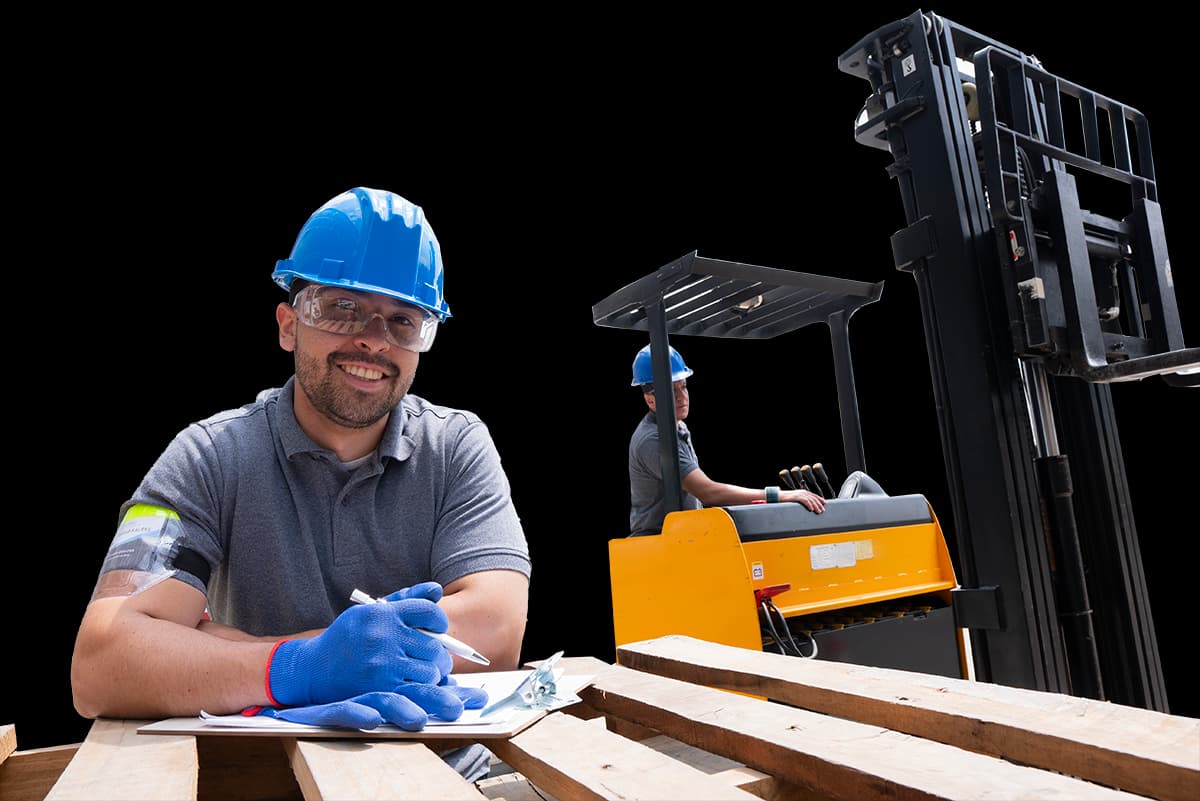
Wood pallets are the unsung heroes of the logistics world, silently supporting the movement of goods across warehouses, distribution centers, and beyond. However, like any tool, they require proper care and maintenance to ensure continued efficiency and longevity. Paying attention to pallet maintenance compromises safety and undermines operational productivity. Here’s a comprehensive guide on maintaining wood pallets for sustained efficiency in the workplace.
Regular Inspection
Visual Checks
Perform routine visual inspections to identify any signs of damage, such as cracks, splinters, or loose boards. Pay special attention to the pallet’s corners and edges, as these areas are prone to wear and tear.
Structural Integrity
Apply pressure to various points on the pallet to test its structural integrity. A sturdy pallet should not flex or creak excessively. If you notice any weaknesses or instability, consider repairing or replacing the pallet to prevent accidents.
Cleaning and Sanitization
Remove Debris
Clear the pallet surface of any debris, dirt, or spills to maintain a clean working environment and prevent contamination of goods. Use a broom, brush, or air compressor to dislodge stubborn particles.
Sanitize as Needed
Regularly sanitize wood pallets to eliminate bacteria, mold, and other pathogens that can compromise product safety. Depending on the application, you can use a variety of cleaning agents, such as mild soap and water, bleach solutions, or specialized sanitizers.
Repair and Maintenance
Fix Loose Nails and Boards
Repair loose nails or boards promptly to prevent further damage and ensure structural stability. Use a hammer and nails or screws to reattach loose components securely.
Reinforce Weak Spots
To strengthen weak spots on the pallet, add additional support, such as metal brackets or reinforcing plates. This helps prolong the pallet’s lifespan and prevent premature failure under heavy loads.
Storage and Handling
Proper Storage
Store wood pallets in a dry, well-ventilated area away from moisture and direct sunlight. Elevated storage racks or pallet stands help prevent damage from pests, water, and forklift traffic.
Safe Handling Practices
Train employees on safe handling practices to minimize pallet damage and workplace accidents. Emphasize techniques for lifting, stacking, and transporting pallets to reduce the risk of injuries and structural damage.
Rotation and Recycling
Rotation Policy
Implement a rotation policy to ensure pallets are used evenly and prevent overloading or excessive wear on individual units. Rotate pallets based on their condition and usage history to maximize their lifespan.
Recycling Program
Establish a pallet recycling program to dispose of damaged or retired pallets responsibly. Recycled wood pallets can be repaired, refurbished, or repurposed, reducing waste and minimizing environmental impact.
Properly maintaining wood pallets ensures continued efficiency and safety in the workplace. By incorporating regular inspections, cleaning and sanitization, repair and maintenance practices, proper storage and handling techniques, and implementing rotation and recycling programs, businesses can extend the lifespan of their pallets and optimize their logistics operations. Investing time and resources in pallet maintenance enhances operational efficiency and demonstrates a commitment to workplace safety and sustainability.