Wood pallets are a fundamental component in the logistics and supply chain industry, crucial in transporting, storing, and distributing goods. Whether you’re new to using wood pallets or have been working with them for years, you likely have questions. Below, we’ve compiled answers to some of the most common questions about wood pallet to help you understand their use and importance better.
What is a Wood Pallet?
Wood pallets are flat structures that support good stability while being lifted by a forklift, pallet jack, or other jacking device. They are typically made from hardwood or softwood and come in various sizes, the most common size being 48×40 inches in North America.
Why are Wood Pallets Used?
Wood pallets are used for their strength, durability, and cost-effectiveness. They provide a reliable foundation for stacking, storing, and transporting goods, ensuring that products are secure and damage-free. Additionally, wood pallets are reusable and can be repaired, making them a sustainable choice for businesses.
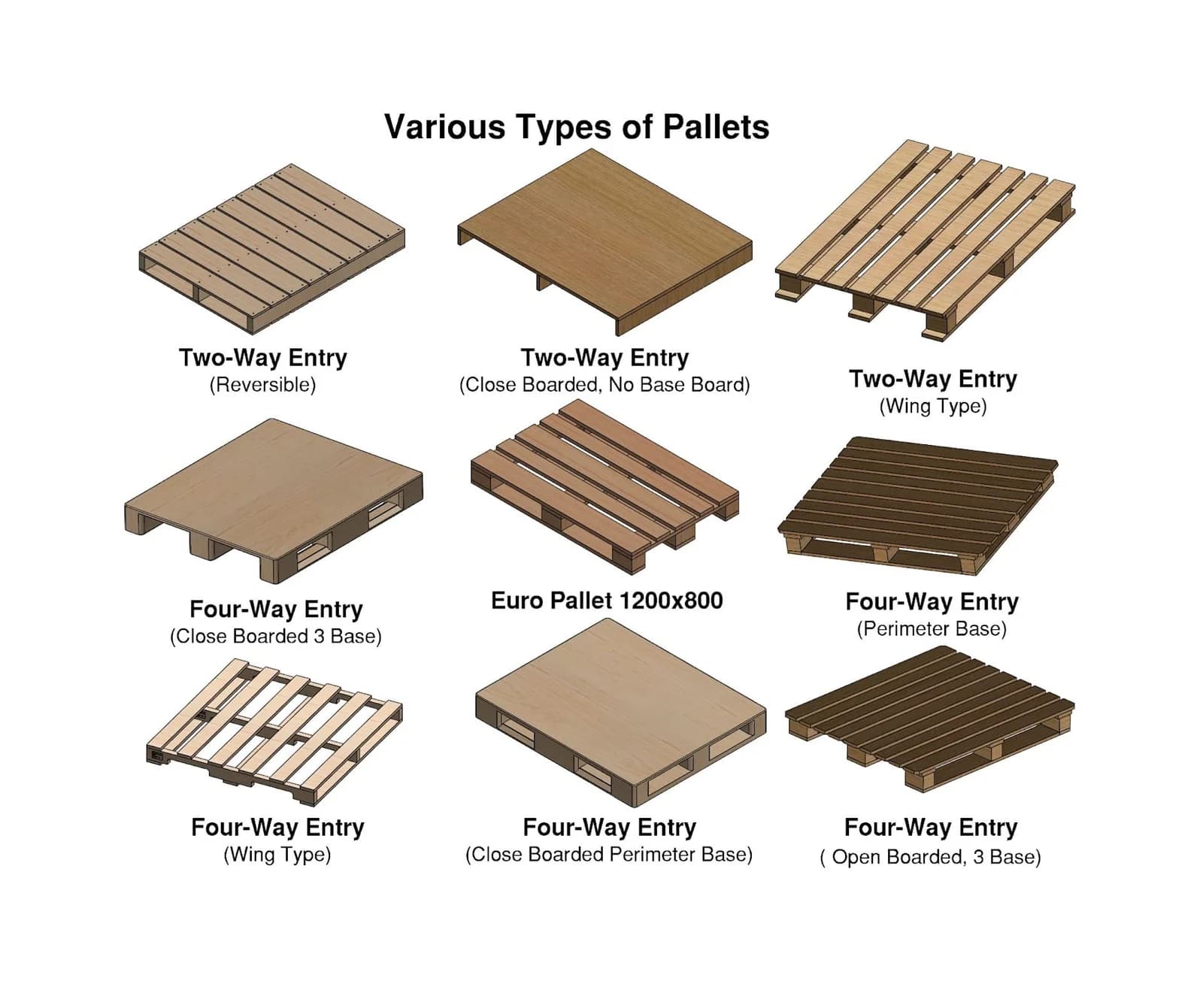
What are the Different Types of Wood Pallets?
There are several types of wood pallets, each designed for specific purposes:
- Stringer Pallets: Use a frame of three or more parallel timber pieces (stringers). The top deck boards are then affixed to the stringers to create the pallet structure.
- Block Pallets: Use parallel and perpendicular stringers, which are usually more robust and allow for four-way forklift entry.
- Double-Face Pallets: Have both a top and bottom deck, which provides additional support and stability.
- Winged Pallets: Have deck boards that extend beyond the stringers or blocks, offering more space and better load distribution.
How are Wood Pallets Constructed?
Wood pallets are constructed using several key components:
- Deck boards: The flat pieces on the top and bottom of the pallet.
- Stringers: The parallel pieces that support the deck boards.
- Blocks: These square posts provide additional support and four-way entry in block pallets.
The construction process involves:
- Cutting the wood to the desired dimensions.
- Assembling the stringers and deck boards.
- Securing them with nails or screws.
The pallets may then be heat-treated or chemically treated to comply with international shipping regulations.
What are the Standard Sizes of Wood Pallets?
The standard pallet size in North America is 48×40 inches, commonly called the GMA (Grocery Manufacturers Association) pallet. However, other standard sizes exist for different regions and industries, such as:
- Europe: 1200×800 mm (EUR-pallet or Euro pallet)
- Asia: 1100×1100 mm
- Australia: 1165×1165 mm
Custom sizes can also be manufactured to meet specific needs.
How Much Weight Can a Wood Pallet Hold?
The weight capacity of a wood pallet depends on its design and construction. Standard 48×40-inch pallets can typically hold between 4,000 and 5,000 pounds. However, the exact capacity can vary based on the materials used and the pallet’s condition. It’s essential to check the manufacturer’s specifications for precise load limits.
Are Wood Pallets Recyclable?
Yes, wood pallets are highly recyclable. They can be reused multiple times for various purposes, such as:
- Repairing: Damaged pallets can often be repaired and reused.
- Repurposing: Old pallets can be turned into furniture, garden planters, and other DIY projects.
- Recycling: Wood from pallets can be ground into mulch, animal bedding, or biomass for energy production.
What are the Benefits of Using Wood Pallets?
Wood pallets offer several benefits, including:
- Cost-Effectiveness: Generally cheaper than plastic or metal pallets.
- Durability: Strong and can withstand heavy loads and rough handling.
- Availability: Easily accessible and can be custom-made to fit specific requirements.
- Sustainability: Made from renewable resources and can be recycled or repurposed.
How Should Wood Pallets Be Stored?
Proper storage of wood pallets is essential to maintain their longevity and safety. Here are some tips:
- Dry Environment: Store pallets in a dry area to prevent moisture damage and mold growth.
- Stacking: Stack pallets evenly and not too high to avoid tipping over.
- Inspection: Regularly inspect pallets for damage and repair or replace as needed.
- Pest Control: To prevent pest infestations, ensure pallets are treated and stored correctly.
Are There Regulations for Wood Pallets?
Yes, there are regulations for wood pallets, especially for international shipping. The International Standards for Phytosanitary Measures No. 15 (ISPM 15) require wood pallets to be heat-treated or fumigated with methyl bromide to prevent the spread of pests. Treated pallets are stamped with a certification mark to indicate compliance.
Wood pallets are essential to modern logistics and supply chains, offering a versatile and sustainable transportation solution. Understanding the different types of pallets, their construction, and proper handling can help you make the most of these indispensable tools. Whether you’re a business owner, a warehouse manager, or a DIY enthusiast, knowing the ins and outs of wood pallets can enhance your operations and projects.