When sourcing pallets, one of the most common questions operations managers ask is simple:
Should we buy new pallets or recycled ones?
Quality concerns, customer requirements, or specific load needs often drive searches for new wood pallets for sale. But while new pallets offer uniformity and strength, they aren’t always the most cost-effective solution for every shipment.
The right decision depends on freight type, handling conditions, customer expectations, and total cost of ownership, not just upfront price.
This guide breaks down when new wood pallets make operational sense, when recycled pallets provide better value, and how to build a pallet program that balances both.
What Are New Wood Pallets?
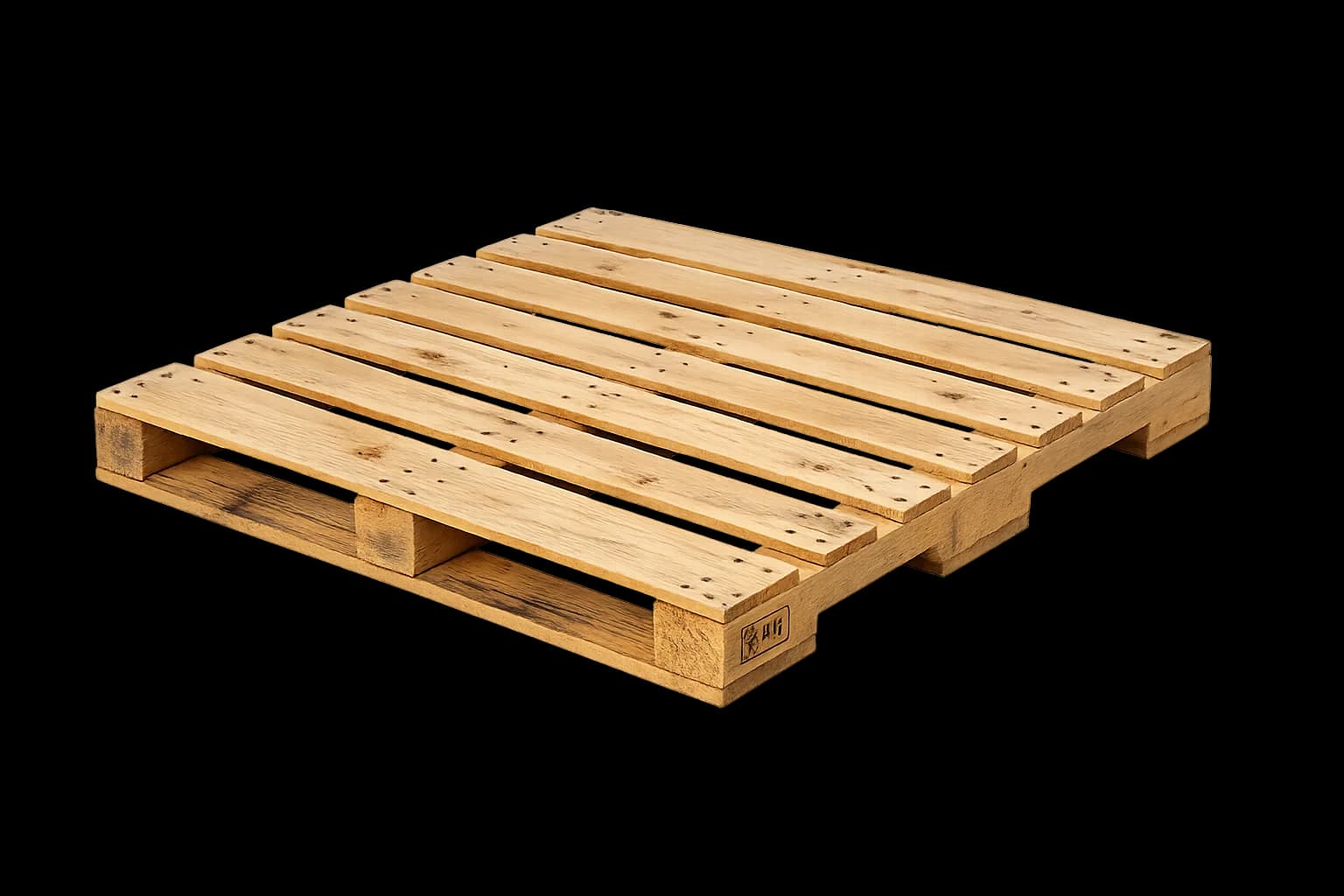
New wood pallets are built from new lumber and have never been used in a shipping cycle. They are:
- Uniform in size and appearance
- Structurally consistent
- Built to exact specifications
- Free from prior repairs
- Often required for export (when heat-treated)
They are commonly used in industries that demand predictable load performance or clean presentation.
When New Wood Pallets Make Sense
While recycled pallets work for many operations, there are specific scenarios where buying new wood pallets is the smarter decision.
1. High-Value or Sensitive Freight
If you ship:
- Machinery
- Electronics
- Pharmaceuticals
- Specialty equipment
- Fragile or high-margin goods
New pallets reduce risk because:
- There are no hidden prior repairs
- Lumber strength is consistent
- Structural integrity is predictable
For shipments where damage claims are costly, the added reliability of new pallets often justifies the higher price.
2. Export Shipments Requiring Heat Treatment
International shipments frequently require ISPM 15-compliant, heat-treated pallets.
While some recycled pallets are heat-treated, many exporters prefer new wood pallets to:
- Ensure compliance clarity
- Avoid stamp confusion
- Reduce inspection delays
- Meet customer import requirements
If customs compliance is critical, new wood pallets often simplify documentation.
3. Automated and Racking-Heavy Warehouses
In facilities using:
- Conveyor systems
- Automated storage
- High-bay racking
Uniform pallet dimensions matter. Variations in deck height, board spacing, or structural repair quality can cause handling issues.
New pallets offer:
- Consistent sizing
- Reduced risk of snagging or misalignment
- Better predictability in automated environments
4. Customer-Facing Presentation Matters
Retail or branded environments may prefer new pallets for aesthetic reasons, especially when:
- Pallets remain visible in store displays
- Clean appearance is part of brand presentation
- Customers require uniform loads
While this isn’t always necessary, some retail environments favor new wood pallets for visual consistency.
When Recycled Pallets Are the Better Value
For many operations, recycled pallets provide strong performance at a lower cost.
1. High-Volume Domestic Distribution
If you ship:
- Consumer packaged goods
- Building materials
- Industrial supplies
- General retail freight
Recycled pallets often perform just as effectively for a lower upfront cost.
For high-turn distribution centers, recycled pallets offer:
- Lower cost per pallet
- Strong structural performance
- Wide regional availability
- Repairability and reuse
2. Cost-Controlled Procurement Environments
New wood pallets are more sensitive to lumber market fluctuations. When lumber prices rise, new pallet pricing typically follows.
Recycled pallets are often:
- Less volatile in pricing
- More accessible in regional markets
- More economical for everyday outbound shipments
For cost-sensitive operations, recycled pallets reduce total pallet spend.
3. Sustainability Goals
Recycled pallets support sustainability initiatives by:
- Extending wood life cycles
- Reducing demand for new lumber
- Diverting usable wood from waste streams
- Supporting recycling programs
Companies focused on environmental impact often incorporate recycled pallets into their broader sustainability strategy.
Comparing Total Cost: New vs Recycled
The decision between new wood pallets for sale and recycled pallets should include total cost considerations:
| Factor | New Wood Pallets | Recycled Pallets |
|---|---|---|
| Upfront cost | Higher | Lower |
| Structural consistency | Very high | Varies by grade |
| Appearance | Uniform | Mixed |
| Export compliance | Often preferred | Possible if treated |
| Availability | Dependent on lumber | Often regionally abundant |
| Sustainability | New lumber usage | Reuse and repair focused |
The most cost-effective pallet program is often a hybrid approach.
The Hybrid Strategy: Use Both Where They Make Sense
Many operations optimize cost and performance by using:
- New pallets for high-value, export, or automation-dependent shipments
- Recycled pallets for routine domestic distribution
This strategy balances:
- Reliability
- Budget control
- Risk reduction
- Sustainability
Rather than committing exclusively to one type, aligning pallet type with shipment risk often produces the best results.
How to Evaluate a Supplier When Buying New Wood Pallets
If you decide new wood pallets are necessary, look for a supplier that offers:
- Consistent lumber quality
- Clear load rating information
- Transparent pricing
- Reliable delivery schedules
- Pickup and recycling support for end-of-life pallets
Even new pallets should be part of a structured program, not just one-off purchases.
Searching for new wood pallets for sale usually means you’re prioritizing reliability, compliance, or presentation. And in certain applications, especially export, automation, or high-value freight, new pallets absolutely make sense.
But for many domestic shipping operations, recycled pallets deliver strong performance at a better overall value.
The smartest pallet strategy isn’t about choosing one universally. It’s about matching pallet type to shipment risk, operational environment, and cost goals.
When pallet decisions are intentional rather than reactive, you reduce damage risk, stabilize supply, and control total spend.
Contact The Pallet Squad
If you’re evaluating new wood pallets for sale or considering a hybrid program that balances new and recycled options, contact The Pallet Squad to build a pallet supply strategy tailored to your operation.