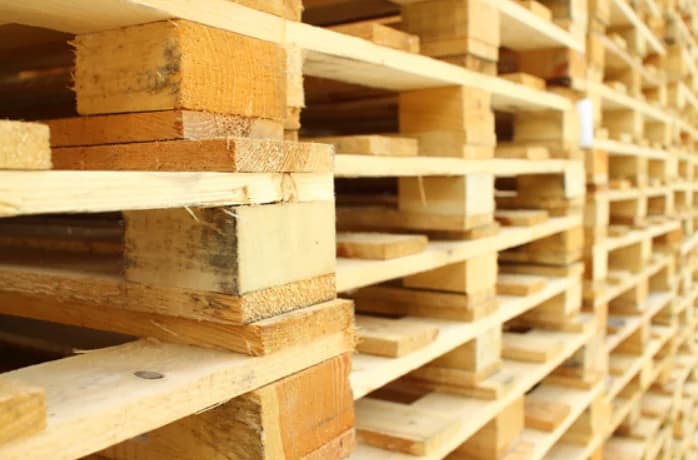
Not all pallets are created equal, and if you’re in the business of buying pallets, knowing how to evaluate pallet grades can make a huge difference in cost, safety, and functionality. Whether you’re purchasing used pallets to cut costs or sourcing new ones for cleanroom environments, understanding pallet grading is essential to making smart buying decisions.
What Are Pallet Grades?
Pallet grades refer to the classification of used or refurbished wooden pallets based on their condition, strength, and appearance. These grades help buyers quickly assess the quality and suitability of a pallet for their specific needs.
While grading systems can vary slightly between suppliers, most follow a general three-tier classification: Grade A, Grade B, and Grade C.
Grade A Pallets (Premium Quality)
- Best for: Retail, food service, and export
- Condition: Lightly used, minimal to no repairs
- Appearance: Clean wood, intact boards, no staining or major damage
Grade A pallets are the most desirable among used pallets. They’re close in quality to new ones but come at a lower cost. They’re ideal when appearance, cleanliness, and structural integrity are important.
Grade B Pallets (Standard Quality)
- Best for: Warehousing, internal shipping, or manufacturing
- Condition: Multiple repairs, more visible wear
- Appearance: May have patched stringers or deckboards, but still structurally sound
Grade B pallets are a practical option when aesthetics aren’t a priority. They’re solid and serviceable, making them perfect for behind-the-scenes or short-term applications.
Grade C Pallets (Economy Quality)
- Best for: DIY projects, recycling, or one-way shipments
- Condition: Heavily used, often with visible damage or multiple repairs
- Appearance: Worn, with a mix of board sizes and noticeable inconsistencies
Grade C pallets are the lowest on the quality scale. They’re not usually suitable for heavy loads or repeated use, but can work well for budget-conscious buyers who need temporary solutions.
Choosing the Right Pallet Grade for Your Business
When evaluating which pallet grade to buy, consider:
- Intended use: Will it be visible to customers or used for heavy stacking?
- Load requirements: Higher grades are safer for heavy or valuable loads.
- Budget: Lower grades are more affordable but may not last as long.
- Industry regulations: Some sectors, like pharmaceuticals or food, require higher-grade or heat-treated pallets.
Bonus Tip: Ask About Combo Pallets
Some suppliers offer combo pallets, a hybrid of new and used materials (e.g., new stringers with used deckboards). These provide a solid middle ground between cost and performance when standard pallet grades don’t quite fit your needs.
Understanding pallet grades is key to making informed decisions and maximizing your investment. Whether you’re buying in bulk for shipping or sourcing a few for creative reuse, knowing what each grade offers will help you get the best value without compromising safety or functionality.