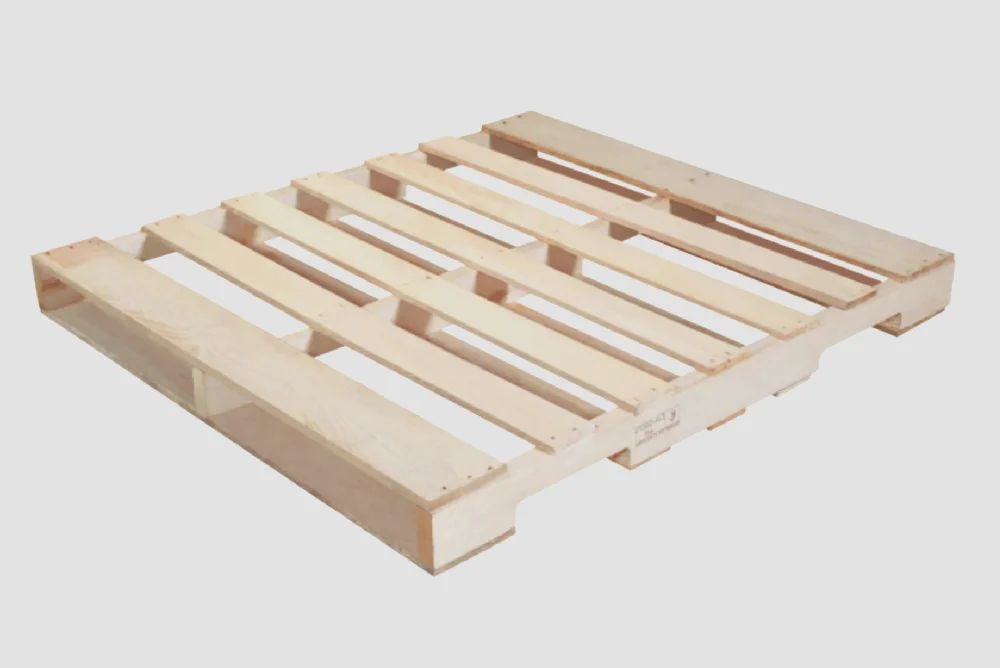
In the world of logistics and warehousing, pallets may seem simple at first glance, but anyone who’s spent time in the industry knows there’s a surprising amount of variation when it comes to pallet sizes and types. Whether you’re managing inventory, shipping goods, or purchasing pallets for your operation, understanding the different options available can save you money, improve efficiency, and prevent costly headaches.
Why Pallet Sizes Matter
A standard pallet may seem like a one-size-fits-all solution, but dimensions vary depending on industry, location, and purpose. Choosing the wrong size can mean wasting storage space, dealing with load instability, or paying more for transportation.
Quick Stats:
- The most common pallet size in North America is 48” x 40”, used in about 35% of shipments.
- The ISO recognizes six standard pallet sizes used globally across different regions and industries.
- Using the wrong pallet size can reduce load efficiency by up to 15%, especially in shipping containers.
Common Pallet Sizes and Their Uses
Let’s break down the most widely used pallet sizes in the industry:
1. 48″ x 40″ (GMA Standard Pallet)
- Most common in North America
- Widely used in grocery, retail, and general warehousing
- Supports most racking systems and forklifts
2. 42″ x 42″
- Popular in the telecommunications and paint industries
- Square shape is ideal for maximizing space in shipping containers
3. 48″ x 48″
- Common in the beverage and chemical industries
- Provides a stable base for heavy drums or large containers
4. 36″ x 36″
- Typically used for smaller, lighter loads
- Handy for retail and point-of-sale displays
5. Europe’s 1200mm x 800mm (Euro Pallet)
- Standard for European logistics
- Complies with European railway and container sizing
Types of Pallets by Material
While size is critical, pallet material type also plays a big role in choosing the right one for your operation:
- Wooden Pallets – Durable, repairable, and recyclable. Most commonly used across industries.
- Plastic Pallets – Lightweight, clean, and reusable. Ideal for pharmaceuticals and food handling.
- Metal Pallets – Best for extremely heavy loads or specialized environments (like high heat or chemical exposure).
- Corrugated/Cardboard Pallets – Lightweight and recyclable, great for single-use applications.
Choosing the Right Pallet Size and Type
Ask yourself:
- What are you shipping or storing?
- Will the pallet be reused, or is it a one-way shipment?
- Are there size restrictions in your warehouse or truck?
- Do your products require food-safe, moisture-resistant, or hygienic materials?
Matching pallet sizes and types to your specific needs helps streamline operations and improve safety.
Bonus Tip: Custom Pallets Are an Option
If your products don’t fit any of the standard pallet sizes, consider working with a supplier who offers custom solutions. While they may cost more upfront, the long-term benefits, like less damage, improved space utilization, and smoother transport, can outweigh the initial investment.
Choosing the right pallet size isn’t just a logistics detail; it’s a decision that affects your entire supply chain. Understanding standard dimensions, materials, and industry applications ensures you get the most out of every pallet you purchase. Whether you’re buying in bulk or sourcing a specialized pallet type, this knowledge helps you make smarter, more cost-effective decisions.