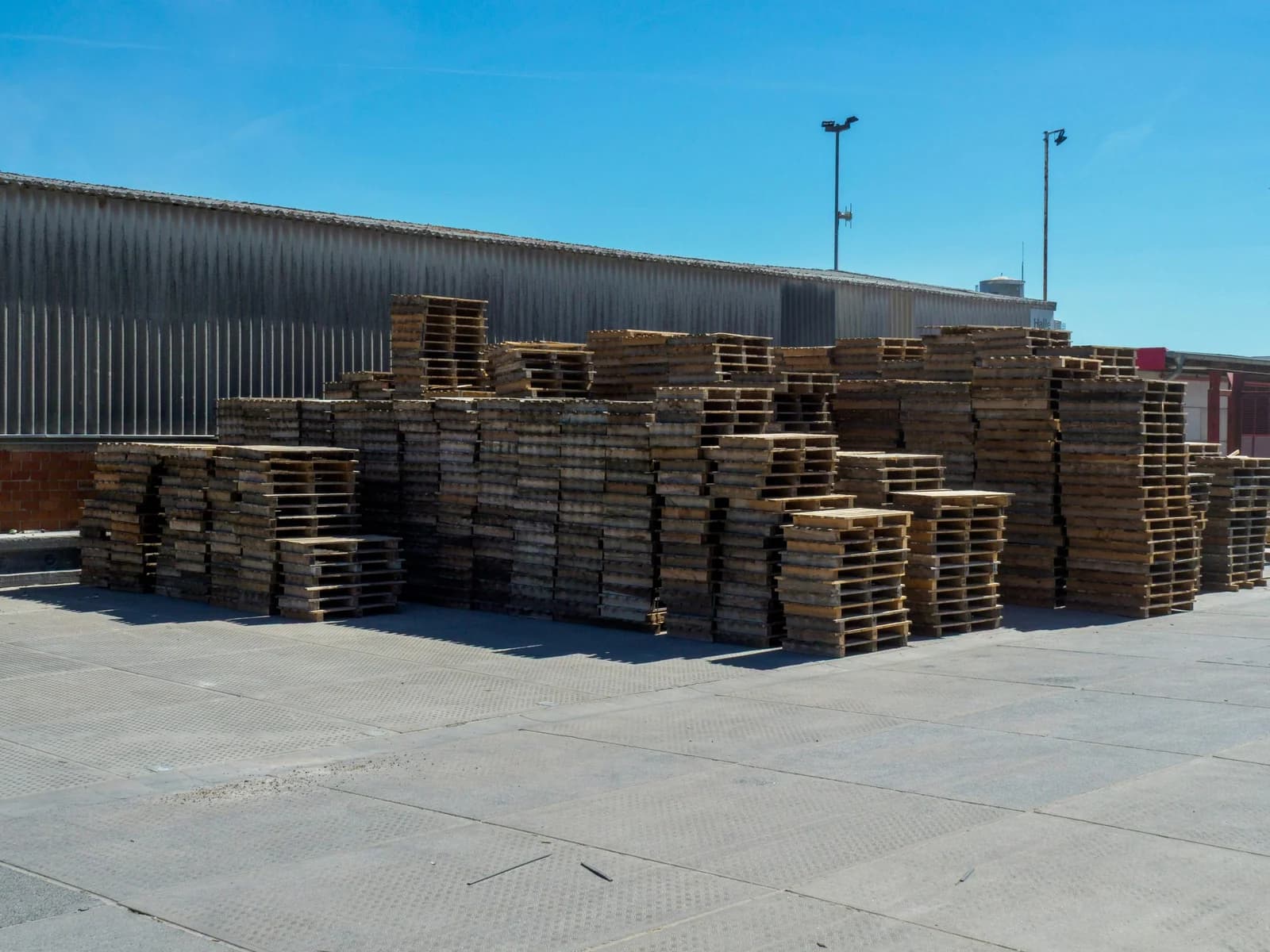
For most warehouses, pallet waste does not become a problem all at once. It builds gradually. A few broken pallets get stacked near the dock. A load of used pallets gets pushed to the edge of the yard. Then another week goes by, and suddenly the facility is working around piles of wood instead of working efficiently. That is why pallet recycling pickup is more than a cleanup service. It is an operational support system.
When used pallets are removed on a regular schedule, warehouses stay cleaner, scrap is easier to sort, usable inventory is easier to recover, and the entire operation becomes more organized. Instead of reacting to overflow, teams can manage pallet flow the same way they manage freight flow with consistency and control.
This guide explains how regular pallet recycling pickup helps busy operations reduce waste, improve yard conditions, and increase recovery rates.
Why Pallet Waste Builds Up So Fast
Pallet accumulation is a normal byproduct of warehouse activity. Inbound shipments arrive on pallets, outbound loads generate broken units, and mixed grades often get pushed into holding areas until someone has time to deal with them.
The problem is that “later” usually comes too late.
Without a removal plan, pallet buildup creates a predictable cycle:
- usable pallets get mixed with scrap
- yard space becomes harder to manage
- forklift movement gets tighter and less efficient
- teams spend more time moving pallet stacks out of the way
- cleanup becomes more expensive because the problem is larger
For high-volume operations, that cycle can repeat every few weeks unless pickup is built into the routine.
What Pallet Recycling Pickup Actually Includes
A structured pallet recycling pickup program usually involves more than hauling away broken wood.
A strong program typically includes:
- pickup of used or damaged pallets
- separation of reusable, repairable, and scrap units
- removal of wood waste from the yard
- recycling of non-repairable material
- support for regular warehouse cleanup and pallet flow
That means pickup is not just disposal. It is also a recovery process that helps protect the remaining value in your pallet inventory.
Why Regular Removal Works Better Than Occasional Cleanup
One-time cleanups can help when a yard is already overloaded, but they do not fix the pattern that caused the buildup.
Regular removal is more effective because it prevents the backlog from forming in the first place.
Cleaner yards
When pickups occur weekly, biweekly, or on another planned cadence, used pallets do not have time to spread out into staging areas, dock lanes, or trailer zones.
Fewer emergency cleanups
Facilities do not need to stop and schedule urgent removal every time space runs low.
More consistent sorting
It is easier to separate reusable pallets from scrap when volumes are manageable.
Lower operating disruption
Instead of reacting to clutter, the warehouse works with a predictable removal process that supports normal operations.
In other words, scheduled pallet recycling pickup keeps the yard under control before it becomes a problem.
How Regular Pickup Improves Recovery Rates
One of the biggest advantages of routine removal is that it helps warehouses recover more value from used pallets.
When pallets sit too long in mixed piles, several things happen:
- reusable pallets get buried in scrap
- repairable pallets deteriorate further
- teams stop sorting because the volume is too large
- pallets that could have been recovered end up treated as waste
Regular pickup solves this by moving used pallets out before they become unmanageable.
That improves recovery because:
- reusable pallets are identified sooner
- repairable pallets are separated before damage worsens
- scrap is recycled instead of sitting exposed in the yard
- operations get a clearer picture of what inventory still has value
A good recycling pickup program helps warehouses avoid throwing away pallets that could still contribute to the supply cycle.
The Link Between Yard Cleanliness and Warehouse Efficiency
Yard conditions affect more than appearance.
When pallet piles grow unchecked, they reduce usable space for:
- inbound staging
- outbound staging
- trailer positioning
- forklift movement
- emergency access and general safety
That clutter creates friction across the operation.
Regular pallet recycling pickup supports efficiency by:
- opening space back up
- reducing unnecessary forklift moves
- lowering the chance of unstable pallet stacks
- making inventory easier to count and manage
Cleaner yards almost always translate into smoother daily operations.
How Pickup Helps Reduce Disposal Costs
If used pallets are handled only as waste, disposal costs tend to rise quickly. Warehouses may end up paying for:
- roll-off containers
- landfill disposal
- labor to sort piles at the last minute
- repeated “clean it up now” work orders
Routine pallet recycling pickup helps lower those costs by shifting the system away from disposal and toward recovery.
Even when some pallets are no longer usable, recycling them through a structured program is often more efficient than treating everything as trash.
That difference matters most in operations where pallet volume is steady, and waste is generated every week.
When Scheduled Pallet Recycling Pickup Makes the Most Sense
Not every facility needs the same pickup schedule, but regular removal is usually the best fit when the warehouse has:
- high outbound pallet turnover
- recurring inbound loads on mixed pallets
- limited yard or dock space
- frequent scrap generation
- seasonal spikes in shipping volume
- multiple shifts and continuous dock activity
These conditions are common in:
- manufacturing plants
- distribution centers
- food and beverage warehouses
- retail replenishment hubs
- 3PL facilities
If a site regularly has to “make room” for pallets, scheduled pickup is usually the better long-term answer.
How to Build a Better Pickup Routine
A successful pallet recycling pickup program usually starts with a few simple controls.
Create separate holding areas
Keep reusable, repairable, and scrap pallets in clearly defined zones.
Set pickup frequency based on volume
A high-volume warehouse may need weekly removal. Others may be fine with bi-weekly pickup.
Avoid mixing good pallets into scrap
The more disciplined the sorting process, the better the recovery rate.
Review how quickly stacks build up
If pallet piles return immediately after removal, the schedule is probably too infrequent.
Coordinate pickup with other yard activity
Regular removal should work with dock flow, not interrupt it.
These steps help turn pickup into a repeatable part of operations instead of an occasional rescue project.
What Better Recovery Looks Like in Practice
When pallet recycling pickup is managed well, warehouses usually see improvements in several areas at once:
- fewer pallet piles in active work zones
- more usable pallets recovered from mixed loads
- lower visible scrap accumulation
- less labor spent shifting stacks around
- fewer disposal-related headaches
- more space for freight operations
The biggest improvement is often visibility. Once the yard is under control, it becomes much easier to see what is actually happening with pallet flow.
A Smarter Approach to Used Pallets
The most effective warehouses do not wait until pallet waste becomes a crisis. They build pallet recycling pickup into their operating rhythm.
That changes the role of pickup from “cleanup” to “support.”
Instead of using yard space as a holding area for unmanaged pallet waste, the warehouse uses a defined removal program to keep materials moving, preserve recovery value, and reduce avoidable clutter.
That is what makes regular pickup different from occasional haul-off. It improves the system, not just the yard’s appearance.
Keeping Recovery High and Waste Low
A warehouse does not need to eliminate every broken pallet to improve results. It needs a process that keeps used pallets moving out before they create operational drag.
With regular pallet recycling pickup, facilities can:
- keep yards cleaner
- recover more usable pallets
- reduce disposal pressure
- support safer forklift movement
- maintain better control over pallet inventory
For busy operations, that is not a small improvement. It is a measurable upgrade in how the warehouse functions.
Contact The Pallet Squad
If your operation needs dependable pallet recycling pickup to keep yards cleaner and improve recovery rates, contact The Pallet Squad to build a removal and recycling program that fits your volume and schedule.