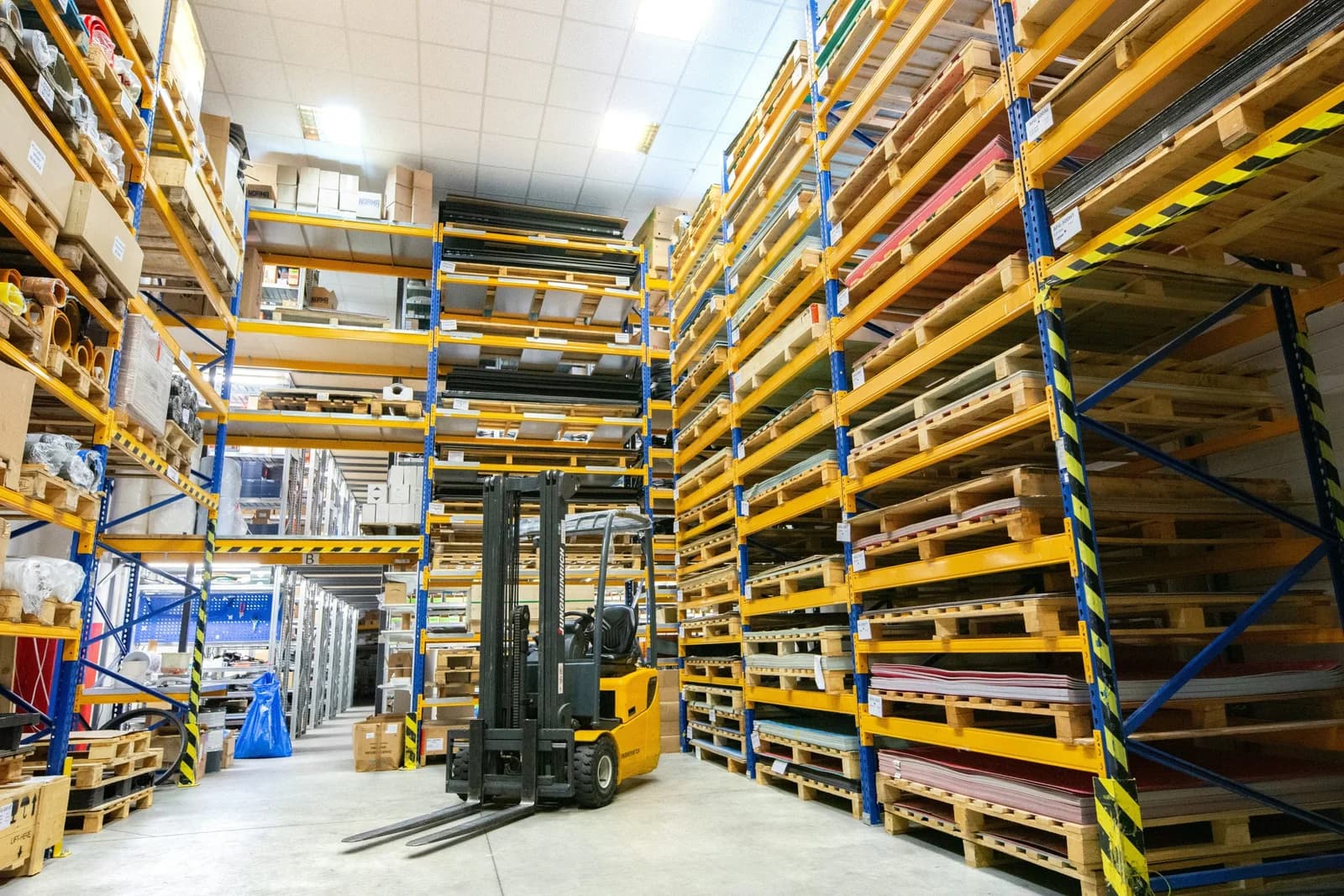
Buying pallets sounds simple until the wrong order shows up. The size is off, the grade is inconsistent, the delivery arrives late, or the pallets do not withstand normal warehouse handling. Suddenly, what should have been a routine purchase turns into dock delays, extra labor, product damage, and another urgent call to a supplier.
That is why a pallet purchasing checklist matters.
The best warehouse teams do not buy pallets based only on price or availability. They ask a defined set of questions before ordering, so they know exactly what they need, what they are getting, and how that purchase will affect warehouse flow, freight performance, and total operating cost.
This guide breaks down the key questions every warehouse should answer before placing a pallet order.
Why a Checklist Matters in the First Place
Pallet problems are often created before the order is even placed.
Common purchasing mistakes include:
- ordering the wrong size
- choosing the wrong grade
- underestimating weekly demand
- failing to confirm delivery timing
- ignoring pickup or recycling needs
- comparing quotes that are not actually equivalent
A purchasing checklist helps warehouses avoid these issues by making pallet buying more consistent, repeatable, and accurate.
Instead of reacting to shortages or supplier surprises, the warehouse builds a system that supports stable inventory and better decision-making.
Question 1: What Will These Pallets Be Used For?
Before looking at price, start with purpose.
Ask:
- Are these pallets for outbound customer shipments?
- Internal warehouse movements?
- Long-haul freight?
- Export use?
- Heavy industrial loads?
- Retail or food distribution?
Different uses require different pallet performance.
For example:
- Internal transfers may allow a lower-cost option.
- High-value or fragile freight may need stronger, more consistent pallets.
- Export shipments may require heat-treated pallets.
If the use case is unclear, the order will likely be overspecified, underspecified, or inconsistent.
Question 2: What Size Pallet Does the Load Actually Require?
Many warehouses default to 48×40 because it is the most common footprint. In many cases, that is the right choice. But not every product fits a standard pallet well.
Ask:
- Does the product fully fit the pallet footprint?
- Is there an overhang that could increase the risk of damage?
- Does the pallet work with forklifts, pallet jacks, and racking systems?
- Would a custom size reduce wasted space or improve stability?
If the load is too large, too narrow, too heavy, or awkwardly shaped, the wrong-size pallet can cause preventable problems with handling and freight.
Question 3: What Grade Is Appropriate for the Job?
Not every shipment needs the same pallet condition or performance level.
A warehouse should decide upfront whether the load calls for:
- new pallets
- Grade A recycled pallets
- Grade B recycled pallets for
- specialty or heavy-duty builds
Ask:
- Is appearance important?
- Is load consistency critical?
- Is this cost-sensitive domestic freight?
- How much variation can the operation tolerate?
Choosing the correct grade is one of the biggest factors in balancing cost, strength, and supply consistency.
Question 4: How Heavy Is the Load, and How Is the Weight Distributed?
Pallet buying should always account for actual load conditions, not just pallet availability.
Ask:
- What is the total weight of the load?
- Is the weight evenly distributed or concentrated in a few points?
- Will the pallet be floor-stacked, racked, or moved repeatedly?
- Does the product create point-load pressure that requires stronger boards or reinforcement?
Heavy machinery, chemicals, beverages, dense building materials, and other high-weight products often need stronger pallet designs than standard warehouse freight.
If the load profile is ignored, the risk of breakage rises quickly.
Question 5: How Many Pallets Are Really Needed Each Week?
This is one of the most practical and most overlooked parts of pallet purchasing.
Ask:
- What is the current weekly pallet usage?
- What does demand look like during peak periods?
- Is usage stable or highly seasonal?
- Are current shortages caused by under-ordering, poor timing, or actual volume increases?
A warehouse that does not understand its own pallet usage usually ends up in one of two bad positions:
- overordering and crowding the yard
- underordering and paying for emergency replenishment
A purchasing checklist should always connect pallet ordering to real usage patterns.
Question 6: What Is the Reorder Point?
Knowing usage is only part of the answer. Warehouses also need to know when to buy.
Ask:
- At what pallet level should replenishment begin?
- How long does delivery normally take?
- How much safety stock is needed to avoid stockouts?
This helps set a clear reorder point based on:
- average weekly consumption
- supplier lead time
- seasonal demand
- risk tolerance
Without this, pallet orders are often placed too late.
Question 7: What Delivery Timing Does the Warehouse Actually Need?
Not all pallet orders are urgent, but many become urgent because delivery timing was never clarified.
Ask:
- What is the normal lead time?
- Does the supplier offer scheduled replenishment?
- Can they support rush orders if needed?
- Are deliveries consistent during seasonal peaks?
A warehouse should know whether it needs:
- one-time delivery
- weekly delivery
- bi-weekly delivery
- emergency backup support
The best purchasing decisions account for service reliability, not just pallet price.
Question 8: What Is the Total Delivered Cost?
A pallet quote is only useful when it includes the real cost of getting pallets into the operation.
Ask:
- Is freight included?
- Are there fuel surcharges?
- Are there minimum order charges?
- Does small-volume ordering increase per-pallet cost?
- Are rush deliveries billed differently?
Many warehouses compare suppliers on unit price alone and miss the bigger picture of costs.
The better comparison is:
pallet cost + delivery cost + service reliability + replacement risk
That is what determines true purchasing value.
Question 9: What Quality Standards Need to Be Confirmed Before Ordering?
A pallet order should not rely on vague expectations like “good quality” or “standard recycled.”
Ask:
- How does the supplier define each grade?
- Are repairs acceptable? If so, what kind?
- Will loads be consistent from shipment to shipment?
- Can samples or photos be reviewed before buying in bulk?
Clear quality expectations reduce the chance of receiving mixed loads that create instability, rework, or freight damage.
Question 10: What Happens to Used or Scrap Pallets After Delivery?
A purchasing checklist should always include the backside of the pallet lifecycle.
Ask:
- Will used pallets be picked up?
- Is there a recycling or haul-off option?
- Can reusable pallets be recovered or credited back?
- How often will scrap need to be removed?
If the warehouse only plans inbound purchases and not outbound waste flow, pallet clutter and disposal costs usually grow over time.
Question 11: Are There Multi-Location Requirements?
For companies with multiple facilities, pallet purchasing needs to be consistent across locations.
Ask:
- Should all sites use the same pallet size and grade?
- Is supplier pricing standardized?
- Can inventory be coordinated regionally?
- Are different warehouses ordering the same item under different assumptions?
A checklist becomes even more important when multiple sites are involved, because inconsistency usually leads to higher costs and lower visibility.
Question 12: Who Owns the Decision Internally?
One reason pallet programs drift is that purchasing decisions are split across departments.
Before ordering, clarify:
- Who approves specs?
- Who tracks usage?
- Who manages delivery scheduling?
- Who handles scrap or recovery?
The strongest pallet programs work because responsibility is clear, not assumed.
What a Strong Pallet Purchasing Checklist Should Deliver
If used correctly, a checklist should help the warehouse achieve four outcomes:
- Correct pallet selection
- More accurate ordering volume
- Lower total delivered cost
- Better operational reliability
That turns pallet purchasing into a controlled process instead of a reactive task.
A Better Way to Order Pallets
Warehouses that buy pallets well are not necessarily buying the cheapest pallets. They are buying with clarity.
They know:
- what the pallet is for
- what grade is appropriate
- how many are needed
- when to reorder
- what quality to expect
- how delivery and removal will be handled
That level of preparation reduces surprises and improves performance across the warehouse.
Closing the Gaps Before They Turn Into Problems
A pallet purchasing checklist is simple, but it solves a real problem: too many pallet orders are placed without enough information.
By answering the right questions before ordering, warehouses can reduce:
- shortages
- delivery issues
- mixed-quality loads
- overbuying
- disposal headaches
And in a high-volume environment, that kind of consistency makes a meaningful difference.
Contact The Pallet Squad
If you want help turning pallet buying into a more reliable, repeatable process, contact The Pallet Squad to build a pallet program around your real warehouse needs.