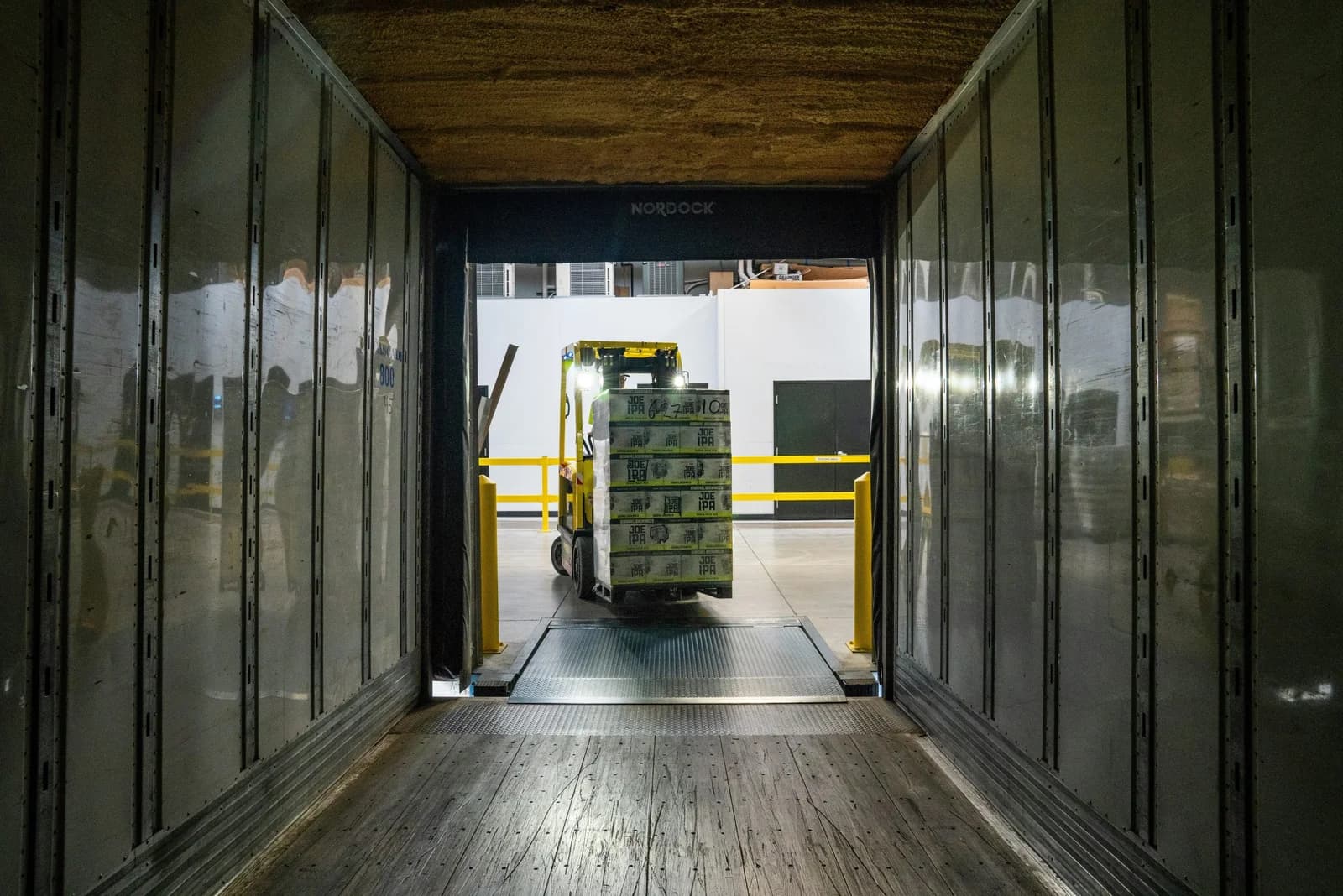
In the ever-expanding world of global trade, where goods journey across continents and oceans, pallets form the foundation of logistical efficiency. Pallets are far more than platforms for goods; they are integral to supply chain processes, impacting costs, efficiency, and sustainability. Among the many factors influencing pallet utility, standardization has emerged as a vital component.
This blog explores the dual impact of pallet standardization on global trade: its undeniable advantages in fostering efficiency and its challenges that demand strategic navigation.
The Need for Pallet Standardization in Global Trade
Pallets underpin modern logistics, enabling the efficient transport, storage, and handling of goods. Yet, as global trade networks grow increasingly interconnected, the lack of standardization in pallet dimensions and specifications creates inefficiencies.
Consider the sheer diversity of pallets used globally: the North American pallet measures 48×40 inches, while the European pallet (commonly referred to as the Euro pallet) measures 1200×800 mm. These variations often necessitate re-palletizing goods during international shipping, leading to delays, increased costs, and heightened risks of product damage.
The Role of Standards
Efforts like ISO 6780, the International Standard for Flat Pallets, aim to unify specifications globally. However, implementation remains inconsistent across regions, creating an ongoing challenge for supply chain professionals.
Benefits of Pallet Standardization
Despite the challenges, pallet standardization offers numerous benefits that can revolutionize global trade.
1. Improved Efficiency
Standardized pallets simplify logistics by ensuring compatibility across industries and geographies.
- Streamlined Loading and Unloading: Uniform pallet dimensions allow seamless operations at ports, warehouses, and distribution centers.
- Enhanced Inventory Management: Standardized sizes improve warehouse stacking efficiency and make storage systems more predictable.
2. Cost Savings
Pallet standardization reduces operational costs in several ways:
- Optimized Space Utilization: Standardized pallets maximize container capacity, cutting transportation costs.
- Minimized Damage: Consistency reduces mishandling, leading to fewer product losses and returns.
3. Sustainability
Standardization promotes environmental benefits:
- Reusable Pallets: Standardized pallets are easier to recycle and repair.
- Carbon Footprint Reduction: Fewer damaged goods and more efficient shipping result in lower emissions.
The Challenges of Pallet Standardization
While the benefits are clear, achieving global pallet standardization is no small feat.
1. Regional Disparities
Different regions favor different pallet standards based on historical practices and industry preferences.
- Europe: Dominated by the Euro pallet, which is preferred for its durability and reusability.
- North America: Relies on the GMA pallet, favored for its cost-effectiveness.
- Asia: A mix of standards creates inconsistencies in regional trade.
2. Implementation Costs
Transitioning to standardized pallets requires significant investment in:
- Infrastructure Upgrades: Warehouses and transport systems must adapt to accommodate new standards.
- Training: Staff need to learn new handling techniques.
3. Supply Chain Disruptions
Pallet shortages or delays in procuring standardized pallets can disrupt entire supply chains, especially during peak shipping seasons.
Case Studies of Successful Standardization
Automotive Industry
The automotive sector’s reliance on just-in-time (JIT) manufacturing has driven widespread adoption of pallet standardization. This ensures efficient delivery of parts across global supply chains, minimizing downtime and costs.
Retail Sector
Retail giants like Walmart mandate the use of standardized pallets, reducing inefficiencies in loading docks and improving supplier compliance.
The Future of Pallet Standardization
As the logistics industry evolves, pallet standardization is expected to become even more critical.
Emerging Technologies
Technologies such as RFID (Radio Frequency Identification) and IoT (Internet of Things) are being integrated into standardized pallets to track goods in real time, enhancing supply chain visibility.
Global Collaboration
Organizations like the International Maritime Organization (IMO) and the World Trade Organization (WTO) are promoting initiatives to unify pallet standards, recognizing the need for consistency in global trade.
Pallet standardization is a cornerstone of modern logistics, offering streamlined processes, cost efficiencies, and sustainability benefits. However, the road to universal adoption is fraught with regional disparities and implementation challenges. For logistics managers and supply chain professionals, understanding and leveraging pallet standardization is essential to staying competitive in an increasingly interconnected world.
As global trade continues to grow, the role of standardized pallets will only expand, paving the way for a more efficient and sustainable future.