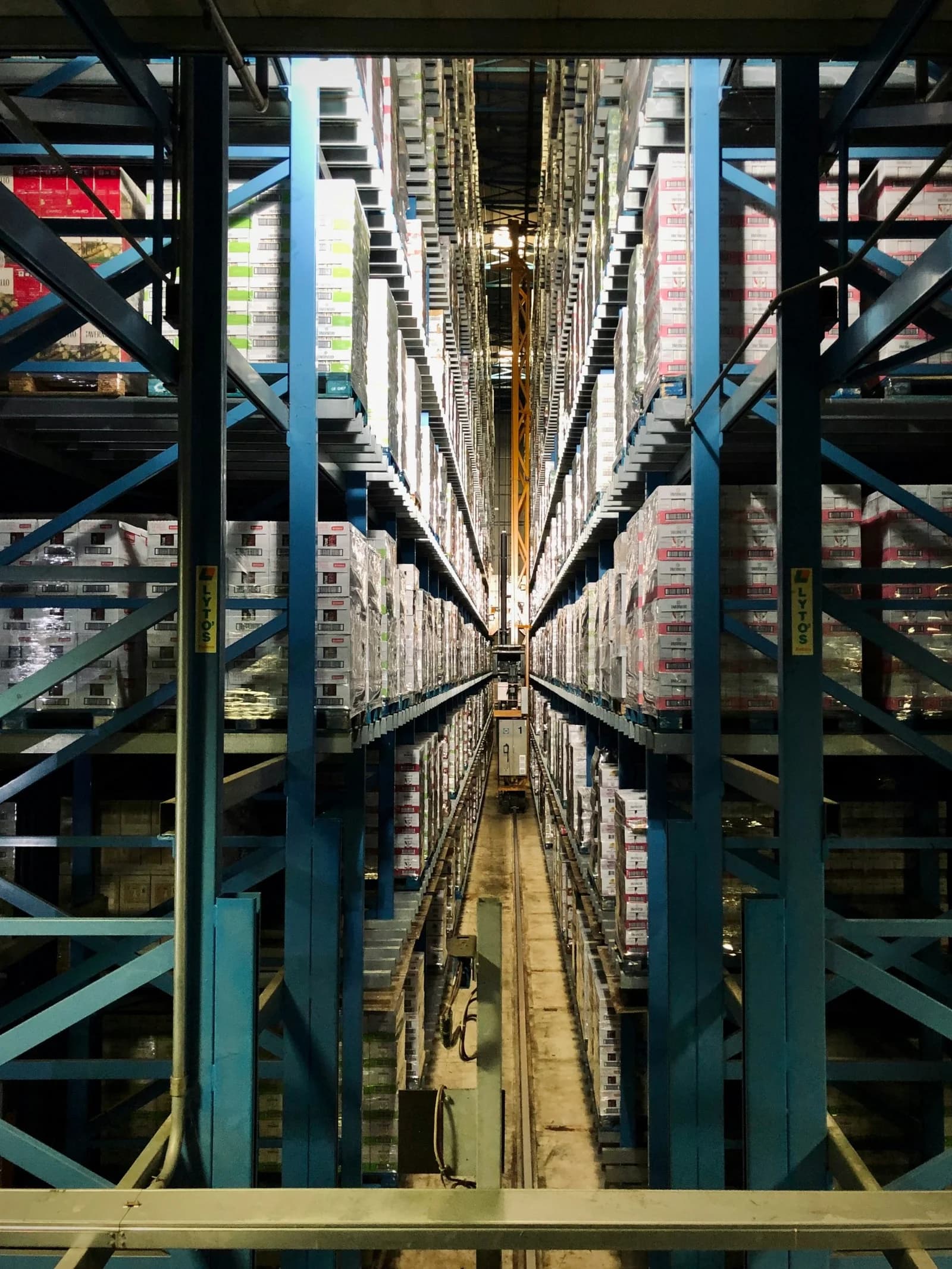
In the food and beverage industry, delivering products fresh and safe to consumers is a non-negotiable priority. From fresh produce to packaged snacks and beverages, maintaining quality and safety throughout the supply chain is essential. Pallet usage play a critical role in achieving these goals, serving as the foundation for transportation, storage, and handling.
This blog explores the importance of pallet usage in the food and beverage sector, detailing their impact on freshness, safety, regulatory compliance, and sustainability.
The Role of Pallets in Food and Beverage Supply Chains
Pallets are more than tools for stacking products—they’re the backbone of efficient logistics in the food and beverage industry. They provide:
- Support for Heavy Loads: Preventing damage during storage and transit.
- Enhanced Efficiency: Reducing handling time with standardized sizes for automation systems.
- Product Integrity: Protecting products from contamination and physical damage.
However, the industry faces unique challenges, such as maintaining hygiene, ensuring temperature stability, and adhering to stringent regulations like the FDA’s Food Safety Modernization Act (FSMA).
Choosing the Right Pallets for Food Safety
Wooden Pallets: Traditional and Cost-Effective
- Advantages:
- Affordable and widely available.
- Durable for heavy loads.
- Disadvantages:
- Can absorb moisture, harbor bacteria, and splinter, making them less hygienic for food contact.
- Require ISPM-15 compliance for international shipping.
Plastic Pallets: Hygienic and Durable
- Advantages:
- Easy to clean, moisture-resistant, and non-porous.
- Compliance with HACCP standards for food safety.
- Ideal for cold chain logistics due to superior durability in freezing conditions.
- Disadvantages:
- Higher initial cost compared to wooden pallets.
- Limited repair options.
Metal Pallets: For Heavy-Duty Applications
- Advantages:
- Highly durable and resistant to extreme conditions.
- Disadvantages:
- Expensive and heavy, making them less practical for routine food logistics.
Ensuring Freshness Through Pallet Optimization
1. Cold Chain Compatibility
Temperature-sensitive items like dairy, meat, and frozen foods require pallets that support refrigeration. Plastic pallets are preferred for their resistance to moisture and their ability to maintain structural integrity in low temperatures.
2. Proper Stacking Techniques
- Avoid overloading pallets, as it can compromise airflow and damage packaging.
- Use stretch wrap or netting to stabilize loads without crushing products.
3. Pallet Hygiene Standards
- Cleaning Protocols: Regular washing and sanitization prevent cross-contamination.
- Segregation: Dedicate specific pallets for raw, processed, and allergen-containing products to minimize risk.
Regulatory Compliance and Food Safety
FDA’s Food Safety Modernization Act (FSMA)
The FSMA mandates preventive controls across the supply chain, including the hygienic handling of pallets. Companies must ensure pallets are clean, dry, and free of contamination.
HACCP Standards
Hazard Analysis and Critical Control Points (HACCP) principles require analyzing risks associated with pallets, implementing control measures like routine sanitization, and ensuring they meet specific safety benchmarks.
ISPM-15 Compliance
Wooden pallet usage in international shipping must undergo heat treatment or fumigation to eliminate pests, reducing risks of contamination and regulatory delays.
Sustainability in Pallet Usage
Environmental Impact of Pallets
- Reusable Plastic Pallets: Offer a sustainable solution, reducing single-use waste.
- Recycling Wooden Pallets: Extending their lifecycle through repair and reuse minimizes environmental impact.
Circular Economy Initiatives
Programs like pallet pooling systems allow companies to share pallets, reducing costs and waste while maintaining consistent quality.
Industry Statistics
- Pallet Market Growth: The global pallet market is projected to reach $110 billion by 2030, driven by demand in food logistics.
- Food Waste: The FAO estimates that 14% of food is lost between harvest and retail, emphasizing the need for efficient palletized logistics.
- Plastic Pallet Adoption: Expected to grow at a CAGR of 5.4% due to hygiene and durability advantages in the food sector.
Case Studies: Real-World Impact
Dairy Industry
A leading dairy producer minimized spoilage and contamination risks by switching from wooden to plastic pallets, improving hygiene standards, and extending product shelf life.
Beverage Logistics
A global beverage company implemented a pallet pooling system, achieving cost savings and reducing product damage during transport.
Partner with The Pallet Squad
Selecting the right pallets for your food and beverage operations is crucial for maintaining freshness, safety, and compliance with industry standards. Whether you need hygienic plastic pallets, cost-effective wooden options, or guidance on regulatory compliance, The Pallet Squad has you covered.
Contact The Pallet Squad today to optimize your supply chain with tailored pallet solutions that ensure product integrity from start to finish.