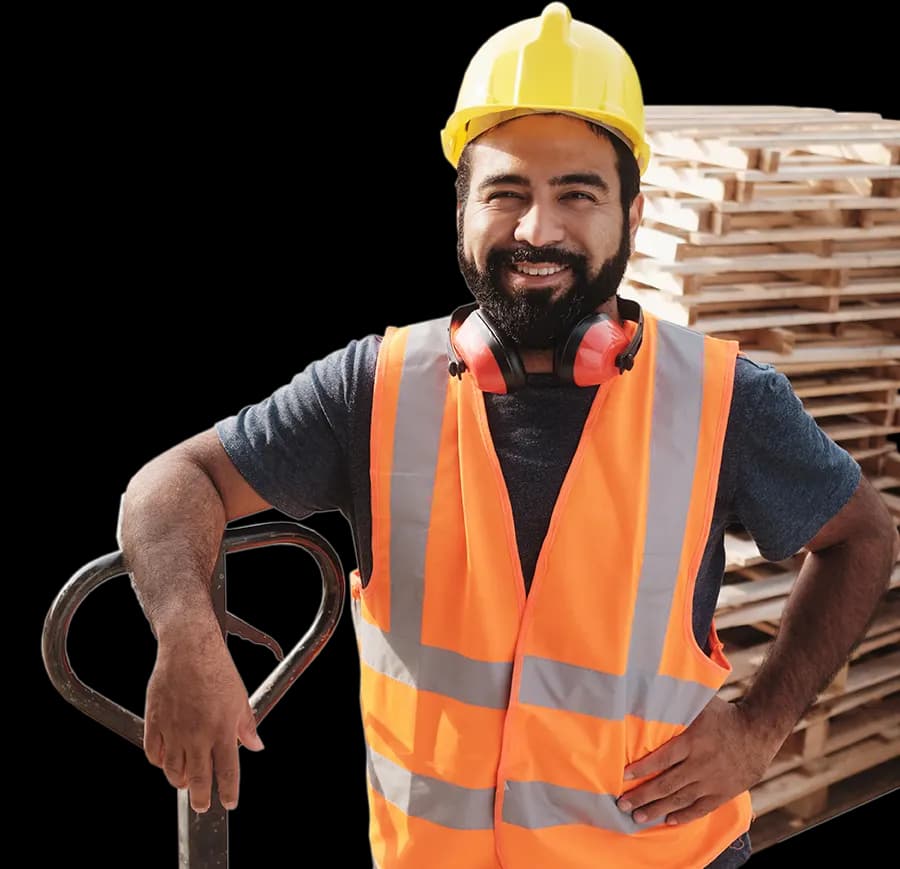
In the ever-evolving landscape of global commerce, the rise of e-commerce has been a game-changer, fundamentally altering how goods are bought, sold, and delivered. This seismic shift has profoundly impacted various facets of the supply chain, with the demand and supply of pallets being no exception. In this blog, we explore how the booming e-commerce sector is reshaping the pallet industry, creating business challenges and opportunities.
The E-Commerce Surge
The e-commerce sector has witnessed exponential growth over the past decade, with consumers increasingly favoring the convenience of online shopping. This trend has been further accelerated by the COVID-19 pandemic, which saw a massive surge in online retail as physical stores closed and social distancing measures were implemented. The sheer volume of goods shipped directly to consumers has placed unprecedented demands on supply chains, and pallets are at the heart of this logistical transformation.
Increased Pallet Demand
- Higher Volume of Shipments: E-commerce giants like Amazon, Walmart, and Alibaba are processing millions of orders daily, requiring efficient and reliable pallet solutions. This increase in volume has led to a surge in pallet demand as businesses seek to optimize their warehousing and distribution operations.
- Rapid Turnaround Times: The e-commerce model thrives on speed. Consumers expect swift delivery times, and this necessitates highly efficient logistics processes. Pallets enable quick movement of goods within warehouses and distribution centers, directly impacting order fulfillment rates.
- Diverse Range of Products: Unlike traditional retail, e-commerce involves many products, from small electronics to bulky furniture. This diversity requires various pallet types and sizes to accommodate different products, further driving demand for customizable pallet solutions.
Supply Chain Challenges
While the demand for pallets has surged, the supply side faces several challenges that must be addressed to keep pace with the burgeoning e-commerce sector.
- Material Shortages: The increased demand for pallets has strained the availability of raw materials such as wood, plastic, and metal. Supply chain disruptions caused by the pandemic have further exacerbated these shortages, leading to potential delays and increased costs.
- Sustainability Concerns: With the rise in pallet usage, there is also a growing concern about the environmental impact. To minimize their carbon footprint, businesses are pressured to adopt sustainable practices, such as using recycled materials or implementing pallet recycling programs.
- Innovative Solutions Required: The traditional pallet designs may only sometimes meet the dynamic needs of e-commerce logistics. There is a growing need for innovative pallet solutions, such as lightweight designs, collapsible pallets for easy storage, and intelligent pallets equipped with tracking technology.
Opportunities for Growth and Innovation
The challenges presented by the e-commerce boom also open up significant opportunities for innovation and growth within the pallet industry.
- Adoption of Smart Pallets: Integrating technology into pallets can revolutionize logistics. Bright pallets with RFID tags or IoT sensors enable real-time tracking, inventory management, and improved supply chain visibility, enhancing efficiency and reducing losses.
- Sustainable Pallet Solutions: Companies prioritizing sustainability will likely gain a competitive edge. Developing pallets from eco-friendly materials, offering reusable pallet options, and implementing robust recycling programs can attract environmentally conscious businesses and consumers.
- Customization and Flexibility: The ability to provide customizable pallet solutions tailored to the specific needs of e-commerce businesses can be a significant differentiator. Pallet suppliers that offer flexibility in design, size, and load capacity can better serve the diverse requirements of the e-commerce sector.
The rise of e-commerce has undeniably transformed the landscape of pallet demand and supply. While it presents several challenges, from material shortages to sustainability concerns, it also offers many opportunities for innovation and growth. For pallet suppliers, staying ahead in this dynamic environment means embracing technology, prioritizing sustainability, and offering flexible, customized solutions.
As e-commerce continues to flourish, the role of pallets in ensuring efficient and effective logistics operations will only become more critical. By understanding and adapting to the evolving demands of the e-commerce sector, pallet suppliers can meet the current needs and position themselves for long-term success in a rapidly changing marketplace.