The wood pallet reselling business is a lucrative venture for those looking to dive into the world of sustainable and profitable enterprises. Whether you’re a seasoned entrepreneur or a newcomer to the business scene, understanding the ins and outs of this industry is crucial for success. Here’s a comprehensive guide on what you need to know and do to start a wood pallet reselling business.
Understanding the Basics
1. What Are Wood Pallets?
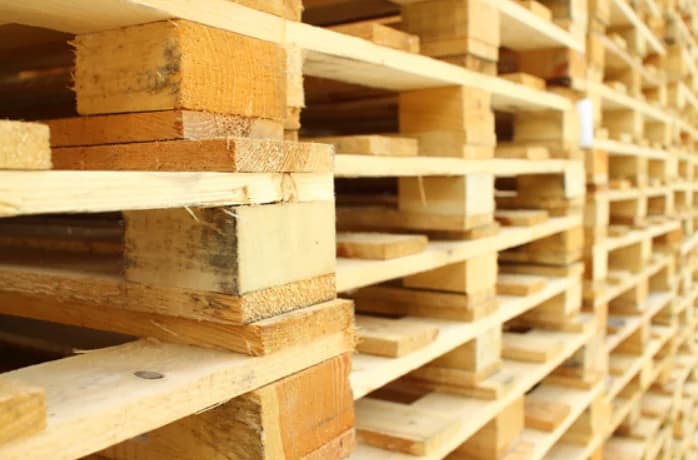
Wood pallets are flat structures that support goods during shipping, allowing for easy handling and storage. They are widely used across various industries, including manufacturing, retail, and logistics.
2. Why Resell Wood Pallets?
Reselling wood pallets can be profitable due to their constant demand in numerous industries. Additionally, it’s an eco-friendly business, as it promotes recycling and reuse of materials, which appeals to environmentally conscious consumers and businesses.
Steps to Start Your Wood Pallet Reselling Business
1. Market Research
Before diving in, conduct thorough market research to understand the demand for wood pallets in your area. Identify your potential customers, such as manufacturers, warehouses, and shipping companies. Analyze your competitors to understand their pricing, service quality, and customer base.
2. Business Plan
Create a detailed business plan outlining your goals, target market, marketing strategies, and financial projections. A solid plan will guide your business decisions and attract potential investors or lenders.
3. Legal Requirements
Register your business and obtain any necessary licenses and permits. This may include a business license, resale certificate, and any local or state permits related to environmental regulations or waste management.
4. Sourcing Pallets
Identify reliable sources for acquiring used pallets. These can include:
- Manufacturers and Distributors: Many companies dispose of pallets after a single use.
- Retailers: Large retailers often have surplus pallets they are willing to sell or give away.
- Online Marketplaces: Websites like Craigslist or Facebook Marketplace can be significant for finding bulk pallet deals.
- Local Pallet Suppliers: Establish relationships with local suppliers who may offer discounted rates for bulk purchases.
5. Repair and Refurbishment
Not all pallets you acquire will be in perfect condition. Set up a space for repairing and refurbishing damaged pallets. This process can include replacing broken boards, reinforcing weak points, and cleaning the pallets.
6. Pricing Strategy
Determine a competitive pricing strategy. Your prices should cover acquiring, repairing, and delivering the pallets while ensuring a reasonable profit margin. Monitor your competitors’ pricing to remain competitive.
7. Marketing and Sales
Develop a marketing strategy to reach your target customers. This can include:
- Online Presence: Create a website showcasing your services and inventory. Utilize SEO strategies to attract organic traffic.
- Social Media: Use platforms like Facebook, Instagram, and LinkedIn to promote your business and engage with potential customers.
- Networking: Attend industry events, trade shows, and local business meetups to build connections and find potential clients.
- Direct Sales: Contact businesses that might need pallets. Offer samples or demonstrations to showcase the quality of your refurbished pallets.
8. Logistics and Delivery
Plan your logistics and delivery process. Ensure you have the necessary transportation to deliver pallets to your customers efficiently. Consider the costs of fuel, maintenance, and any delivery personnel you need.
9. Customer Service
Provide excellent customer service to build long-term relationships with your clients. Respond promptly to inquiries, be transparent about your pricing and services, and ensure timely delivery of orders. Happy customers are more likely to refer your business to others.
Tips for Success
- Quality Control: Maintain high standards for the quality of pallets you sell. Consistently delivering durable and reliable pallets will earn you a good reputation.
- Sustainability: Emphasize the eco-friendly aspect of your business. Many companies want to improve their environmental impact and will appreciate your efforts to recycle and reuse materials.
- Adaptability: Stay informed about industry trends and be ready to adapt your business model as needed. Whether it’s changes in demand, new regulations, or innovative pallet designs, staying flexible will keep your business resilient.
Starting a wood pallet reselling business requires careful planning, dedication, and a keen understanding of your market. By following these steps and focusing on quality and customer satisfaction, you can build a successful and sustainable business in this growing industry.