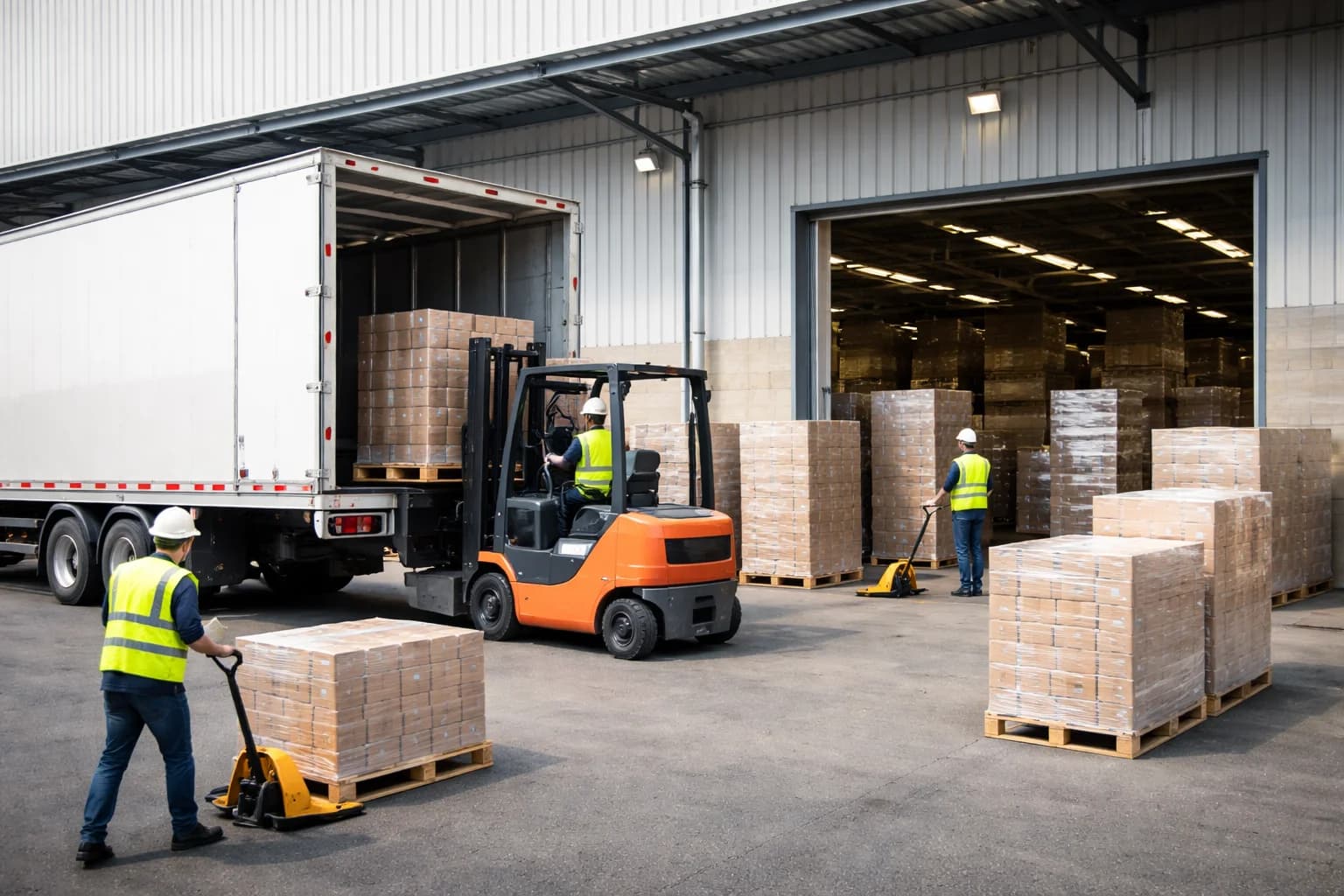
In warehouse operations, pallets aren’t just a shipping supply, they’re a daily requirement for throughput. When pallet inventory runs low, everything slows down: picking, staging, loading, and outbound schedules. Even the best-run facility can end up scrambling if pallets don’t arrive when they’re needed.
That’s why wood pallet delivery matters as much as the pallets themselves.
Fast, reliable pallet replenishment keeps docks moving, labor productive, and shipments on time. Whether you manage a manufacturing facility, retail distribution center, or multi-site logistics network, the right delivery program reduces disruption and protects your schedule, especially during peak demand.
This guide explains how wood pallet delivery works, why speed and consistency matter, and what to look for in a supplier who can keep your operation running smoothly.
1. Why Wood Pallet Delivery Is a Schedule Protecting Service
Many operations teams focus on per-pallet pricing, but pallet supply issues almost always show up as schedule failures, not as line-item spend.
When wood pallet deliveries slip or become inconsistent, you may face:
- Idle dock teams waiting for pallets to stage outbound loads
- Missed carrier pick up windows
- Trailer rework or partial shipping
- Overtime costs to catch up
- Emergency purchases at higher prices
- Increased damage risk from using compromised pallets “just to get by”
Reliable wood pallet delivery prevents these problems by maintaining consistent replenishment before shortages appear.
2. The True Cost of Slow Pallet Replenishment
Pallet downtime is operational downtime. Even a short disruption can snowball into larger costs.
Common hidden costs include:
- Labor inefficiency: staff waiting for pallets or rebuilding loads
- Missed SLAs: late shipments and reduced customer performance scores
- Carrier disruptions: detention, rescheduling fees, or missed appointments
- Higher procurement cost: last-minute buying reduces negotiation power
- Safety issues: hurried loading on damaged pallets increases risk
That’s why the best supply chains treat wood pallet delivery like a service-level function rather than a basic purchase order.
3. How Fast Wood Pallet Delivery Works in High-Volume Warehouses
Professional wood pallet delivery programs generally fall into three models:
On-demand delivery
Best for:
- unpredictable shipping spikes
- seasonal surges
- emergency replenishment
This model provides flexibility but may come with premium pricing depending on timing and distance.
Scheduled replenishment
Best for:
- consistent outbound flow
- predictable weekly volume
- multi-shift operations
Scheduled deliveries stabilize pallet supply and reduce emergency orders. This is often the most cost-efficient model long term.
Hybrid (scheduled + emergency coverage)
Best for:
- facilities with consistent baseline volume plus occasional surges
- retail and e-commerce warehouses with promotion spikes
- manufacturing plants dealing with schedule shifts
Hybrid models combine predictable delivery with fast backup support.
4. What “Fast” Really Means for Pallet Delivery
Fast wood pallet delivery isn’t just speed, it’s reliability.
A strong supplier should deliver:
- Accurate quantities (no short counts)
- Consistent quality (no mixed-grade surprises)
- Predictable delivery windows
- Quick response when demand changes
A supplier can deliver “fast” once.
A supplier that delivers fast every time is what protects your schedule.
5. How to Prevent Pallet Stockouts With Better Replenishment Planning
Operations teams that rarely experience pallet shortages usually do one thing well: they plan replenishment like any other critical inventory item.
Strong warehouse pallet replenishment includes:
- Minimum/maximum inventory targets
Know the minimum pallet level that triggers replenishment before a crisis. - Weekly volume forecasting
Even a basic forecast helps a supplier stage inventory and schedule routes. - Buffer inventory for peak weeks
Retail peaks, seasonal demand, and production surges require pallet buffers. - Standardizing pallet types
Too many pallet SKUs increase the chance of shortages or incorrect deliveries.
With the right plan, wood pallet delivery becomes smooth and automatic instead of reactive.
6. Delivery Programs That Improve Dock and Yard Efficiency
The best wood pallet delivery isn’t just a drop-off. It improves how pallets flow in and out of your facility.
Look for value-added delivery options such as:
Drop-trailer programs
A trailer stays on-site so your warehouse can load and unload pallets on its own schedule. This reduces:
- dock congestion
- live unload delays
- driver wait time
- rushed stacking and handling mistakes
Pallet pick up and removal
A strong supplier removes used or scrap pallets on a regular schedule, preventing yard overflow and reducing disposal costs.
Bulk delivery for high-volume operations
Shipping large quantities in fewer trips lowers freight cost per pallet and improves reliability during high-demand cycles.
These programs increase speed and reduce stress across the dock.
7. Why Wood Pallet Quality Still Matters in Fast Delivery
Fast delivery doesn’t help if the pallets fail under load.
Reliable suppliers maintain consistent quality through:
- defined grading systems (Grade A, Grade B recycled, etc.)
- repair and sorting standards
- load building practices that prevent “mixed quality” shipments
- removal of unsafe or unstable pallets from circulation
For warehouses with high throughput, consistent pallet quality reduces:
- load collapses
- product damage
- forklift handling incidents
- rework and load rebuilding
It also improves racking performance and overall warehouse safety.
8. Multi-Location Warehouses Need Regional Coordination
If your company operates multiple facilities, pallet replenishment becomes more complex and more important.
Without coordination, sites often face:
- inconsistent pricing
- inconsistent pallet grades
- uneven inventory levels
- more emergency ordering
- fragmented reporting
Multi-location operations benefit from wood pallet delivery programs that support:
- consistent pallet standards across sites
- centralized scheduling and planning
- regional supply coverage
- coordinated pick up and recycling programs
This eliminates the chaos of managing separate suppliers in every city.
Wood pallets are the foundation of warehouse movement. But the pallets themselves are only half the equation, wood pallet delivery is what keeps the system running.
Fast replenishment protects warehouse schedules by preventing:
- pallet stockouts
- dock slowdowns
- missed shipments
- labor inefficiencies
- expensive emergency orders
The best delivery programs combine speed, reliability, consistent quality, and flexible support services like scheduled replenishment, bulk delivery, and pick up programs.
If pallets are essential to your daily outbound flow, then fast wood pallet delivery isn’t a luxury, it’s a requirement.