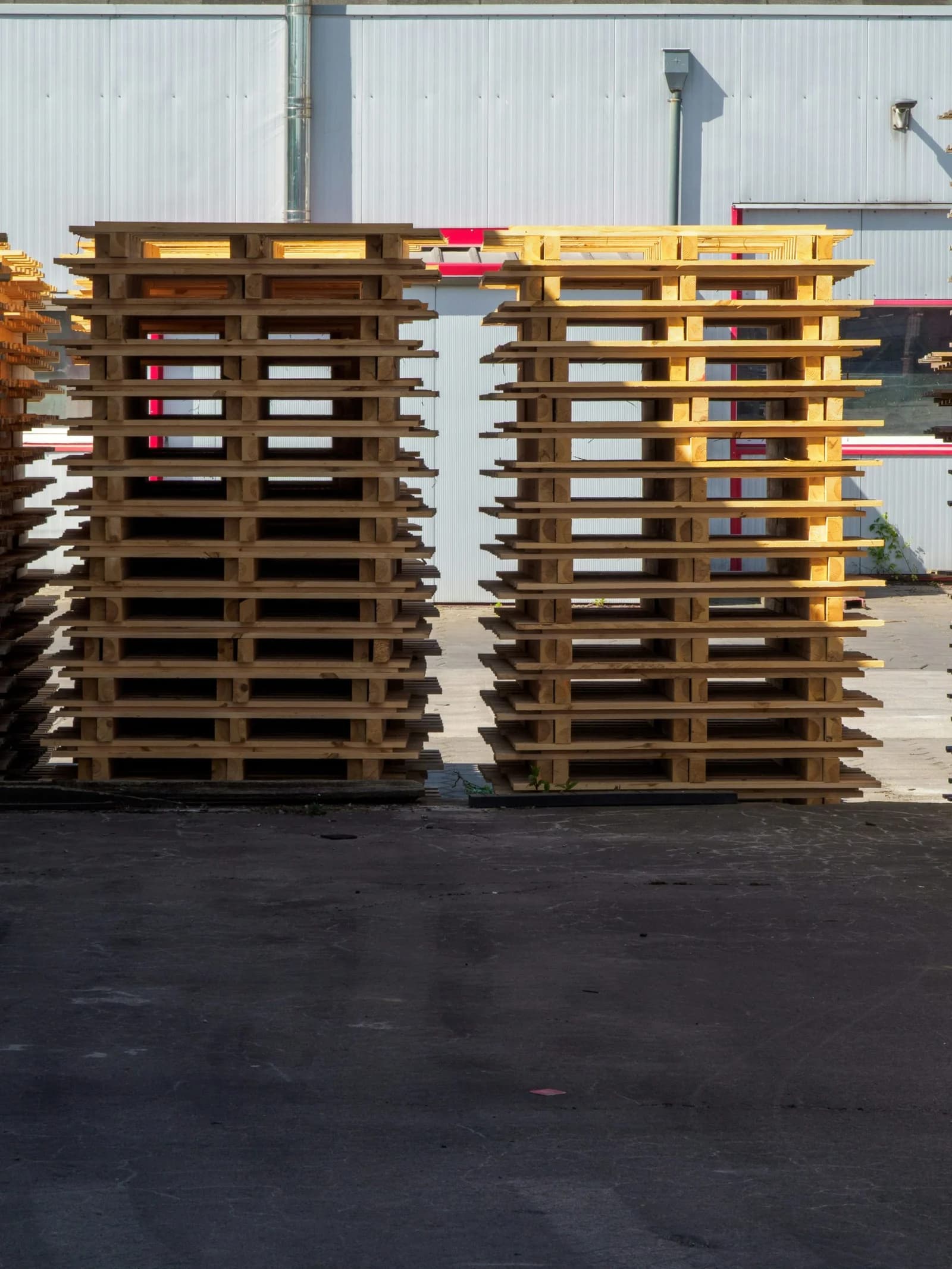
For busy warehouses, pallet buildup usually starts as a small inconvenience. A few stacks of used pallets sit behind the dock. Broken pallets get pushed to the side for later. Before long, the yard is crowded, forklift paths get tighter, and teams spend time moving scrap instead of product.
That is when many facilities call for a one-time cleanup.
But for high-volume operations, one-time cleanup is usually a temporary fix. The same pallet buildup recurs because the underlying flow problem hasn’t changed. That is why more warehouses are turning to a structured pallet haul-off service, especially one built around scheduled removal instead of emergency pickups.
When pallet removal is planned, yards stay cleaner, docks stay safer, and disposal costs become easier to manage. This guide explains when scheduled haul-offs make more sense than one-time cleanups and how to build a program that supports warehouse flow rather than interrupting it.
Why Pallet Buildup Happens So Quickly
Most warehouses do not create pallet clutter because they are disorganized. They create it because pallets move in and out faster than anyone can manage manually.
Common causes include:
- frequent inbound shipments on mixed pallet types
- damaged pallets are being set aside without clear sorting
- no consistent pickup schedule
- seasonal surges in outbound freight
- scrap pallets occupying space meant for staging or trailers
The bigger the operation, the faster those issues compound.
In high-turn environments, pallet piles create more than visual clutter. They reduce working space, slow equipment movement, and make it harder to tell what inventory is still usable.
The Real Cost of “We’ll Clean It Up Later”
A lot of pallet waste gets ignored because it looks like a minor housekeeping problem. In reality, it affects several cost categories at once.
Yard space gets consumed
Used pallets take up room that could be used for:
- trailer positioning
- inbound staging
- outbound load prep
- forklift travel lanes
Labor gets wasted
When haul-off is not scheduled, employees end up:
- moving stacks around to make space
- separating scrap from usable pallets under pressure
- handling one-off cleanup tasks that interrupt normal work
Safety risk increases
Overflowing pallet stacks create:
- unstable piles
- blocked access points
- tighter forklift turns
- more chances for accidental impact or collapse
Disposal becomes more expensive
Without a structured removal plan, operations often pay more through:
- emergency haul-off fees
- landfill or dumpster costs
- repeated cleanup labor
- unnecessary disposal of pallets that still had value
That is why a pallet haul-off strategy should be viewed as part of warehouse operations, not just waste removal.
What a Pallet Haul-Off Service Actually Does
A professional pallet haul-off service does more than show up and remove wood from the yard.
A strong program typically includes:
- scheduled pickup of used pallets
- removal of broken or scrap pallets
- sorting for reuse, repair, or recycling
- support for recurring warehouse volume
- better control of pallet flow across the site
In other words, it turns pallet removal into a repeatable process rather than an occasional emergency.
Why One-Time Cleanups Usually Fall Short
One-time cleanups absolutely have a place. If a facility has been ignoring pallet accumulation for months, a large cleanup may be the fastest way to reset the site.
But one-time cleanups have limitations.
They are reactive
These cleanups solve the problem only after congestion, safety issues, or wasted labor have already been created.
They do not prevent repeat buildup
If pallets continue to arrive and break at the same pace, the yard will return to the same condition.
They usually cost more per event
Urgent or oversized cleanup projects often involve more labor, more transport, and more disruption than a scheduled haul-off system.
They can hide recovery opportunities
When everything gets cleaned up in one sweep, reusable or repairable pallets are more likely to be treated as waste rather than as a source of recovered value.
For very busy warehouses, one-time cleanups are often a sign that pallet flow is being managed too late.
Why Scheduled Removal Works Better for High-Volume Warehouses
Scheduled haul-off changes the pattern entirely. Instead of waiting for pallet clutter to become a problem, it prevents the buildup in the first place.
1. It stabilizes yard conditions
When pickups happen weekly, bi-weekly, or on another set cadence, warehouses stay operationally cleaner. Teams do not have to guess when space will open up again.
2. It improves visibility
When used pallets are removed regularly, it becomes much easier to separate:
- reusable pallets
- repairable pallets
- true scrap
That improves both inventory control and recovery rates.
3. It protects dock flow
Pallet stacks near dock doors tend to create bottlenecks. Scheduled removal keeps those areas clear, allowing outbound loads to be staged efficiently.
4. It reduces labor waste
Instead of assigning warehouse teams to “deal with the pallet pile” whenever it becomes urgent, removal becomes part of a predictable operating rhythm.
5. It lowers the chance of disposal waste
More frequent pickups make it easier to identify which pallets can be reused or repaired before they deteriorate further.
For busy warehouses, scheduled haul-off is less about cleanup and more about preserving throughput.
When Scheduled Pallet Haul-Off Makes the Most Sense
Not every warehouse needs the same pickup model, but scheduled service is usually the better fit when a facility has:
- recurring high inbound or outbound pallet volume
- limited yard space
- multiple daily dock turns
- frequent scrap generation from broken pallets
- a need to keep reusable pallets separated from waste
- seasonal spikes that repeatedly create overflow
These conditions are common in:
- distribution centers
- manufacturing facilities
- food and beverage warehouses
- retail replenishment hubs
- 3PL operations
If pallet clutter keeps returning, the issue is not the cleanup size. It is the lack of a repeatable removal program.
How to Decide on Pickup Frequency
The right haul-off schedule depends on how quickly pallets accumulate.
A few questions help determine the right cadence:
- How many used or broken pallets are generated each week?
- How quickly do pallet stacks begin to interfere with operations?
- How much yard space can be safely dedicated to pallet storage?
- Are there recurring peak periods that increase turnover?
- How often does the team currently have to move pallet piles just to keep space open?
For some operations, weekly service is best. For others, bi-weekly or even multiple pickups per week may make more sense during peak periods.
The goal is to schedule removal before clutter starts affecting the operation.
How Scheduled Haul-Off Supports Recovery Rates
One of the most overlooked benefits of routine haul-off is improved material recovery.
When pallets sit too long:
- usable pallets get mixed into scrap stacks
- repairable pallets, weather or break down further
- teams stop sorting accurately because the volume becomes unmanageable
Scheduled removal helps preserve value by allowing pallets to be evaluated sooner. That means more pallets can be:
- reused
- repaired
- recycled responsibly
Instead of paying to dispose of all pallet material, facilities can recover more usable inventory and lower overall replacement demand.
Signs Your Warehouse Needs More Than Occasional Cleanup
A facility should consider moving from one-time cleanups to scheduled haul-offs if any of these are happening regularly:
- pallet piles return within days or weeks after cleanup
- dock or yard space is constantly being reallocated to used pallets
- employees are repeatedly asked to move stacks “out of the way”
- scrap and usable pallets are mixed together
- disposal costs are rising
- pickup is only scheduled when someone complains about space
If those patterns sound familiar, the warehouse likely needs a structured pallet haul-off service, not another one-time reset.
What This Means for Your Warehouse
Busy warehouses do not need pallet cleanup as an occasional rescue plan. They need pallet removal to function like any other support system: consistently, predictably, and in sync with freight volume.
A strong scheduled haul-off program helps operations:
- keep yards cleaner
- reduce pallet-related labor waste
- improve safety
- lower disposal pressure
- recover more value from used pallets
That is why scheduled removal almost always outperforms one-time cleanups for facilities with steady volume.
A Smarter Way to Keep Pallet Waste Under Control
The most effective warehouse pallet programs do not wait for overflow before acting. They build removal into the operating routine.
When a pallet haul-off is scheduled, warehouses gain control over a problem that would otherwise keep returning. And once that happens, pallet piles stop being a recurring disruption and start becoming part of a managed, repeatable process.
Contact The Pallet Squad to set up a pallet haul-off service that keeps your yard clear, supports recovery, and helps busy warehouses stay on schedule.