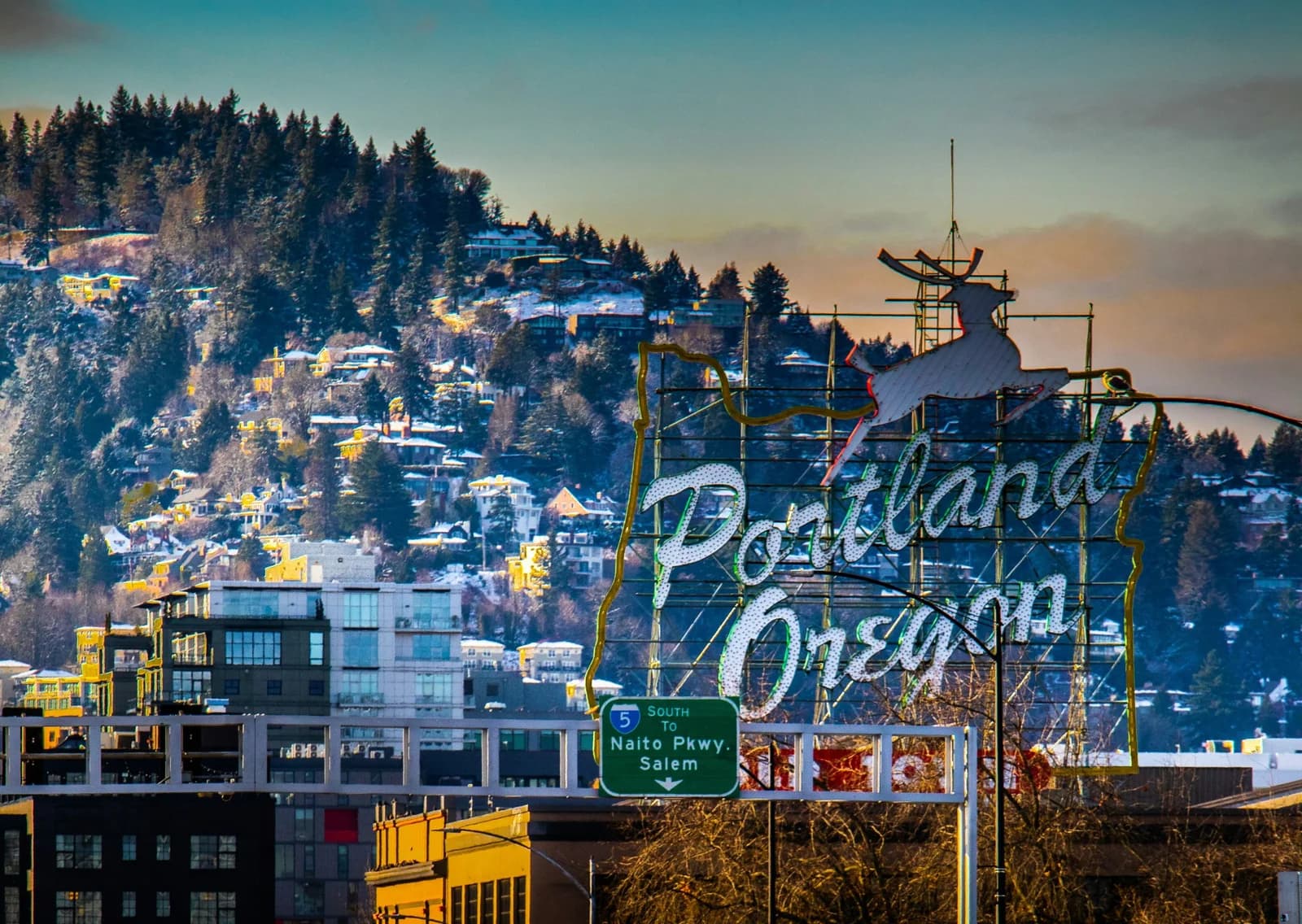
Portland is a strong logistics market because it sits at the junction of I-5 and I-84, has direct rail and marine connections, and serves as a regional distribution point for the Pacific Northwest. The market is also supported by a broad industrial base that includes manufacturing, food processing, logistics, commercial/retail activity, and technology-related operations.
For companies operating in this environment, pallet supply is not a background purchase. It directly affects dock flow, outbound readiness, storage efficiency, and waste control. In a market where freight moves between port facilities, industrial parks, and regional warehouses, a dependable pallet supplier Portland strategy helps keep operations stable while supporting sustainability goals.
Why Portland Warehousing Puts Pressure on Pallet Supply
Portland’s freight network includes marine cargo, rail access, trucking corridors, and regional industrial parks. The Port of Portland notes that its marine facilities have on-dock rail connections and are tied to rail and trucking investments that improve freight capacity, velocity, and safety through the Rivergate area and the surrounding region. That kind of network supports fast product movement, but it also means that pallets need to be consistently available and moved efficiently.
The warehouse market itself also supports this demand. Portland is widely recognized as an important regional hub for distribution and logistics, with industrial demand driven by manufacturing, warehousing, and regional freight movement.
For warehouse and operations managers, that usually translates into a few practical pressures:
- high pallet turnover
- tighter storage footprints
- frequent inbound and outbound handling
- more sensitivity to delays in delivery or pickup
That is why pallet supply in Portland needs to be reliable, not reactive.
Manufacturing and Industrial Operations Need Consistent Pallet Performance
The Portland region supports a wide range of industrial uses, including manufacturing, technical services, food processing, and logistics. Those sectors depend on pallets not just for shipping but also for staging, storage, internal movement, and outbound load building.
In these environments, pallet consistency matters because it affects:
- load stability
- forklift handling
- dock speed
- damage prevention
- replacement frequency
A strong pallet program for Portland manufacturing usually needs to balance two things at once: dependable supply and practical cost control. That often means combining high-quality recycled pallets for daily outbound work with more specialized pallets where load requirements demand it.
Retail and Distribution Networks Run on Speed
Portland’s location makes it useful for regional distribution, especially for companies serving Oregon, Washington, and parts of the inland Northwest. As regional freight networks grow, distribution and warehousing operations are expanding capacity and relying on predictable supply systems to keep product moving.
For retail and distribution facilities, pallet problems usually show up as scheduling problems:
- outbound loads are delayed
- labor waits on inventory
- yard space gets clogged
- emergency pallet orders raise cost
That is where a reliable pallet supplier Portland relationship creates value. The real benefit is not just delivering pallets. It is delivering them on a schedule that protects throughput.
Food and Beverage Operations Need Clean, Consistent Flow
Food and beverage facilities in and around Portland add another layer of operational pressure. Warehousing providers in the region actively serve food-related customers and emphasize compliance, contract warehousing, and distribution support.
For these operations, pallet supply needs to support:
- high-volume turns
- clean yard management
- fast pickup of scrap and empties
- consistent grades for safer handling
Because food distribution is usually fast-moving and space-sensitive, pallet programs work best when both delivery and removal are planned rather than handled ad hoc.
Port-Connected Freight Changes the Timing of Pallet Demand
Portland’s freight role is especially important for companies tied to marine and container activity. Oregon public media reported that Terminal 6 is the state’s only international container service, and port activity remains an important logistics resource for exporters and related warehouse operations.
That matters because import-heavy and export-linked operations often experience pallet demand in bursts:
- inbound containers need quick palletization
- outbound freight must meet cutoffs
- dock space fills quickly if used pallets are not removed
- recovery programs become more important as turnover rises
In these environments, pallets are part of freight timing. If they are not available when containers are unloaded or outbound freight is staged, the schedule slips.
Why Sustainable Pallet Supply Fits Portland Especially Well
Portland businesses often place a higher value on sustainability than many other freight markets, and the site and regional market context support that positioning. The local industrial mix includes sectors that are often sensitive to environmental performance, and the region’s logistics growth increasingly emphasizes predictability and efficient use of infrastructure.
For pallet supply, “sustainable” usually means practical actions like:
- using repaired and recycled wood pallets where appropriate
- picking up used pallets regularly
- separating repairable inventory from scrap
- reducing landfill disposal
- keeping pallets in circulation longer through recovery programs
That approach lowers disposal costs while reducing unnecessary demand for new pallets.
Pickup and Recovery Programs Matter as Much as Delivery
A good pallet supplier in Portland should support both sides of the flow:
- delivery of usable pallets
- pickup or recovery of used pallets
That is especially important in a market with active warehousing and limited operational space. When used pallets are not removed consistently, they create avoidable problems:
- blocked yard space
- slower forklift movement
- wasted labor
- inaccurate inventory counts
- more disposal expense
A recovery program helps convert used pallets into value instead of clutter.
Regional Freight Means Multi-Site Consistency Matters
Many businesses that use Portland as a logistics hub also serve nearby markets or operate across multiple facilities. Portland’s role as a regional hub means pallet programs often need to support:
- one main warehouse plus satellite locations
- distribution between Oregon and Washington
- mixed manufacturing and warehouse networks
- shared pallet specs across several sites
For those companies, a pallet supplier should do more than provide spot buys. The stronger model is a coordinated program with:
- consistent grades
- scheduled replenishment
- centralized visibility
- regular pickup and recycling support
That keeps one facility from overordering while another runs short.
What Strong Portland Pallet Support Looks Like
For most operations in this market, the most effective pallet program includes:
- dependable delivery windows
- recycled pallet availability for daily volume
- support for manufacturing, retail, food, and freight uses
- pickup and recovery services
- enough flexibility to handle port-related surges or regional spikes
In other words, a good Portland pallet program is not just about buying pallets. It is about keeping them moving in and out of the operation efficiently.
What This Means for Your Pallet Program
Portland’s freight and warehouse market rewards reliability. Between marine access, rail connectivity, industrial parks, and regional distribution routes, the city supports significant product movement across a relatively tight, operationally demanding network.
That is why pallet supply needs to do three things well:
- support outbound flow
- reduce waste and yard congestion
- stay consistent enough to prevent last-minute buying and handling problems
When those pieces are in place, pallet supply becomes part of a smoother warehouse system instead of another variable to manage.
Contact The Pallet Squad to build a Portland pallet program that supports sustainable recovery, reliable delivery, and day-to-day operational stability.